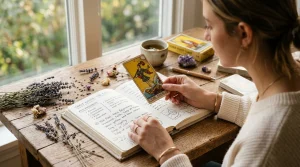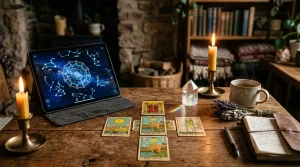
Have you ever wondered how Tarot cards, seemingly simple pieces of art, can offer profound insights into our lives? The idea that these cards can bridge the gap between our everyday struggles and deeper spiritual truths is both intriguing and deeply relatable. In this exploration, we dive into the science behind Tarot, shedding light on how these ancient tools work not only through intuition but also through psychological principles and energy awareness. Whether you’re a seasoned Tarot reader or a curious newcomer, understanding the mechanisms at play can enhance your readings and empower your intuitive abilities. Join us as we demystify Tarot, unlocking its potential and relevance in our journey toward self-discovery and personal growth. Your questions about this mystical practice will find answers here, guiding you toward a more confident and enriching experience with Tarot.
How Tarot Cards Can Connect with Your Intuition
The journey into the world of Tarot is not just about card layouts and interpretations; it’s a profound method for tapping into your own intuition. When you engage with Tarot cards, you’re essentially creating a dialogue with your inner self, connecting with thoughts and feelings that often lie beneath the surface of consciousness. This connection can illuminate choices, clarify the present, and reveal hidden influences in your life, making intuition not just a concept, but a tangible tool to navigate your reality.
To foster this connection, begin by creating a calm and inviting space for your readings. Minimize distractions, light a candle, or play soft music to set the mood. When you shuffle your cards, allow your thoughts to wander; consider your questions and feelings as energy that you’re infusing into the deck. This process primes your intuition to resonate with the symbols on the cards, creating a rich tapestry of meaning that reflects your inner landscape. Remember, there is no rush-take the time to truly feel the connection with the cards as you handle them.
Once you lay out your chosen Tarot spread, take a moment to observe your reactions. Do certain cards evoke specific emotions or memories? Let these feelings guide your interpretations. Each card is a mirror reflecting a part of your psyche; sometimes, the most profound insights come from the connections your intuition makes, rather than textbook meanings. For instance, if you draw the Two of Swords, rather than simply interpreting it as a choice or indecision, notice if it feels related to a current dilemma in your life. Trusting those instincts can deepen your understanding and enhance your future readings.
In practice, integrating simple techniques like journaling your readings can significantly enhance your intuitive skills. After each session, write down your thoughts on the cards and the insights that emerged. Over time, you’ll begin to notice patterns in your intuitive responses, empowering you to trust your inner voice more confidently. As you cultivate this relationship with your cards, you’ll find that what once felt mysterious becomes a source of clarity and guidance, a personal compass that serves you well on your journey of self-discovery.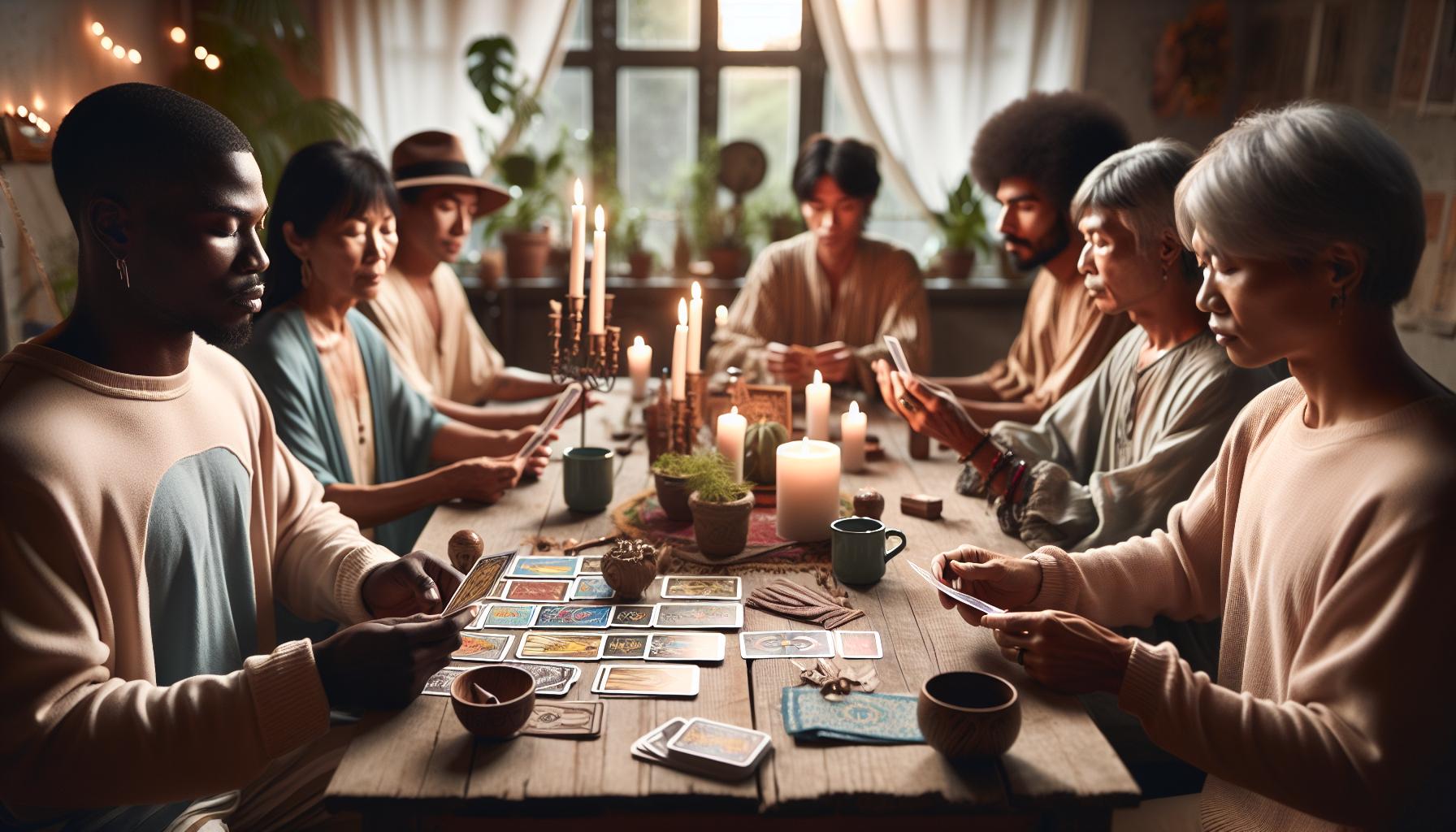
The Science Behind Tarot Cards: Myths and Facts
The concept of Tarot often evokes a mix of intrigue and skepticism, as many wonder how this ancient divination tool can provide insights into our lives. While skeptics may dismiss Tarot as mere fortune-telling, research suggests that its effectiveness can be attributed to psychological principles rather than supernatural powers. This perspective encourages a deeper understanding, allowing individuals to connect with Tarot on a personal level.
At its core, Tarot works by tapping into the subconscious through symbols and archetypes. The imagery and meanings of the cards resonate differently with each individual, prompting reflection and introspection. This process aligns with psychological theories such as the psychological projection, where a person externalizes their internal thoughts and feelings onto an external object-in this case, the Tarot cards. The act of interpreting the cards can bring clarity to complex emotions, making it an effective tool for personal development and self-discovery.
Moreover, the power of intuition plays a crucial role in Tarot readings. When individuals engage with Tarot, they often enter a meditative state conducive to heightened awareness. This heightened state can lead to realizations about self, providing an opportunity for insights that may not emerge in everyday life. The interaction with the cards becomes a dialogue between the conscious mind and the deeper layers of thought and emotion that influence behavior.
It’s also essential to recognize that the effectiveness of Tarot is not solely based on mystical beliefs but can be supported by tangible practices. For those interested in exploring Tarot responsibly, incorporating methods such as journaling, meditation, or even art can amplify the experience. Journaling after a reading can clarify intentions and track the evolution of thoughts and feelings over time, reinforcing the personal growth journey.
In summary, the science behind Tarot lies in its ability to serve as a reflective tool. It encourages a dynamic interplay of intuition, emotion, and personal insight, making it accessible to everyone-from the curious beginner to the skilled practitioner. Understanding these elements demystifies the process, allowing Tarot to be a bridge to deeper self-awareness and personal transformation, whether one approaches it from a skeptical or a spiritual viewpoint.
Understanding Tarot Card Meanings: A Beginner’s Guide
Understanding tarot card meanings is an essential step for anyone looking to explore this ancient practice. Each card in the tarot deck carries its own symbolism, imagery, and energy, acting as a mirror reflecting your thoughts and feelings back to you. This intuitive connection is what makes tarot a powerful tool for personal insight and growth.
To get started, familiarize yourself with the two main categories of tarot cards: the Major Arcana and the Minor Arcana. The Major Arcana, which includes 22 cards, represents significant life themes and spiritual lessons, while the Minor Arcana consists of 56 cards that delve into the more everyday experiences and influences within our lives. Each card has its own meaning, often derived from both its imagery and its position within a spread-a predetermined layout for reading the cards.
Getting to know the cards begins with studying their meanings. Here are some key interpretations for the Major Arcana:
- The Fool: New beginnings, adventure, and spontaneity.
- The Empress: Nurturing, abundance, and motherhood.
- The Tower: Sudden change, upheaval, and revelation.
For the Minor Arcana, focus on the four suits, each representing different areas of life: Cups (emotions and relationships), Wands (inspiration and action), Pentacles (material and financial aspects), and Swords (thoughts and conflicts). Within these suits, numbers play a crucial role in the card meanings. For instance, the Ace of Cups symbolizes the start of emotional fulfillment, while the Ten of Swords often indicates a painful ending or betrayal.
As you engage with the cards, it’s helpful to reflect on their meanings in relation to your life. For example, if you pull the Three of Wands during a career-focused reading, it could signify that your efforts are starting to take shape and that future opportunities are on the horizon. This personal connection enhances your intuitive capabilities and reinforces the idea that tarot is not merely a book of definitions but a dynamic conversation with your inner self.
Finally, practice is key. Begin with simple spreads, such as a one-card draw for daily guidance or a three-card spread to explore past, present, and future influences. As you grow more comfortable interpreting the cards and their meanings, you’ll likely find that your interpretations become more instinctual and personalized. Remember, tarot is about exploring possibilities and gaining insight-not dictating fixed outcomes. Each reading is a unique window into your own psyche, and understanding the cards is just the first step on this enlightening journey.
Different Tarot Spreads and Their Purposes
When diving into the world of tarot, understanding various spreads and their purposes is essential for harnessing the cards’ insights effectively. Each spread serves as a unique framework that guides the reader in exploring specific questions or themes. Whether you’re a novice or have some experience, knowing how to choose and interpret these layouts can transform your readings from general reflections to profound insights.
One of the simplest and most versatile spreads is the One-Card Spread. This layout allows for a focused reflection on daily guidance or a specific question. For example, if you pull the Ace of Pentacles, it may signify new opportunities in your career or finances. This spread is perfect for those just starting their tarot journey, as it encourages quick engagement with the cards and builds your confidence.
As you grow more comfortable, you might want to explore the Three-Card Spread, which is excellent for examining the past, present, and future. This spread offers depth, revealing how past experiences influence your current situation and potential outcomes. Suppose you draw the Two of Cups for the present; this could indicate a significant relationship flourishing now, encouraging you to evaluate your emotional connections.
For those looking for more complex insights, the Celtic Cross Spread is a classic choice. It’s ideal for comprehensive readings, as it provides a broad overview of a situation, including obstacles and future possibilities. Each position in the spread has a distinct meaning: for instance, the Position of the Present may show where you currently stand, while the Position of Hopes and Fears reveals your inner conflicts. Navigating this spread can deepen your understanding of intricate life situations, making it a favorite among seasoned readers.
Utilizing different tarot spreads not only diversifies your reading practice but also enhances your intuitive connection with the cards. Consider your personal interests and questions when choosing a spread, allowing your intuition to guide you in selecting the right layout for your needs. With practice, you’ll find that each spread provides a unique lens through which to explore your life’s journey. Embrace the process and enjoy the reflections that tarot offers!
How Energy and Intention Influence Tarot Readings
The experience of a tarot reading transcends the mere act of pulling cards; it’s deeply influenced by the reader’s energy and intention. This interplay shapes the interpretations and outcomes, creating a dynamic relationship between the cards and the reader’s intuitive abilities. When a reader approaches a session with a focused mindset, it establishes a clear channel for insights to emerge. Whether you’re a beginner or an advanced practitioner, understanding this influence can empower you to enhance your readings significantly.
Setting Your Intention
Intention acts as a guiding force in tarot. Before starting a reading, take a moment to define what you want to achieve. This could range from seeking clarity about a specific situation to exploring general life themes. By articulating your purpose, you align your energy with the reading, which facilitates a more profound connection with the cards. For instance, if you pull the Three of Swords while focusing on healing from a past heartache, the card will resonate differently than if you were merely seeking general advice. Setting a specific intention helps narrow the focus, ultimately leading to a more meaningful interpretation of the cards.
The Role of Energy
The energy surrounding a tarot reading can shift dramatically based on the emotional and mental state of the reader and the querent. If a reader feels grounded and positive, this energy can enhance the clarity of insights gained. Conversely, feelings of doubt or fear can cloud judgment. It’s beneficial to create a calming environment-this might include lighting candles, playing soft music, or burning incense-to promote a flow of positive energy. Consider taking a few deep breaths or practicing a brief grounding exercise before beginning a reading. This helps center your energy and prepares you to engage with the cards meaningfully.
Engaging with the Cards
As you shuffle and lay out the cards, visualize your intention intertwining with the energy you project. This can manifest in subtle ways; for example, you may notice a particular card that consistently draws your attention. This could indicate areas of focus within your question, acting as a signpost along your intuitive journey. Keep a journal of your readings to track how your energy and intentions relate to the insights you glean from each session. Over time, you’ll develop a deeper understanding of how your personal energy influences your interpretations.
By embracing the integral role of energy and intention in tarot, readers can cultivate a more enriching experience. This approach not only enhances accuracy in readings but also builds confidence in your ability to interpret the cards intuitively. As you explore this journey, remember that every reading is an opportunity for growth, both personally and spiritually.
The Role of Symbolism in Tarot Interpretation
The intricate symbolism found within tarot cards acts as a bridge between the conscious and subconscious mind, providing deeper insights into the querent’s life. Each card, with its unique images, colors, and themes, carries multiple layers of meaning that resonate differently depending on the context of the reading and the questions posed. For both beginners and seasoned readers, understanding and interpreting these symbols can enhance the clarity and depth of any tarot reading.
To start, consider the basic elements of a tarot card’s imagery. Common symbols-like the water in the Cups suit representing emotions, or the flames in the Wands representing creativity and action-serve as intuitive guides. Each symbol is a narrative in itself, often reflecting archetypal themes that can resonate universally. For instance, the presence of the Moon can symbolize intuition, dreams, and the unknown, while the Sun typically represents enlightenment, joy, and success. When reading, take a moment to explore not just the primary symbols but also the smaller details on the cards. They can offer subtle hints that are key to understanding the full picture of the reading.
Connecting Symbols to Personal Experience
Personal connection to symbols enhances their interpretative power. As you engage with a card, ask yourself what the imagery evokes in you. For example, if you pull the Five of Pentacles, depicting struggle and isolation, you may reflect on times in your life when you’ve faced hardship. This connection can profoundly influence your reading, transforming a card from a mere symbol into a mirror reflecting your experiences and emotions. Keeping a tarot journal can be a useful practice here; document each card’s symbolism as it relates to your life and emotional state, fostering a deeper understanding over time.
Symbolism Through Context
The meaning of symbols often shifts based on their position within a spread and the surrounding cards. In a spread focused on relationships, the appearance of the Two of Cups, symbolizing partnership and emotional balance, may suggest harmony, while the Five of Swords, standing for conflict, could indicate tension or misunderstandings. Thus, context is crucial. When reading, always consider how a card interacts with those next to it, weaving together a more intricate narrative.
By harnessing the power of symbolism in tarot interpretation, you can unlock a richer understanding of the cards, guiding your intuition and providing direction in your readings. Remember, as you deepen your connection to these symbols, the insights gained can lead not only to clarity about the current situation but also promote personal growth and self-awareness. Tarot is not just about predicting the future; it’s about understanding the layers of life and stepping forward with confidence.
Using Tarot for Personal Growth and Reflection
Tarot cards serve as a powerful tool for personal growth and self-reflection, bridging our inner thoughts and feelings with external insights. When utilized thoughtfully, they can guide us toward understanding and transformation, illuminating pathways to our inner wisdom. Engaging with tarot allows us to delve into our personal narratives, uncovering lessons that can influence our choices and actions.
To begin using tarot for self-discovery, start with a simple daily or weekly card pull. Draw one card from the deck, focusing on a specific area of your life-be it relationships, career, or self-awareness. Ask yourself what this card reveals about your current feelings or challenges. For instance, pulling the Four of Swords may suggest a need for rest and introspection, prompting you to evaluate how you are caring for your well-being. Reflect on this connection and consider practical steps you can take based on the card’s message.
It’s beneficial to keep a tarot journal where you document each card reading along with your reflections. This practice not only helps track your emotional evolution but also strengthens your intuition. Over time, patterns may emerge, revealing deeper insights into your behaviors and tendencies. When you look back on your entries, you’ll often notice how the cards reflected your journey-highlighting moments of growth, shifts in perspective, or unresolved challenges.
Engaging with the symbolism within the cards can also deepen your self-reflection. Each card can symbolize different aspects of life experiences; for example, the Wheel of Fortune suggests the cycles of fate and change. As you reflect on your current life circumstances, consider how the themes of the card resonate with your experiences. This encourages a dialogue between your conscious and subconscious mind, revealing aspects of yourself that may require attention or development.
By approaching tarot with an open heart and mind, you create a safe space for exploration and growth. Whether you are a seasoned reader or just starting out, embracing tarot as a reflective practice can lead to profound insights and personal empowerment. It invites you to engage with the self in a holistic manner, aligning your actions with your inner truths and aspirations. Tarot is not merely a tool for divination; it is a mirror that reflects our potential and encourages us to step boldly into our path of growth.
Exploring the Psychology of Tarot Cards
Exploring the relationship between tarot cards and psychological principles opens up a fascinating dialogue about how we interpret symbols and personal experiences. At its core, tarot is not merely about predicting the future; rather, it’s a mirror reflecting our subconscious thoughts and emotions. When we engage with tarot, particularly through thoughtful readings, we can tap into our intuition, drawing on personal insights that may not be immediately apparent in our daily lives.
A key aspect to consider is how tarot readings facilitate introspection. Each card represents different themes and archetypes, inviting us to reflect on our current situations. For instance, drawing the Two of Swords might prompt questions about conflict or indecision in one’s life, suggesting a need to weigh options carefully. By contemplating these themes, individuals can gain a deeper understanding of their thoughts and feelings, fostering personal growth.
Furthermore, tarot’s psychological impact can be amplified through the practice of keeping a tarot journal. Writing down readings encourages users to articulate their thoughts, elevating their understanding of individual cards and how they relate to personal narratives. Over time, this reflective practice can reveal recurring patterns and themes, enriching our psychological insights and shaping decisions.
In essence, engaging with tarot serves as a tool for self-discovery and psychological exploration. By viewing tarot as a catalyst for introspection rather than just divination, readers can cultivate a more profound relationship with their intuition, making space for personal empowerment and thoughtful decision-making. This approach not only respects the mystical aspects of tarot but also acknowledges its accessibility to everyone, regardless of their background or beliefs. Through mindful engagement with tarot, one can foster resilience and understanding, turning each reading into an opportunity for growth.
Real-Life Examples of Tarot in Action
Many people wonder what real-world applications tarot cards have beyond the mystique often portrayed in popular culture. One fascinating aspect is how individuals use tarot for personal insights and guidance in various situations. Through real-life examples, we can see the practical efficacy of tarot as a tool for reflection and decision-making.
Consider the story of Emma, a young professional feeling overwhelmed by her career choices. She decided to explore a three-card spread, where she asked about her current job, potential opportunities, and the outcome if she chose to make a significant change. The cards drawn were the Eight of Cups (signifying withdrawal or searching for deeper meaning), the Page of Wands (indicating new opportunities and potential), and the Ten of Pentacles (expressing long-term success and stability). Reflecting on these interpretations encouraged Emma to consider not just her immediate job but what she truly valued in her career. This introspection helped her draft a plan for exploring new opportunities that aligned better with her personal goals, illustrating how tarot can effectively serve as a catalyst for meaningful personal change.
Another example comes from Leo, who used tarot to navigate a tumultuous relationship. He opted for a Celtic Cross spread, focusing on understanding the dynamics at play. Key cards like the Two of Cups (often symbolizing partnership) and the Seven of Swords (representing deception or betrayal) highlighted both the potential for reconciliation and the underlying issues that needed addressing. By reflecting on this reading, Leo was able to communicate more openly with his partner, addressing concerns while fostering a deeper connection. This scenario shows that tarot is not only about uncovering what lies ahead but also about providing clarity to current situations.
For newcomers to tarot, starting with simple one-card draws can be immensely rewarding. This practice allows users to focus their energy and attention on a single question, drawing connections between the card and their daily experiences. For instance, if someone draws the Sun, they might interpret it as a sign to embrace joy and positivity that day, prompting mindful choices that resonate with those feelings.
By examining these real-life instances, we recognize that tarot can bridge the gap between intuition and action. It encourages self-discovery and helps individuals craft narratives that lead to personal empowerment and thoughtful decision-making. Remember, the value of tarot lies not solely in predicting the future but in facilitating profound insights that resonate with our unique journeys. This approach demystifies tarot while making it more accessible and relevant to everyday life.
Integrating Tarot with Other Spiritual Practices
Incorporating tarot into your existing spiritual practices can create a rich tapestry of insight and personal connection. Many individuals find that tarot complements various modalities, enhancing their understanding and intuitive abilities. Whether you meditate, practice yoga, or engage in energy work, tarot can serve as a powerful tool to deepen these practices and provide clarity.
For those who meditate, incorporating a tarot reading before or after your session can be beneficial. Here’s how to do it:
- Set Your Intention: Before you begin your meditation, draw one or more tarot cards reflecting on what you seek to understand or enhance in your life.
- Interpret the Cards: Spend a moment with the card’s imagery and meaning. For instance, drawing the High Priestess might prompt a meditation focused on inner wisdom and intuition.
- Meditate: Allow the card’s energy to guide your meditation, focusing on the themes and symbols you uncovered.
- Reflect: After your session, journal about any insights that emerged during meditation relating to your drawn cards.
Engaging in this practice can lead to profound revelations that may inform your spiritual journey, connecting you more deeply to your own intuition.
Yoga practitioners can also benefit from integrating tarot into their practice. Consider drawing a card that resonates with the theme of your session-such as a card representing balance for a yoga flow focused on grounding. Here’s a simple approach:
- Select a Card: Before your session, choose a card that speaks to you or the intentions of your practice. The Temperance card, for example, symbolizes harmony.
- Flow with Intention: As you move through your asanas, visualize embodying the qualities of that card. Notice how the theme of the card influences your energy and focus.
- Close with Reflection: End your practice with a few minutes of quiet, contemplating how the card’s energy can be integrated into your daily life.
Exploring tarot alongside other spiritual practices offers a holistic way to understand your experiences. This synergy not only enhances intuition but also fosters a deeper connection to the universe’s mysteries. The integration allows you to gather insights from various angles, ultimately enriching your spiritual journey.
Engaging with tarot in conjunction with your spiritual practices is a nurturing process that benefits both beginners and advanced practitioners. It encourages you to develop your emotional and intuitive skills and view your spiritual path through a multifaceted lens. As you become more comfortable with this integration, you may find that learning and growth become a daily, enriching experience.
Skeptics vs. Believers: Finding Common Ground in Tarot
In the world of tarot, a fascinating dynamic exists between skeptics and believers. While some view tarot as a mystical tool for insight and guidance, others approach it with doubt, questioning its validity and effectiveness. This intersection of belief and skepticism offers a unique opportunity for meaningful discussions and mutual understanding, allowing individuals from both perspectives to explore what tarot can offer.
Understanding tarot requires an open mind. For those who are skeptical, consider approaching a tarot reading with a curiosity-driven mindset rather than outright dismissal. You might be surprised by how the cards can reflect your thoughts and feelings. For believers, reinforcing your perspective with a foundation of personal experience can help bridge the gap. For instance, you might draw the Two of Swords during a reading about a difficult decision, prompting reflection on the conflicting emotions at play. This type of experience can validate the effectiveness of tarot, even for a skeptic.
Strategies for Finding Common Ground
- Engage in Dialogue: Open conversations about tarot that respect both perspectives. Ask questions that allow skeptics to express their reservations while sharing personal experiences as a believer.
- Focus on Psychological Insight: Many skeptics appreciate the psychological benefits of tarot, like how it can serve as a reflective tool. Discussing tarot’s potential to promote self-awareness can resonate with those skeptical of its mystical claims.
- Recommend a Guided Experience: Invite skeptics to join a tarot session where they can observe or participate. Experiencing a reading firsthand can demystify the process and allow them to draw their own conclusions.
By creating an environment that welcomes inquiry, we can honor the diverse beliefs surrounding tarot. Each perspective enhances its interpretation, offering a richer understanding of how tarot works, not only as a means of divination but also as a powerful tool for personal growth and reflection. Ultimately, the conversation between skeptics and believers can foster a deeper appreciation for the complexities of tarot, highlighting that it may be less about belief and more about the insights gained through the process.
How to Use Tarot Cards Responsibly and Mindfully
Using tarot cards responsibly and mindfully is essential for both your own growth and for those you may read for. Tarot serves as a powerful tool for reflection, insight, and guidance, but it can also evoke strong emotions and provoke deep contemplation. To ensure that your practice remains positive and constructive, consider these key principles that you can integrate into your tarot sessions.
Firstly, set your intentions clearly before each reading. Whether you are seeking insight about a specific issue or looking for general guidance, knowing your purpose helps focus your energies. For instance, if you’re curious about your career path, state your intention: “I seek clarity and guidance regarding my professional journey.” This conscious framing allows the symbols in the tarot to resonate more deeply with your inquiry.
It’s also important to maintain a respectful approach to the insights gained through tarot. Acknowledge that the cards can reflect your inner truths rather than dictate your future. For example, if you draw the Tower, which traditionally symbolizes upheaval, consider it an invitation to explore areas in your life that might need your attention, rather than a forewarning of disaster. This shift in perspective can empower you to take proactive steps, transforming fear into opportunity.
Additionally, practice ethical considerations when reading for others. Ensure that you have their permission and that they are in a reflective mindset for a tarot session. Respect privacy and the sensitive nature of the topics that might arise. Offer guidance, but refrain from making definitive predictions that could mislead or create undue anxiety. Instead, encourage your querent to interpret the cards alongside your insights, fostering their own intuition and understanding.
As you engage with the cards, cultivate a sense of mindfulness. This means being present in the moment, embracing each card’s imagery and symbols without rushing through the reading. When you draw a card, take a moment to breathe deeply, observe its details, and meditate on its meaning. This practice aids in connecting you more deeply to both the tarot and your intuition, enhancing the overall experience.
Ultimately, using tarot cards can be a fulfilling and enriching practice when approached with mindfulness and responsibility. By setting intentions, respecting the insights gained, practicing ethically, and maintaining mindfulness during readings, you not only honor the tarot but also nurture your personal growth and the well-being of those around you.
Frequently asked questions
Q: How does intuition play a role in tarot readings?
A: Intuition is crucial in tarot readings. It allows readers to interpret card meanings beyond their traditional definitions. By connecting deeply with their instincts, readers can access personal insights and guide querents effectively. Practicing mindfulness can enhance intuitive skills, making the reading experience richer and more personal.
Q: What scientific studies have been done on the effectiveness of tarot cards?
A: While there is limited scientific research specifically on tarot cards, some studies explore belief systems and their impact on psychological well-being. The effectiveness often lies in how individuals perceive and engage with tarot, suggesting a psychological rather than paranormal basis. Understanding these aspects can enhance the reading experience.
Q: Can tarot cards predict the future, or do they focus on the present?
A: Tarot cards primarily focus on the present moment and the energies involved. They offer insights into current situations, helping individuals understand potential outcomes based on their choices. While some believe they can provide glimpses into the future, the emphasis is on personal empowerment and decision-making in the now.
Q: How can I choose the right tarot deck for myself?
A: Choosing the right tarot deck involves personal resonance. Consider themes, artwork, and symbolism that speak to you. Visiting a store to physically handle different decks can help you connect. Exploring various designs can lead you to one that enhances your reading experience.
Q: What should beginners know before their first tarot reading?
A: Beginners should start with a basic understanding of card meanings and spreads. It’s also essential to create a calm reading environment and approach the cards with an open mind. Practicing regularly will build confidence and deepen connections with the cards over time.
Q: How do different tarot spreads affect the reading outcome?
A: Different tarot spreads are designed for various purposes, affecting the reading outcome significantly. For instance, a three-card spread can isolate key aspects of a situation, while a Celtic Cross provides a comprehensive overview. Choosing the right spread ensures clarity and focused insights on specific questions.
Q: How can I tell if my tarot reading is accurate?
A: The accuracy of a tarot reading can be gauged by how relevant and resonant the insights feel to you. Reflect on the guidance provided and assess its applicability in your life. Trusting your feelings about the reading is crucial for validating its effectiveness.
Q: What role does symbolism play in interpreting tarot cards?
A: Symbolism is fundamental in tarot card interpretation. Each card contains rich imagery and symbols that evoke emotions and insights. Understanding these symbols allows for deeper meanings, making readings more powerful and reflective of the querent’s situation. Engaging with these symbols can enhance interpretation skills.
The Conclusion
Now that you’ve explored the fascinating interplay between tarot and science, consider diving deeper into your own intuitive journey. Why not try a free 3-Card Tarot Reading to gain unique insights into your personal questions? It’s a simple way to apply what you’ve learned and see the cards in action. These insights can help clarify your next steps, whether in relationships, career, or daily life.
If you’re curious about practical applications, check out our guide on the 3-Card Tarot Career Reading for targeted advice on your professional path. Remember, the magic of tarot isn’t just in the cards, but in how you use them to reflect your inner wisdom and insights.
We invite you to share your thoughts and experiences in the comments below or explore more resources on our site. Join our newsletter for ongoing updates and insights that will enhance your tarot practice. Embrace the journey-your intuition is waiting to be uncovered!
Get our latest guides, news, and insights highlighted in your Google Search & AI Overviews.