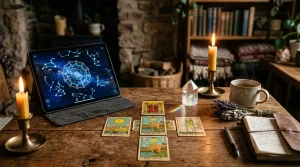
Tarot cards have fascinated people for centuries, serving as a powerful tool for insight, guidance, and reflection. But how do they really work? Understanding the essence of tarot readings can empower you to tap into your own intuition and navigate life’s complexities. Whether you’re a skeptic searching for answers or a believer seeking deeper insights, this exploration reveals the mechanics behind tarot-transforming cards into mirrors of your inner landscape.
In a world full of uncertainties, tarot offers a unique way to confront questions, whether they’re about your career, relationships, or personal growth. It can be a comforting process, illuminating paths and choices you might not have considered. By demystifying the reading process, we invite you to embrace the magic while also recognizing the practical techniques behind each spread and card interpretation. Discover how these ancient symbols can connect you to your true self and inspire confidence in your decision-making. Join us on this journey to uncover the truth behind tarot readings and unlock your intuitive potential.
How Tarot Cards Are Used in Readings
When engaging in a Tarot reading, the cards serve as a springboard for intuitive interpretation and self-reflection. Each card carries a wealth of symbolism and meaning, allowing practitioners to uncover insights about personal situations, relationships, and decisions. Although many people associate Tarot with fortune-telling, its primary function is to illuminate the inner workings of the mind and spirit, facilitating personal growth and understanding.
In a typical reading, individuals may shuffle the deck while concentrating on a particular question or area of life they seek to explore. After drawing the cards, the reader interprets their meanings based on their positions, relationships, and the context of the question. Each card can represent various elements, such as past influences, current challenges, or future possibilities. This layered approach allows for a nuanced reading that can resonate deeply with the querent (the person seeking guidance).
Another distinctive feature of Tarot readings is their versatility in spreads, which are specific arrangements of cards designed to reflect different aspects of the querent’s life. One popular spread is the three-card layout, often used to explore a situation’s past, present, and future. Alternatively, specific spreads can delve into relationships or career paths, each tailored to provide bespoke insights. As practitioners gain experience, they learn to blend traditional meanings with their intuitive impressions, crafting readings that feel both personal and profound.
Ultimately, the power of Tarot lies not just in the cards themselves, but in the intimate dialogue they foster between the reader and the querent. For both beginners and seasoned readers, keeping an open heart and mind is crucial. Embrace the mystery of the cards, trust your intuitive ability, and allow the reading to unfold naturally, guiding you on a path of discovery and self-awareness.
The Psychology Behind Tarot Interpretations

The human mind is a complex tapestry of thoughts, emotions, and subconscious signals, making each Tarot reading an exploration of personal narrative and psychological insights. When interpreting Tarot cards, the reader taps into this rich landscape, fostering a unique dialogue between the querent and their own inner wisdom. This engagement with the cards often reveals underlying beliefs, fears, and desires that the querent may not consciously recognize, facilitating self-discovery and clarity.
In Tarot, each card’s imagery and symbolism can evoke specific emotions and thoughts, activating the reader’s intuitive faculties. For instance, drawing the *Tower* card may elicit feelings of upheaval or transformation, prompting discussions about areas in life where the querent feels shaken. This reflective process can help individuals confront uncomfortable truths or reconsider their current paths. Here’s how different psychological concepts play into reading Tarot:
- Cognitive Dissonance: Engaging with challenging cards often creates a sense of conflict within the querent, illuminating discrepancies between their current reality and desired outcomes. This prompts deeper reflection and the potential for change.
- Projection: The querent may project their emotions and experiences onto the cards, interpreting messages that resonate personally. This subjective approach allows for transformative lessons tailored to individual circumstances.
- Symbolic Interpretation: Tarot’s rich symbolism can trigger associations and insights, enabling the querent to connect their immediate struggles to broader life themes, effectively altering their mindset.
The presence of a skilled reader is crucial. They serve as a facilitator, helping clients navigate the often murky waters of their subconscious while providing a safe, non-judgmental space for exploration. By employing active listening and empathetic advice, readers can help unpack the significance of the cards drawn, thus empowering querents to reframe their situations.
Real-life examples highlight these psychological dynamics: a querent who constantly draws cards associated with loss or isolation might uncover patterns of self-sabotage linked to past traumas, while another who sees cards of collaboration might recognize a need to seek support and connection. These moments of clarity can inspire action and foster personal growth, illustrating how Tarot serves as a mirror reflecting not just the present but also the potential for transformation.
Ultimately, understanding deepens the reading experience, bridging the gap between the mystical and the psychological, and encouraging querents to embrace their journeys with open hearts and minds.
Different Types of Tarot Decks Explained
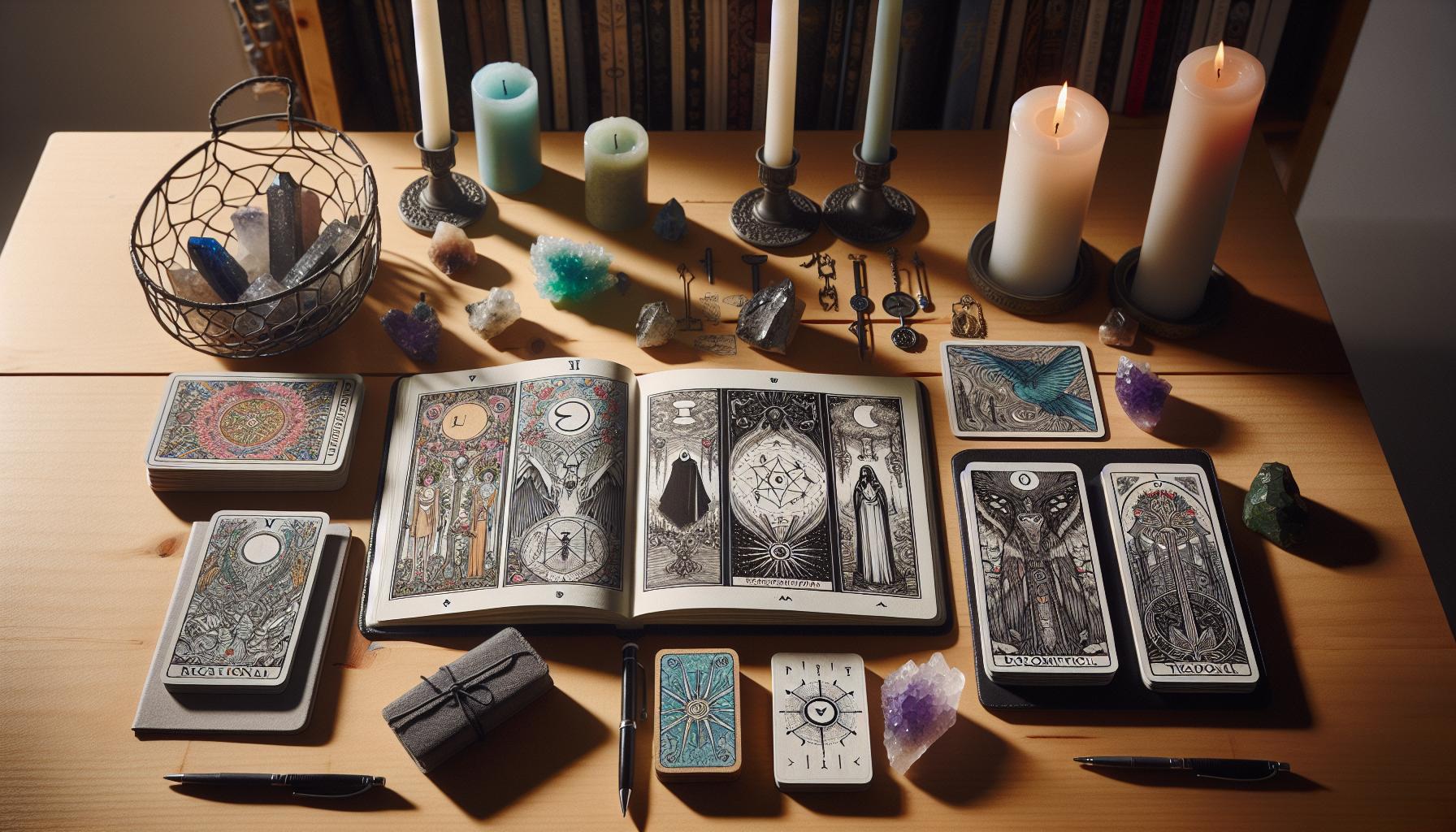
Tarot decks come in a rich tapestry of styles, each designed to resonate with different energies, themes, and personal preferences. Whether you’re a beginner exploring the world of Tarot or an experienced reader looking for something new, understanding the types of decks available can enhance your readings and provide deeper insights. The traditional Rider-Waite-Smith deck, for instance, is beloved for its vivid imagery and straightforward symbolism, making it an ideal choice for newcomers. It features 78 cards divided into the Major and Minor Arcana, with each card offering a specific narrative and set of meanings.
Other popular decks include the Thoth Tarot, which, created by Aleister Crowley, emphasizes a more esoteric and complex interpretation, appealing to those familiar with Kabbalistic and astrological principles. The imagery in this deck is intricate and often abstract, making it better suited for advanced readers who wish to dive deeper into the mystical aspects of Tarot.
For those seeking a more modern twist, many contemporary decks incorporate unique themes. The Wild Unknown Tarot, for example, showcases beautiful hand-drawn artwork that connects the reader with nature and intuition, while the Modern Witch Tarot uses diverse representation and playful imagery to reshape traditional narratives. This variety not only allows readers to choose a deck that aligns with their aesthetic preferences but also one that resonates with their life experiences and spiritual beliefs.
Choosing the right deck is a deeply personal journey. To find your perfect match, consider what themes or symbols you feel drawn to, and don’t hesitate to explore different decks physically if you can. A deck that speaks to you can significantly enhance your intuitive connection during readings. Remember, Tarot is a tool for self-reflection and exploration, and the most effective deck is always one that you connect with on a personal level.
Common Tarot Card Spreads and Their Purposes
Understanding how to effectively utilize tarot card spreads can significantly enhance the power of your readings. Each spread is designed with a specific purpose in mind, guiding the reader to explore various facets of a question or situation with clarity and depth. By selecting the right spread, readers can uncover layers of meaning and connection that inform their lives.
One of the most popular spreads is the Three-Card Spread, which can be used to explore the past, present, and future of a situation. This simple yet effective spread allows for quick insights. For example, if someone asks about their career path, the first card might reveal past influences, the second indicates current opportunities, and the third suggests future developments. A reader could draw the Two of Pentacles for the present, reflecting balance and adaptability, which could suggest that juggling various responsibilities is a current theme in their job.
Classic Spreads with Distinct Purposes
Several classical spreads have stood the test of time, including the Celtic Cross, which provides a comprehensive overview of a situation by examining multiple aspects. This 10-card spread addresses the questioner’s current situation, obstacles, influences, and potential outcomes. For example, if a client is uncertain about a relationship, this spread can dive deep into both personal feelings and external factors influencing the partnership, often revealing insights that might not be immediately obvious.
Another commonly used spread is the Relationship Spread, typically composed of cards that represent both individuals within a relationship, as well as the relationship itself. For instance, drawing the Lovers card for one partner and the Eight of Cups for the other may indicate a powerful connection overshadowed by one partner’s desire to seek something more fulfilling. This spread centers on mutual dynamics and provides valuable insights into the state of the relational bond.
Inviting Intuition and Adaptability
It’s essential to remember that the beauty of tarot lies in its flexibility. Readers often adapt existing spreads or create entirely new ones based on their intuitive insights or the specific needs of a querent. For instance, a reader might modify a spread to focus more on career aspects by adding additional cards that delve into career choices, challenges, and pathways for growth.
Ultimately, the right spread will resonate with the questions being asked and the themes at play in the querent’s life. With practice, readers can enhance their intuition and deepen their understanding of the cards, making each reading a unique journey of discovery and guidance. Embrace the diversity of tarot spreads, and allow them to illuminate your path toward greater understanding and clarity.
The Role of Intuition in Tarot Readings
In the mystical realm of tarot readings, intuition plays a pivotal role that extends beyond mere card interpretations. It serves as a bridge between the reader and the querent, offering insights that often go unspoken. Intuition is not just about gut feelings; it’s an internal guidance system that can reveal deeper meanings within the cards that are not explicitly stated. By honing this intuitive sense, readers can create a more profound and personalized experience during the reading.
When approaching a reading, consider setting the stage for intuitive exploration. Begin by grounding yourself and connecting with the querent. A brief meditation or a few deep breaths can help clear your mind and open your heart. As you shuffle the cards, allow your thoughts to settle; this is the moment to invite intuitive messages to arise. For instance, if you draw the Three of Swords, while the traditional interpretation speaks of heartbreak or disappointment, your intuition may reveal a message about healing and future relationships. This unique insight can spark relevant dialogue with the querent, creating a richer understanding of their situation.
Nurturing Intuition Through Practice
Building your intuitive skills requires practice and openness. Here are some practical tips to enhance your intuitive connection during readings:
- Journaling: After each reading, note any intuitive hits you received, even if they didn’t seem to match the card’s traditional meaning. Over time, you’ll start to recognize patterns in your insights.
- Daily Draws: Pull a card each morning and reflect on what it means to you personally, beyond the generic definitions. This strengthens your ability to read the energy of the cards intuitively.
- Seek Feedback: Discuss your intuitive interpretations with trusted friends or fellow readers. Their perspectives can shed light on the validity of your insights and help you refine your intuitive voice.
As you become more confident in your intuition, it’s essential to stay grounded in reality. Balance intuitive insights with the symbolism of the cards and the context provided by the querent. For example, if you feel a strong emphasis on the Chariot (representing movement and determination), but the querent mentions feeling stuck, explore that discrepancy. Your intuition might guide a conversation about overcoming obstacles or finding motivation.
Ultimately, developing intuition in tarot readings is a journey of self-discovery. Embrace the mystery, trust your instincts, and invite the querent to share their thoughts and feelings. This collaborative approach not only enhances the reading experience but also fosters a deeper connection, making the art of tarot a truly engaging dialogue that can facilitate personal growth and insight for both reader and querent alike.
Debunking Myths About Tarot Cards
Many hold deep misconceptions about tarot cards, often viewing them as mystical tools of fortune-telling or, conversely, as harmless parlor games. Yet, tarot can be a profound method for self-reflection and guidance, providing insights that resonate with our personal journeys. One of the primary myths is that tarot can predict the future with certainty. In reality, tarot offers probabilities and possibilities based on current energies and circumstances. It serves more as a mirror reflecting the querent’s inner thoughts and feelings, rather than a crystal ball revealing a fixed destiny.
Another prevalent myth is that tarot is solely for the superstitious or those seeking to communicate with spirits. This perception can alienate potential users who might benefit from tarot’s introspective qualities. In actuality, anyone can use tarot, irrespective of their spiritual beliefs. It encourages personal exploration and can be an effective tool for anyone looking to gain clarity on life’s challenges. The cards function as prompts for deep questions-encouraging users to tap into their intuition and emotional understanding.
One common concern is the belief that tarot readings should always yield successfully accurate results. It’s crucial to understand that, like any form of guidance, tarot readings can vary significantly based on the reader’s experience, the querent’s openness, and the context of the questions asked. Misinterpretations can arise, but they offer opportunities for learning and growth. Thus, it’s beneficial for both readers and querents to approach tarot with an open mind, viewing it as a tool for exploration rather than a definitive answer.
Creating a welcoming atmosphere for tarot readings can also dispel myths about fear or negativity surrounding the cards. For example, if a reader draws the Death card, it is often mistakenly taken as a sign of impending doom. Yet, this card generally signifies transformation and the end of a particular cycle, encouraging new beginnings. Understanding the symbolism behind each card fosters a healthier, more constructive dialogue during readings, allowing individuals to embrace change, healing, and growth.
In conclusion, tarot is not a rigid set of rules but a flexible system that invites interpretation and personal connection. Recognizing these myths allows more individuals to experience the empowering insights tarot can offer, promoting a broader appreciation for this ancient practice. Whether one approaches it through skepticism or belief, tarot can spark a journey of personal exploration, understanding, and emotional development.
Understanding the Symbolism of Major Arcana
The Major Arcana cards are the heart and soul of the tarot deck, each one teeming with rich symbolism and layered meanings that provide profound insights into our personal journeys. Unlike the Minor Arcana, which reflect everyday experiences, the Major Arcana cards delve into life’s most significant themes and spiritual lessons. Understanding these cards can deepen your readings and enhance your intuitive connection to the messages they convey.
The Major Arcana consists of 22 cards, each representing a key archetype or a critical stage in the human experience. Here are a few essential cards and their commonly accepted interpretations:
- The Fool (0): Symbolizing new beginnings and spontaneity, The Fool encourages you to embrace the unknown and step into new adventures with an open heart.
- The Magician (I): This card represents manifestation and resourcefulness. It teaches you to harness your skills and utilize available resources to realize your goals.
- The High Priestess (II): Associated with intuition and the subconscious, The High Priestess reminds you to trust your inner voice and seek knowledge beyond the surface.
- The Hanged Man (XII): Emphasizing the importance of surrender and shifting perspectives, this card invites you to pause and reconsider your approach to a situation.
- The World (XXI): Representing completion and fulfillment, The World signifies the successful conclusion of a cycle, prompting reflection on achievements and new journeys ahead.
When interpreting these cards, it’s essential to consider not just their individual meanings but also their relational dynamics within readings. For example, if The Fool appears alongside The Magician, it may suggest that taking a leap of faith toward a new venture will be supported by your skills and resources. Alternatively, if The Hanged Man is drawn, it may indicate that patience and a change of viewpoint are necessary before pursuing the fulfillment indicated by The World.
Engaging with the symbolism of the Major Arcana offers profound opportunities for introspection. Consider keeping a tarot journal where you document your interpretations and feelings about each card as you draw them in readings. This practice not only bolsters your understanding but also nurtures your intuition, paving the way for more enriched readings in the future.
By recognizing the archetypal narratives these cards present, you can invite greater clarity and depth into your tarot practice. Each card serves as a mirror reflecting your inner truths, influencing your journey and decision-making. Remember, the wisdom of the Major Arcana is accessible to everyone; the more you explore it, the more you empower yourself to tap into its transformative potential.
Practical Tips for Beginners in Tarot
Starting your journey with tarot can feel daunting, but it’s also an exciting opening into self-discovery and intuition. Remember, every seasoned reader once stood in your shoes, and the key is to embrace your curiosity while developing your skills step by step. Here are some practical tips to help you navigate your tarot practice with confidence.
Choose the Right Deck
Your connection with a tarot deck is personal. Explore different styles and themes to find one that resonates with you. Whether it’s a traditional Rider-Waite-Smith deck or an artistic interpretation, pick one that feels inviting. As you shuffle the cards, notice how they make you feel-your intuition can guide you to the right choice.
Start with a Journal
Keeping a tarot journal is invaluable. Document every reading, noting your card interpretations, feelings, and insights. This will not only deepen your understanding but also track your growth. Over time, you’ll identify patterns and learn how to connect the cards to your life experiences. For instance, if The Lovers card appears frequently, it might highlight ongoing themes in your relationships that are worth exploring.
Practice Simple Spreads
Begin with straightforward spreads to build your confidence. The three-card spread is perfect for beginners: it can represent the past, present, and future or issues, action, and outcome. As you become comfortable, you can explore more complex layouts. Each reading is a chance to refine your interpretations and enhance your intuition-embrace the learning process!
Trust Your Intuition
The magic of tarot lies in its ability to tap into your inner voice. While card meanings are essential, your unique intuition adds another layer to your readings. Allow your feelings and thoughts during a reading to guide you, even if they diverge from traditional interpretations. For example, if a card typically signifies conflict but evokes a sense of peace for you, honor that insight.
By exploring tarot with openness and curiosity, you’ll find it becomes a meaningful tool for personal growth and reflection. Keep these tips close as you embark on your journey, and remember that tarot is as much about the questions you ask as it is about the cards you draw. The universe is waiting to reveal its secrets, and you hold the key!
Advanced Techniques for Experienced Readers
The world of tarot offers countless avenues for growth and deeper understanding, particularly for those who have already established their foundation. As you advance in your tarot journey, integrating different techniques can enhance both your readings and your connection to the cards. Advanced readers often find that embracing a combination of intuition, symbolism, and personal narrative can unlock profound insights.
Exploring Complex Spreads
Diving into more intricate spreads allows you to uncover layers of meaning in your readings. Instead of relying solely on the classic three-card spread, consider using layouts like the Celtic Cross or the Tree of Life, which offer multiple facets of the issue at hand. Each position in these spreads has a specific meaning, guiding you to interpret the interplay between the cards. For example, in the Celtic Cross, the “Obstacle” position may reveal hidden challenges, while the “Outcome” position clarifies potential paths forward.
Symbolic Layering and Numerology
As you become familiar with the symbolism of the tarot, try layering these meanings to enrich your readings further. For instance, when pulling the Four of Swords, consider not just its representation of rest but also its connection to the number four, which often symbolizes stability and structure. You could explore how this card’s placement alongside major arcana cards affects its meaning. Additionally, integrating elements of numerology into your spreads can provide additional depths; for example, two cards that add up to the number seven may suggest a need for introspection or spiritual insight based on the characteristics of that numeral.
Engaging with Intuitive Storytelling
Advanced tarot reading is as much about storytelling as it is about card meanings. Begin to view each reading as a narrative where you are the author. Start with the main theme the querent is focused on, then weave a story using the cards pulled. This approach fosters a connection between you and the querent, as you build a narrative that resonates on an emotional level. For example, if a reading seems to suggest moving through a difficult time, you may illustrate this journey using cards like the Six of Swords for transition and The Star for hope-a powerful combination that can comfort and empower.
By employing these advanced techniques, you can elevate your tarot practice far beyond the basics. Remember, each reading is a personal journey, an exploration that urges you to trust your intuition and respect the narrative unfolding before you. The more you engage with the cards and the deeper you explore their symbolism, the more profound your insight will become, not just for your querents, but also for your personal growth.
Real-Life Examples of Tarot Readings
When it comes to tarot, real-life examples often illustrate its transformative potential. Many people approach tarot with specific questions or life situations in mind, and the readings can reveal insights that resonate deeply. Let’s explore a couple of scenarios that showcase how tarot works in practice, providing clarity and guidance.
In one instance, a young professional named Sarah sought a tarot reading to address her feelings of stagnation in her career. During her session, a three-card spread revealed The Chariot, the Eight of Pentacles, and The Moon. The Chariot indicated that she needed to take control of her circumstances, encouraging her to pursue her goals with determination. The Eight of Pentacles highlighted her diligent work ethic but suggested she might benefit from refining her skills or learning something new. Lastly, The Moon pointed to her subconscious fears and uncertainties about change. This reading empowered Sarah to take proactive steps, leading her to enroll in a professional development course that opened new opportunities.
Another example involves a couple, Jack and Emma, who sought guidance about their relationship. Their reading utilized the Celtic Cross spread, which provided a comprehensive view of their situation. Cards like the Lovers and the Two of Cups appeared, indicating strong emotional bonds and mutual respect. However, the Tower card in the position indicating obstacles revealed underlying issues that needed to be addressed. This reading prompted honest conversations between them, helping to rebuild their connection and ultimately strengthening their relationship.
These examples highlight how tarot is not merely about predicting the future but rather about facilitating introspection and action. Tarot cards serve as mirrors, reflecting the querents’ emotions and guiding them toward understanding their paths. Whether it’s navigating personal dilemmas or strengthening relationships, tarot can offer profound insights that promote growth and empowerment. Always remember, the magic of tarot lies not just in the cards themselves but in the reader’s intuition and the querent’s willingness to engage with their journey.
How to Prepare for a Tarot Reading
To maximize the insights gained from a tarot reading, preparing beforehand is essential. This preparation can significantly enhance your session’s clarity and effectiveness, allowing you to better connect with the cards and the messages they offer. A thoughtful approach sets a positive tone, ensuring you’re mentally and emotionally ready to explore the depths of your queries.
Begin by clarifying your intentions. Consider the specific questions you want to address or areas of life you’d like to explore, whether related to relationships, career, or personal growth. Writing down these questions can help crystallize your thoughts. For example, if you’re seeking guidance on a decision, articulate your dilemma clearly. This focus makes it easier to interpret the cards’ messages when they resonate with your concerns.
Next, create a conducive environment for your reading. Ensure your space is comfortable and free from distractions. This might mean sitting in a quiet room, lighting a candle, or using calming scents like essential oils. Surrounding yourself with items that promote peace and mindfulness, such as crystals or personal mementos, can enhance your focus and openness. As you settle in, take a few moments to breathe deeply, letting go of any tension or distractions. This helps establish a meditative state, allowing you to connect with your intuition and the latent energies of the tarot.
Consider whether you’d prefer to read the cards yourself or seek an intuitive reader. Each approach has its unique benefits. Reading for yourself encourages self-discovery, while professional readers bring their insights and experience. If you opt for self-reading, familiarize yourself with the deck and its meanings; you might find that defining key card associations helps with interpretations. On the other hand, if you choose a reader, take time to find someone who aligns with your energy and approach towards tarot.
Finally, approach the reading with an open heart and mind. Entering with skepticism is natural, but try to keep an open perspective. Think of tarot as a mirror reflecting your inner world; the cards can offer valuable insights, but it’s your intuition that breathes meaning into them. For instance, if a card suggests a challenge, see it as an opportunity to grow rather than an impending doom. This mindset fosters a deeper understanding of your situation and promotes personal development.
In summary, preparing for a tarot reading involves intention-setting, creating a calming environment, choosing your approach, and maintaining an open heart. This process transforms the reading into a powerful tool for reflection and growth, guiding you down your path with clarity and confidence.
Exploring the Spirituality of Tarot and Personal Growth
The exploration of tarot often unfolds as a journey of spiritual growth and personal reflection. For many, tarot serves as a bridge connecting the conscious mind with the subconscious, inviting individuals to delve into their inner landscapes. Each card is not merely a picture or a symbol but a portal to deeper understanding and reflection. By engaging with tarot, you can uncover insights that illuminate your path and foster significant personal transformation.
When engaging with tarot, consider that each reading acts as a mirror, reflecting your thoughts, emotions, and current life circumstances. For instance, drawing The Fool card might suggest starting anew, embodying potential and adventure. It could encourage you to take calculated risks in areas of your life where you feel stagnant. By reflecting on the meaning of the card in relation to your question, you tap into a source of guidance that resonates deeply with you.
Enhancing Personal Growth Through Tarot
Personal growth with tarot doesn’t require a mystical mindset; rather, it benefits from an open and inquisitive attitude. Here are some practical steps to enhance your journey:
- Set Purposeful Intentions: Before each reading, define what you hope to learn or understand. This could be about relationships, career decisions, or self-acceptance.
- Journal Your Insights: Maintain a tarot journal. After each reading, jot down your interpretations, feelings, and any recurring themes. Over time, you can track your personal growth and the evolution of your thoughts.
- Practice Daily Draws: Pull a card each day and contemplate its meaning in your current situation. This helps you integrate the wisdom of tarot into your daily life and encourages a routine of reflection.
A noteworthy example is how someone might use tarot to navigate a career transition. In a reading, drawing the Ace of Pentacles could signify new opportunities or the start of a fruitful venture. By reflecting on this card’s significance, the individual can become more proactive in seeking out these opportunities, transforming feelings of uncertainty into actionable steps.
Ultimately, the spirituality of tarot lies in its ability to foster a greater understanding of oneself and one’s life journey. When approached with curiosity and openness, these cards can illuminate the paths ahead, encouraging not just foresight but also personal growth and empowerment. Embrace this journey, allow the cards to guide you, and watch as your intuitive capabilities flourish alongside your spiritual awareness.
FAQ
“`markdown
Q: How can I tell if a tarot reading is accurate?
A: An accurate tarot reading resonates with your intuition and presents insights that feel personal and relevant. To assess accuracy, reflect on the reading’s themes and how they relate to your current life situation. Keeping a tarot journal can help track patterns and confirmations over time.
Q: What should I ask during my first tarot reading?
A: During your first tarot reading, focus on open-ended questions that explore your intentions or concerns. Examples include, *”What guidance do I need for my career right now?”* or *”How can I improve my relationships?”* This encourages a deeper exploration of your journey, as detailed in the section on preparing for a reading.
Q: Can I use tarot for daily guidance?
A: Yes, many people use tarot for daily guidance by drawing a card each morning. This practice provides a focus for the day and prompts self-reflection. Consider creating a daily tarot ritual as discussed in the practical tips for beginners section.
Q: How do I find the right tarot deck for me?
A: Choosing the right tarot deck is a personal experience. Look for a deck that speaks to you visually and emotionally. Visit a local shop or browse online to see images and read descriptions. Trust your intuition-your ideal deck will feel right.
Q: What are the limitations of tarot readings?
A: Tarot readings have limitations, such as being subject to interpretation and not offering concrete predictions. They serve as tools for insight and self-reflection rather than definitive answers. It’s important to approach readings with an open mind and understand their role, as explained in the debunking myths section.
Q: How does intuition play a role in tarot readings?
A: Intuition is crucial in tarot readings, guiding the reader in interpreting cards and identifying resonant themes. Encouragingly, everyone can develop their intuition through practice and mindfulness. Engagement in spiritual practices can enhance your intuitive abilities, as elaborated in the role of intuition section.
Q: Are there any specific rituals to enhance tarot readings?
A: Yes, rituals can enhance tarot readings. Consider cleansing your deck, setting intentions, or creating a sacred space to boost your connection with the cards. Incorporating these practices can deepen your readings, as noted in the preparation section.
Q: Why do some people believe tarot cards are more than just a game?
A: Many believe tarot cards are tools for spiritual exploration, tapping into the subconscious. They can offer guidance, clarity, and validation. This belief draws from the symbolic layers of the cards, connecting deeply with personal experiences and the greater universe.
“`
To Wrap It Up
Understanding how tarot cards work can open doors to profound insights and guidance in your life journey. Remember, whether you’re seeking clarity in relationships or answers about your career path, each card holds a unique meaning that can resonate with your current circumstances. If you’re feeling inspired, why not try your hand at a Daily Tarot Reading to further explore your intuition? Our resources on how to choose the right deck and clear your cards can also deepen your understanding and enhance your readings.
Don’t hesitate to leave your thoughts or experiences in the comments below-we love hearing from you! If you found value in this exploration of tarot, consider signing up for our newsletter for regular updates, insights, and exclusive content. Explore your spiritual path with confidence; tarot is a tool for everyone, and we are here to support you. Remember, each reading is not just about the cards, but about the connection you build with your own intuition. Keep discovering, keep questioning, and embrace the magic that tarot brings to your life!
Get our latest guides, news, and insights highlighted in your Google Search & AI Overviews.