Have you ever felt uncertain about a life decision, longing for clarity? A Tarot card reading can be an enlightening experience, helping you tap into your intuition and gain fresh insights into your situation. In this guide, we’ll explore what to expect during your reading, from understanding the significance of each card to how different spreads can illuminate your path. Whether you’re new to Tarot or a seasoned seeker, this journey will empower you to connect deeply with your cards and your own inner wisdom. Ready to uncover the secrets that the universe holds for you? Let’s dive in and demystify the magical world of Tarot!
What Is Tarot and How Does It Work?

Tarot is a captivating tool for self-discovery and insight, transcending mere fortune-telling. At its core, Tarot consists of a deck of 78 cards, each rich in symbolism and meaning. The cards are divided into two main sections: the Major Arcana, which represents significant life events and spiritual lessons, and the Minor Arcana, which deals with day-to-day happenings and experiences. When you engage with Tarot cards, you’re tapping into a language of archetypes and patterns that can illuminate your path, helping you reflect on past experiences, explore present circumstances, and consider future possibilities.
During a Tarot reading, the process is not about predicting an unchangeable fate but rather about uncovering insights that can guide your decisions. Each card drawn during a reading serves as a reflection of your current state or the energies surrounding you. The reader interprets these cards based on their positions in a spread-a specific arrangement that serves different purposes. For instance, a simple three-card spread can offer insight into your past, present, and future, whereas more complex spreads can dive deeper into specific questions or themes, such as love, career, or personal challenges.
It’s important to approach a Tarot reading with an open mind and heart. Each reading is unique, crafted by the energies present at the time of the session. This means that the connections between the cards and your personal context can reveal profound insights. Trusting your intuition and the reader’s interpretation allows for a rich exploration of your thoughts and feelings. Remember, the essence of Tarot is not to dictate your life but to empower you with knowledge and perspective, fostering personal growth and self-reflection.
In essence, Tarot serves as a mirror, inviting you to look deeper into your own psyche. Whether you are a beginner or someone experienced with cards, engaging with Tarot can offer clarity and provoke thoughtful contemplation on your life’s journey. As you begin or continue your Tarot journey, consider it a form of self-care and exploration, capable of unveiling new truths that can enhance your understanding of yourself and your circumstances.
Understanding Different Tarot Decks and Their Meanings
When exploring the world of Tarot, understanding the various decks available is essential. Different tarot decks resonate with different energies and themes, allowing readers to find a deck that aligns with their personal style and intent. At its core, a Tarot deck typically consists of 78 cards divided into the Major Arcana (22 cards that symbolize significant life events) and Minor Arcana (56 cards that detail everyday experiences). However, the imagery, symbolism, and cultural influences behind each deck can profoundly affect a reading, making it important to choose a deck that speaks to you.
One popular choice is the Rider-Waite-Smith deck, which features vivid imagery filled with symbolic detail. It’s particularly beginner-friendly, with imagery that reflects classical interpretations of the cards, making it easier to learn their meanings. Then there’s the Thoth deck, designed by Aleister Crowley, which uses esoteric symbols and complex imagery, often preferred by more advanced readers seeking depth in their readings. Alternatively, decks like the Wild Unknown offer a more modern, art-focused interpretation, appealing to those who appreciate abstract and organic artistic styles.
Choosing Your Deck
When selecting a deck, consider the following tips:
- Explore different styles: Browse through various decks, whether online or at metaphysical shops. Pay attention to which images draw you in.
- Consider your purpose: Are you looking for insight into personal growth, or are you more interested in exploring spiritual themes? Different decks emphasize different aspects.
- Trust your intuition: Sometimes it’s a gut feeling that tells you a deck is right for you. Trust that instinct!
It’s also valuable to familiarize yourself with the meanings behind the cards in each deck. While the core meanings of the cards remain consistent-like The Fool representing new beginnings and The Tower indicating sudden change-each artist’s interpretation can add layers of meaning. Engage with your chosen deck by doing daily draws or simple spreads to develop a deeper connection.
In essence, the Tarot deck you choose can greatly influence your reading experience. By selecting a deck that resonates with your energy and understanding, you empower your readings, fostering a more intuitive connection to the insights that emerge. Whether you are just starting or looking to expand your toolkit, the right Tarot deck can become a trusted ally on your journey of self-discovery.
Preparing for Your Tarot Card Reading Experience

To maximize the benefits of your upcoming Tarot card reading, setting the right stage can significantly enhance your experience. A little preparation goes a long way in aligning your energy and creating an environment conducive to intuitive insights. Start with introspection: think about what you wish to gain from the reading. Is it clarity on a specific issue, guidance on personal growth, or a deeper understanding of your current life path? Jot down your thoughts and questions. This not only helps focus the session but also clarifies your intentions, making it easier for the reader to harness relevant insights.
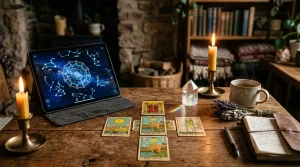
Creating the right atmosphere is also key. Find a quiet, comfortable space where you won’t be disturbed. Consider lighting a candle or burning some incense-this can help establish a sacred space and signal your readiness to engage with the spiritual energies. You might also want to include items that make you feel centered and relaxed, such as crystals or soothing music. These elements can help ground you, making you more open to the messages coming through during the reading.
Additionally, it’s beneficial to approach the reading with an open mind and heart. Leave preconceptions at the door; Tarot thrives on surprise and the unexpected twists it can present. Remember, whether you’re a skeptic or a believer, Tarot is a tool for reflection and self-discovery. Embrace the process without judgment, and be willing to explore the layers of meaning that may arise. You might find that some cards speak to you in unexpected ways, nudging you to consider perspectives you hadn’t previously entertained.
Finally, don’t forget to ground yourself afterward. Once the reading concludes, take a few moments to reflect on what resonated with you and how it applies to your life. Engaging in journaling or discussing your insights with a trusted friend can help solidify any revelations and integrate them into your daily routine. This practice transforms fleeting insights into actionable steps, enriching your personal journey of growth and understanding as you continue to navigate your path.
Common Tarot Spreads: Choosing the Right One
Selecting the right Tarot spread can be a transformative decision for your reading experience. Each spread serves a unique purpose, guiding you toward insights that resonate with your current life circumstances or questions. Whether you’re a novice or have some experience, understanding the various spreads can enhance the clarity and relevance of your reading.
Simple Three-Card Spread
One of the most popular options is the three-card spread. This layout is straightforward and versatile, making it ideal for beginners. Each card can represent a different aspect: the past, present, and future regarding a specific query. For example, if you are seeking clarity in a relationship, the first card might reveal past influences that shaped the dynamics, the second card could reflect the current state of the relationship, and the third card may offer guidance or possible future outcomes. This spread is an excellent entry point to understanding the flow of energy in your situation.
Five-Card Cross Spread
As you grow more comfortable with Tarot, you might explore the five-card cross spread. This layout delves deeper into a situation by focusing on key areas: the situation itself, challenges, past influences, future possibilities, and advice. Each position not only answers specific questions but creates a narrative that connects the cards. For example, if you draw the Lovers card in the position of challenges, it might highlight tensions in a romantic relationship needing resolution, whereas the Empress in the advice position could suggest nurturing and care to foster growth.
Influence of the Celtic Cross
For those with more experience, the Celtic Cross is a comprehensive spread that can provide profound insights. It uses ten cards to cover a wide array of influences: your current situation, immediate challenges, past influences, and potential outcomes, among others. This spread is particularly useful for complex situations where multiple factors need consideration. However, given its complexity, it can often be beneficial to study each card’s placement carefully and consider how they interact to tell a cohesive story.
Ultimately, the choice of spread should align with what you hope to uncover during your reading. Trust your intuition; consider what resonates with you and the questions you want to explore. Whichever spread you choose, remember that Tarot is a journey of self-discovery, offering insights that can illuminate your path forward.
Interpreting Card Meanings: A Beginner’s Guide
Every Tarot card holds a universe of meanings waiting to be uncovered. Whether you’re new to Tarot or seeking to deepen your understanding, interpreting card meanings is a vital skill that enriches your reading experience. Each card not only represents distinct themes but also connects with the energies surrounding your question.
To start with, it’s essential to familiarize yourself with the Major and Minor Arcana. The Major Arcana consists of 22 cards that embody significant life lessons and spiritual themes, while the Minor Arcana, comprising 56 cards, deals with everyday events and situations. As a beginner, consider creating a simple reference guide of key card meanings. For instance, the Fool symbolizes new beginnings and spontaneity, while the Death card signifies transformation and the end of a cycle-not something to fear, but a necessary step for new growth.
When interpreting cards during a reading, context is everything. Begin by looking at the spread’s positions and the relationships between the cards. Each position tells part of the story. For example, if you draw the Tower in the “past” position, it may indicate a period of upheaval that influences the current situation. In contrast, drawing the same card as a “future” prospect could herald an impending change, which can feel daunting, yet often leads to growth and renewal.
Trust your intuition as you interpret the cards. The meanings you read in books are a great starting point, but your personal connection to the symbols and imagery often reveals deeper insights. Keep a journal to document your readings and evolving interpretations, allowing your intuitive muscle to strengthen over time. Remember, Tarot is about guiding you towards understanding your own path; embrace the journey with an open heart and mind.
Tips for Preparing Intuitively Before a Reading
Before diving into a Tarot reading, grounding yourself and cultivating an intuitive mindset can significantly enhance the experience. Engaging lightly with your feelings and thoughts prior to the session invites clarity and openness. Start by creating a tranquil environment that feels safe and welcoming. This could include lighting a candle, playing soft music, or even surrounding yourself with crystals or objects that resonate with you spiritually. Such practices create a sacred space that supports intuitive connection.
Next, set your intention for the reading. What specific questions or themes do you want to explore? Write these down, allowing you to easily focus during the reading. An intention may be as simple as “What do I need to know about my career?” or “How can I improve my relationships?” By articulating a clear question, you invite the cards to respond directly to your current life circumstances, making the session more relevant and profound.
It’s also beneficial to engage in a brief meditative practice before the reading. Take a few moments to close your eyes, breathe deeply, and visualize the energy surrounding you. This helps to clear the mind and align your thoughts with your inner wisdom. You might visualize yourself sitting with the cards, feeling their energy and potential as you invite insights to emerge. Trusting your intuition during this process is essential; if certain cards or symbols draw your attention, allow yourself to reflect on what they might signify for you personally.
Finally, consider keeping a Tarot journal. Document your thoughts, feelings, and what you hope to achieve from each reading. Over time, this journal becomes a valuable resource, revealing patterns and highlights in your intuitive journey. As you prepare, remember that engaging with Tarot is as much about fostering a connection with your inner self as it is about interpreting the cards. Each reading is an opportunity for growth, self-discovery, and deeper understanding, inviting you to embrace the path of intuitive exploration fully.
What to Expect During a Tarot Card Reading
During a Tarot card reading, you may find yourself entering a unique space where personal insight and intuition intertwine. The experience is often engaging, inviting, and profoundly personal. At the beginning of the reading, you can expect a warm atmosphere, whether in-person or virtual, where you are encouraged to share your intentions and questions. This connection sets the tone for the reading, allowing the tarot reader to tailor the session to your needs.
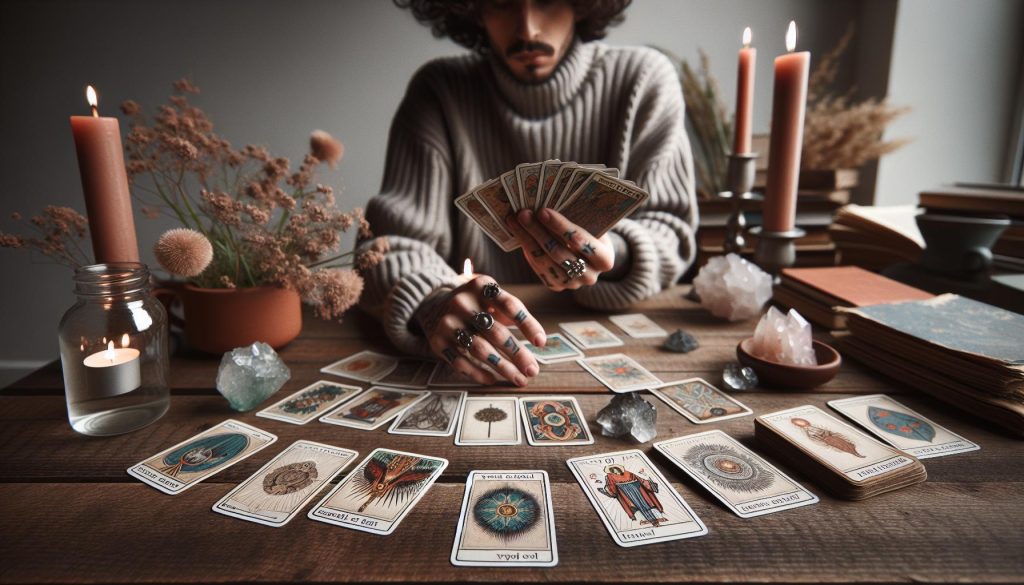
Once the cards are drawn, each one tells a story that weaves together to address your questions. The reader might shuffle the cards while asking you to focus on your thoughts or concerns. As they lay the cards out, you may notice that each card resonates with different aspects of your life. For instance, if you draw the Two of Cups, it might indicate partnerships or emotional connections, while the Nine of Swords may reflect worry or anxiety. Pay attention to the way these images make you feel; your own intuition is as important as the reader’s interpretations.
A typical reading is structured around a specific spread, or layout, which helps organize the messages from the cards. For example, a simple three-card spread can represent your past, present, and future, providing a comprehensive view of your situation. In contrast, more complex spreads delve deeper, such as the Celtic Cross, which explores various influences and outcomes. Don’t hesitate to ask questions during the reading; clarity and understanding are crucial, and good readers will encourage you to engage in the process.
After the reading, take some time to reflect on the insights gained. Many readers encourage you to jot down your thoughts or key insights in a journal. This documentation helps solidify your understanding and allows for reflection in the days to come. Remember, a Tarot reading isn’t just about predicting the future-it’s a tool for self-reflection, understanding emotional patterns, and gaining clarity on your life’s journey. Embrace the insights, and allow the experience to enrich your personal growth.
Debunking Myths: Tarot Card Reading Explained
Many people approach Tarot with a mix of fascination and skepticism, often shaped by cultural portrayals of it as a mystical tool capable of predicting the future with certainty. However, one of the first myths to dispel is that Tarot cards possess inherent magical powers. In reality, the strength of a Tarot reading comes not from the cards themselves, but from the intention of the reader and the energy shared during the session. Each card is a prompt for reflection, inviting both the reader and the querent to explore deeper meanings based on personal experiences and emotional landscapes.
Another common misconception is that Tarot readings simply tell the future. While they can provide insights into potential outcomes based on current energies, they are more about understanding the present moment and examining choices. Tarot is an intuitive tool that reflects possibilities rather than certainties. For instance, drawing the Fool might suggest new beginnings and adventures ahead, but it also calls upon you to consider the risks involved and how you might navigate them. This invites a conversation about choices, consequences, and personal empowerment, rather than a fixed fate.
It’s also important to address the belief that only certain people can interpret Tarot effectively. Everyone has intuition and the capacity to learn from the cards. Beginners might start with simple spreads or focus on one card at a time to build their understanding. Over time, as they become familiar with the imagery and symbolic meanings, they can develop their own interpretations that resonate with their experiences. This journey is accessible to all, regardless of background, which can make the world of Tarot both enriching and inclusive.
Lastly, many shy away from Tarot due to the fear of encountering negative outcomes. While some cards can represent challenges or difficult emotions (like the Tower, denoting upheaval), each also carries the potential for growth and healing. Instead of shying away from these cards, it’s valuable to embrace them as opportunities to confront and transform life’s hurdles. The key to a fulfilling Tarot practice is to approach it with an open mind, ready to receive messages that promote understanding and personal growth. Tarot is not about predicting doom; it’s about illuminating the path forward with clarity and introspection.
How to Reflect on Your Reading Insights
Reflecting on the insights gained from your Tarot reading is a vital step in making the experience meaningful and transformative. Each card drawn carries a wealth of potential wisdom, but unless you take time after the reading to process and integrate this knowledge, the power of those insights may fade. Creating a dedicated space for reflection can deepen your understanding and help you connect the messages to your life’s journey.
Start by journaling your thoughts and feelings about the reading. Write down each card drawn, along with your first impressions and any feelings that arose during the process. This can help clarify connections between the cards and your current life circumstances. You might ask yourself questions like:
- What does each card mean to me personally?
- How do these interpretations align with my intuition?
- What specific actions can I take based on these insights?
Consider also the overall narrative or theme of the reading. Was there a clear message that stood out? For example, if you pulled several cards depicting transition, such as the Death card or the Chariot, reflect on the areas of your life where change is needed. Recognizing patterns can be enlightening and offer direction, highlighting aspects you may want to cultivate or address.
Engaging in a ritual can enhance your reflection process. This might include meditating on the cards, visualizing their meanings, or even creating a vision board inspired by your reading. Allow yourself to sit quietly with each card, closing your eyes and asking what they want to reveal to you on a deeper level. Remember, the interpretation of Tarot is highly personal; trust your intuition and feelings as valid responses to your reading.
Finally, revisit your notes after some time has passed, perhaps weeks or months later. This act of reflection can uncover insights you might not have seen initially and highlight growth or shifts in your perspective. Embrace the ongoing nature of Tarot as a tool for personal evolution and self-discovery, encouraging continuous dialogue between you and the Universe. The key is to remain open, curious, and engaged, allowing your Tarot practice to guide you on your path to understanding and empowerment.
Using Tarot for Personal Growth and Self-Discovery
Connecting with the deeper layers of your consciousness can feel elusive, but Tarot offers a remarkable bridge to self-discovery and personal growth. Each card in a Tarot deck is rich with symbolism and meaning, acting as a mirror reflecting both your internal world and external circumstances. Engaging with Tarot helps illuminate your path by encouraging introspection and fostering clarity around your thoughts, emotions, and circumstances.
One effective method for personal growth using Tarot is to create a dedicated space for regular readings. Begin with a simple three-card spread focusing on past, present, and future. This approach allows you to examine your personal history, current situation, and future potential. After drawing the cards, take time to journal your feelings and thoughts on each card. Ask yourself questions such as:
- What emotions does this card evoke?
- How does this relate to my current situation?
- What steps can I take to align with the guidance of these cards?
Each reading can reveal patterns or themes that resonate with your life experiences. For instance, if you frequently draw cards related to the Hermit, reflecting a need for solitude and introspection, consider this your cue to explore deeper self-reflection. Embracing such messages allows you to make informed choices and nurture your personal journey.
Additionally, incorporating rituals into your Tarot practice can enhance your self-discovery journey. Whether it’s lighting a candle, using crystals, or playing soothing music, these actions create a sacred space that invites deeper intuition. Each time you sit with the cards, envision setting an intention for what you wish to uncover about yourself-this focus can lead to profound insights.
Ultimately, using Tarot for personal growth is about creating a dialogue with yourself. The cards don’t dictate your future; rather, they serve to illuminate paths and possibilities. Embrace the magic of the moment, remain open to your intuitive impressions, and allow your readings to guide you toward greater self-awareness and empowerment on your unique life path.
Advanced Techniques: Deepening Your Tarot Skills
Elevating your Tarot practice involves embracing advanced techniques that foster deeper insights and richer interpretations. One effective method is to explore expanded card meanings beyond the traditional definitions. This involves understanding cards in various contexts-personal, professional, and spiritual. For instance, when you draw the Three of Cups, you might typically think of celebration or community. However, consider the card’s reversal to explore themes of overindulgence or superficial connections. Reflect on how these dual meanings resonate with your life experiences and current situations.
Another powerful tool is to integrate intuitive reading into your practice. Start by setting a quiet space where you won’t be interrupted. As you shuffle the deck, let your thoughts drift and observe what feelings or images arise. When you draw your cards, jot down these initial impressions before consulting any guidebook. This practice encourages a personal connection with the cards and helps build your intuitive skills. It’s essential to understand that your intuition is honed through practice. Each reading adds layers to your understanding, so don’t shy away from experimenting with your interpretations.
Working with advanced spreads is another way to deepen your skills. While beginners often rely on three-card spreads, explore more intricate layouts such as the Celtic Cross or a Relationship Spread. These spreads contain multiple positions, offering insights into various aspects of a situation. For example, the Celtic Cross dives into the past, present, and potential obstacles, allowing for a comprehensive view of the querent’s issues. Keep a journal of your readings; noting what each position revealed can enhance your understanding of the spreads over time.
Practice Reflection and Review
After each reading, set aside time for reflection. Analyze which cards appeared together and consider their narrative. Reflect on questions like:
- Did any patterns emerge across readings?
- How did my interpretations evolve over time?
- What insights align with my personal growth journey?
Engaging with these prompts fosters a continuous learning cycle, transforming each reading into a growth experience. Also, remember that Tarot is as much about the questions you ask as the cards drawn. Crafting open-ended, insightful questions can lead to profound revelations, guiding you toward clarity in your path.
By integrating these advanced techniques, you will not only enhance your Tarot skills but also cultivate a deeper, more meaningful relationship with your cards-turning each reading into a transformative journey of self-discovery and empowerment.
Continuing Your Tarot Journey: Resources and Communities
Connecting with others on your Tarot journey can enrich your understanding and deepen your practice. Engaging in communities allows you to share experiences, learn new techniques, and find support as you navigate your Tarot readings. Online forums, social media groups, and local meet-ups are great spaces to find like-minded individuals who share your interest in Tarot.
Start by exploring platforms like Facebook or Reddit, where numerous Tarot groups exist. These communities often feature daily card pulls, discussion threads on card meanings, and insights into various spreads. Participating in discussions can help demystify practices and provide different perspectives on your readings. For example, you might share your interpretation of the Two of Swords and receive insights that highlight an aspect you hadn’t considered.
In addition to online communities, consider attending workshops or classes. Many experienced Tarot readers offer courses covering everything from foundational knowledge to advanced techniques. Such interactive settings allow you to ask questions, practice readings, and receive instant feedback-an invaluable resource for honing your skills. Look for local metaphysical shops or community centers that host classes or Tarot nights.
Joining online courses can also expand your knowledge base significantly. Websites like Mindvalley or even dedicated Tarot sites provide structured learning opportunities, allowing you to progress at your own pace. They might include videos, downloadable resources, and assignments designed to deepen your understanding of card combinations and spreads, making it easier to integrate new insights into your practice.
Lastly, consider keeping a Tarot journal. Documenting your readings, insights, and questions can help reinforce your learning and track your growth over time. Review your entries regularly to spot patterns or changes in your interpretations, enhancing both your confidence and intuition.
By tapping into these resources and communities, you’ll find not only valuable knowledge but also the encouragement needed to embrace your unique Tarot journey-whether you’re a curious beginner or an advanced practitioner seeking deeper insights. Embrace the magic and support of the Tarot community; remember, you are not alone on this path.
Faq
Q: What happens in a typical tarot card reading?
A: In a typical tarot card reading, the reader shuffles the deck while you focus on a question or intention. Cards are then drawn and interpreted based on their positions and meanings. You can expect insights into your situation, guidance for decisions, and deeper emotional understanding.
Q: How do I choose a tarot reader?
A: Choose a tarot reader by considering their experience, style, and your comfort level with them. Look for online reviews and personal recommendations. It’s important to find someone whose approach resonates with you, ensuring a positive and insightful experience.
Q: Can tarot card readings predict the future?
A: Tarot card readings offer insights and guidance but do not definitively predict the future. Instead, they highlight potential outcomes based on current circumstances and choices. The focus is on empowerment and self-discovery rather than fate.
Q: How should I prepare for my first tarot reading?
A: Prepare for your first tarot reading by setting a clear intention or question. Relax and approach the session with an open mind. Consider journaling your thoughts and feelings beforehand, which can help clarify what you want to explore during your reading.
Q: What can I do if I feel confused by my tarot reading?
A: If you feel confused by your tarot reading, take some time to reflect on the messages. Consider discussing your feelings with the reader for clarification. Journaling your thoughts and insights can also help solidify understanding and integrate the guidance received.
Q: Are there specific tarot spreads for beginners?
A: Yes, beginners can benefit from simple tarot spreads like the three-card spread, which represents past, present, and future. This approach provides a straightforward way to explore situations and gather insights without overwhelming complexities ([Learn more about common spreads here](https://www.astrologyanswers.com/article/a-guide-to-the-4-tarot-suits-cups-wands-swords-pentacles/)).
Q: How can I use tarot cards for personal growth?
A: To use tarot cards for personal growth, regularly reflect on their messages related to your life situations. Journaling your readings can deepen your insights. Consider utilizing specific card spreads aimed at self-discovery to explore emotions, desires, and goals in more depth.
Q: What if I have skepticism about tarot card readings?
A: Skepticism is common and valid. Approach your tarot reading with an open mind, allowing yourself to experience it without pressure. You might find value in the insights offered, even if you don’t fully believe in the mystical aspects. Engage with the process as a tool for personal reflection and understanding.
Insights and Conclusions
As you embark on your Tarot journey, remember that each reading offers a unique glimpse into your life’s path, illuminating opportunities and challenges ahead. Whether you’re a beginner or advanced reader, this guide equips you with the insights necessary to maximize your experience. Now is the perfect time to dive deeper-consider exploring our resources on 3-Card Tarot Spreads and Career Readings for tailored advice that aligns with your goals.
Don’t miss out on the wisdom waiting within the cards! Join our newsletter for exclusive content and tarot tips delivered straight to your inbox. Your intuition is a powerful tool; trust it to guide you forward. If you have questions or wish to share your experiences, we’d love to hear from you in the comments below! Embrace your journey, and let the magic of Tarot help you navigate life’s twists and turns.
Get our latest guides, news, and insights highlighted in your Google Search & AI Overviews.