Have you ever felt at a crossroads, seeking clarity about your future or guidance through tough times? A tarot reader can be your companion on that journey, using a deck of cards to unlock insights and illuminate your path. Tarot reading is both an art and a science, blending intuition and traditional symbolism to provide profound understanding and direction. Whether you’re a skeptic or a seasoned enthusiast, exploring the role of a tarot reader can deepen your understanding of yourself and the world around you. In this guide, we’ll demystify what it means to be a tarot reader, uncovering the techniques they use, the wisdom they offer, and how you can tap into this ancient practice for personal growth. Let’s dive in and discover the transformative power of tarot together.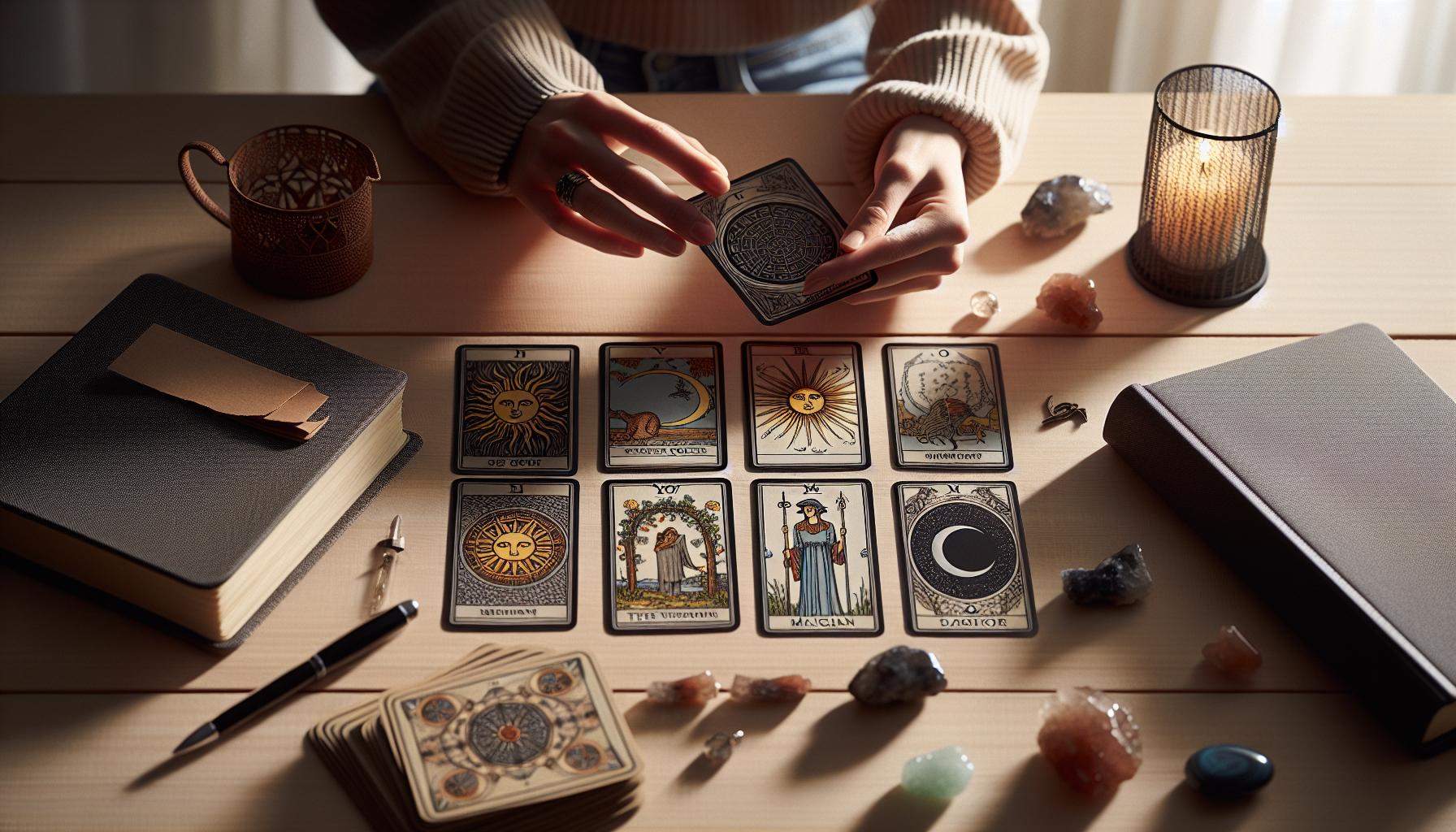
What is Tarot Reading? An Overview
In the realm of spirituality and self-discovery, tarot reading stands out as a powerful tool for gaining insight and guidance. Rooted in centuries of tradition, tarot utilizes a deck of 78 cards, each rich with symbolism and meaning. It’s not merely about fortune-telling; rather, it’s an introspective journey that allows individuals to explore their thoughts, emotions, and potential paths forward. Many who engage with tarot find that it offers clarity in moments of uncertainty, providing a unique lens through which to view life’s challenges and opportunities.
At its core, tarot reading serves as a dialogue between the reader, the cards, and the querent (the person seeking guidance). Each card drawn can resonate with different aspects of one’s life, from relationships and career decisions to personal growth. This interactive process invites individuals to reflect on their circumstances, helping them to uncover hidden motivations or fears and consider new perspectives. Whether you are a skeptic or a believer, the experience can be both illuminating and transformative.
When approaching tarot, it’s essential to understand that the cards are not set in stone; they symbolize various energies and outcomes based on your current trajectory. A skilled reader interprets these symbols, weaving together a narrative that speaks to the querent’s situation. This is where personal intuition and sensitivity play crucial roles. tarot reading is as much an art as it is a practice, requiring the reader to tap into their intuitive abilities and empathic understanding.
As you delve deeper into tarot, you will encounter different styles of readings, from simple one-card draws for quick insights to complex spreads that explore multiple facets of a question. Each card holds its own storytelling power, reflecting the complex interplay of fate, choice, and free will. Whether you’re drawn to tarot for guidance, self-discovery, or curiosity, this ancient practice has the potential to unlock meaningful insights into your life, making it accessible for everyone eager to explore its depths.
The Role of a Tarot Reader in Spiritual Guidance
In the intricate tapestry of tarot reading, the role of the tarot reader extends far beyond simply interpreting cards. A skilled tarot reader assumes the role of a spiritual guide, weaving together insights, intuition, and empathic understanding to illuminate the querent’s path. This unique dynamic invites individuals to embark on a journey of self-discovery, gaining clarity and confidence in navigating their lives.
Central to a tarot reader’s craft is the ability to create a safe, supportive environment that encourages open dialogue. A good reader listens intently to the querent’s questions and emotions, using this connection to interpret the cards through the lens of the individual’s unique circumstances. By fostering a non-judgmental space, the reader empowers clients-whether skeptics or believers-to explore their thoughts and feelings, providing an opportunity for personal reflection. This gentle guidance can be particularly useful during challenging times, helping individuals uncover hidden patterns or beliefs that may be influencing their current situations.
As readers delve into the meaning of the cards, they draw on a blend of intuition and established knowledge of tarot symbolism. For instance, if a querent draws the Two of Swords, a reader might discuss themes of indecision or the need to choose between conflicting paths. They could encourage the querent to reflect on what is truly holding them back. By pulling in personal anecdotes, metaphors, and relatable examples, the reader bridges the gap between the mystical and the practical, fostering a deeper understanding of how the cards resonate with the querent’s life.
Additionally, the tarot reader’s methodology can vary widely, offering different styles of readings based on the querent’s needs. From one-card pulls for quick insights to complex spreads that reveal deeper narratives, readers tailor their approach to the individual. Each session is not only a guide for the present but also a chance to explore the potential outcomes based on current energies and choices. Ultimately, the reader serves as both a mirror and a mentor, helping querents cultivate their intuitive abilities, paving the way for a more empowered and self-aware journey through life.
Types of Tarot Readings: Exploring Your Options
Exploring the many types of tarot readings can empower you to choose the session that resonates most with your current needs or curiosities. Whether seeking clarity on a specific issue, broadening your understanding of life’s journey, or simply enjoying the experience of tarot, there’s a reading style suited for everyone.
One-Card Pulls
The simplest form of tarot reading is the one-card pull, ideal for beginners or those seeking quick insights. This method offers a snapshot answer to a specific question or provides guidance for the day ahead. For example, pulling the Knight of Cups might suggest embracing romantic pursuits or following your heart in a decision.
Three-Card Spreads
A three-card spread delves slightly deeper, allowing for exploration of past, present, and future influences on a situation. Each card placement tells a part of the story, helping to contextualize current circumstances. Imagine asking about career options. The first card might represent past efforts that shaped your skills, the second your current role or aspirations, and the last a possible future path you could take.
Relationship Spreads
When seeking insight into personal relationships, specific spreads like the Relationship Spread can be transformative. This layout often involves multiple cards representing the self, the partner, and the connection between both. Such insights can highlight strengths and areas for growth, promoting healthier communication and understanding.
Career and Life Path Spreads
Tapping into your career and life path often calls for more complex spreads like the Celtic Cross. This classic layout consists of ten cards that explore various influences including current challenges, external factors, hopes, and outcomes. It’s especially beneficial for those at a crossroads, providing comprehensive insights into a vast array of life dimensions.
Each tarot reading style carries its own unique energy and potential for reflection. Whichever type you choose, remember that the ultimate purpose is to foster self-awareness and promote personal growth. Trust your intuition and don’t hesitate to ask your reader which spread they feel best fits your inquiry, ensuring a tailored experience that aligns with your individual journey.
Understanding Tarot Decks: A Beginner’s Guide
When embarking on your tarot journey, understanding tarot decks is crucial. Each deck can offer unique insights, reflecting the reader’s intuition and the energy of the query at hand. Traditional tarot decks consist of 78 cards, divided into the Major Arcana and Minor Arcana, each brimming with symbolism and meaning. Familiarizing yourself with these components will enhance your readings, making them more resonant and insightful.
Major Arcana: The Soul’s Journey
The Major Arcana is a set of 22 cards that represent significant life events, spiritual lessons, and deep psychological themes. Each card tells a story, from the Innocence of the Fool to the Transformation of the World. For beginners, focusing on the Major Arcana can provide clarity in moments of upheaval or critical decision-making. For example, drawing the Death card does not signify a literal death but rather transformative change-a powerful opportunity to let go of the old and embrace the new.
Minor Arcana: The Nuances of Daily Life
The 56 cards in the Minor Arcana delve into the everyday aspects of life, providing context and detail. Divided into four suits-Cups, Pentacles, Swords, and Wands-each suit embodies different themes: emotion, material concerns, intellect, and creativity. Exploring the Minor Arcana can help you navigate day-to-day decisions; for instance, drawing the Two of Cups might indicate a budding partnership, while the Nine of Swords may reveal anxiety needing attention.
Choosing Your Tarot Deck
Selecting a tarot deck that resonates with you is a personal and essential step in your tarot practice. There are countless decks available, each with its own artwork and interpretations. Visit a local metaphysical shop or browse online to explore different styles. Some popular choices include the Rider-Waite-Smith deck, known for its beautiful imagery and traditional symbolism, and the Thoth deck, which offers a more esoteric approach. Don’t hesitate to trust your intuition-choose a deck that sparks joy and curiosity.
Connecting with Your Deck
Once you’ve chosen your deck, take time to develop a relationship with it. Spend quiet moments reflecting on the imagery, perhaps journaling your thoughts or meditative insights on each card. You might even conduct a simple reading to gauge your connection. Remember, tarot is a tool of intuition and personal growth. Embrace your unique understanding of the cards, and don’t worry about strict interpretations. With practice, you’ll find your own voice in the realm of tarot.
In summary, understanding tarot decks is about more than just knowing the cards; it’s about building a relationship with your intuitive self and the stories each card presents. Embrace this journey and let your tarot deck be a guiding companion along the way.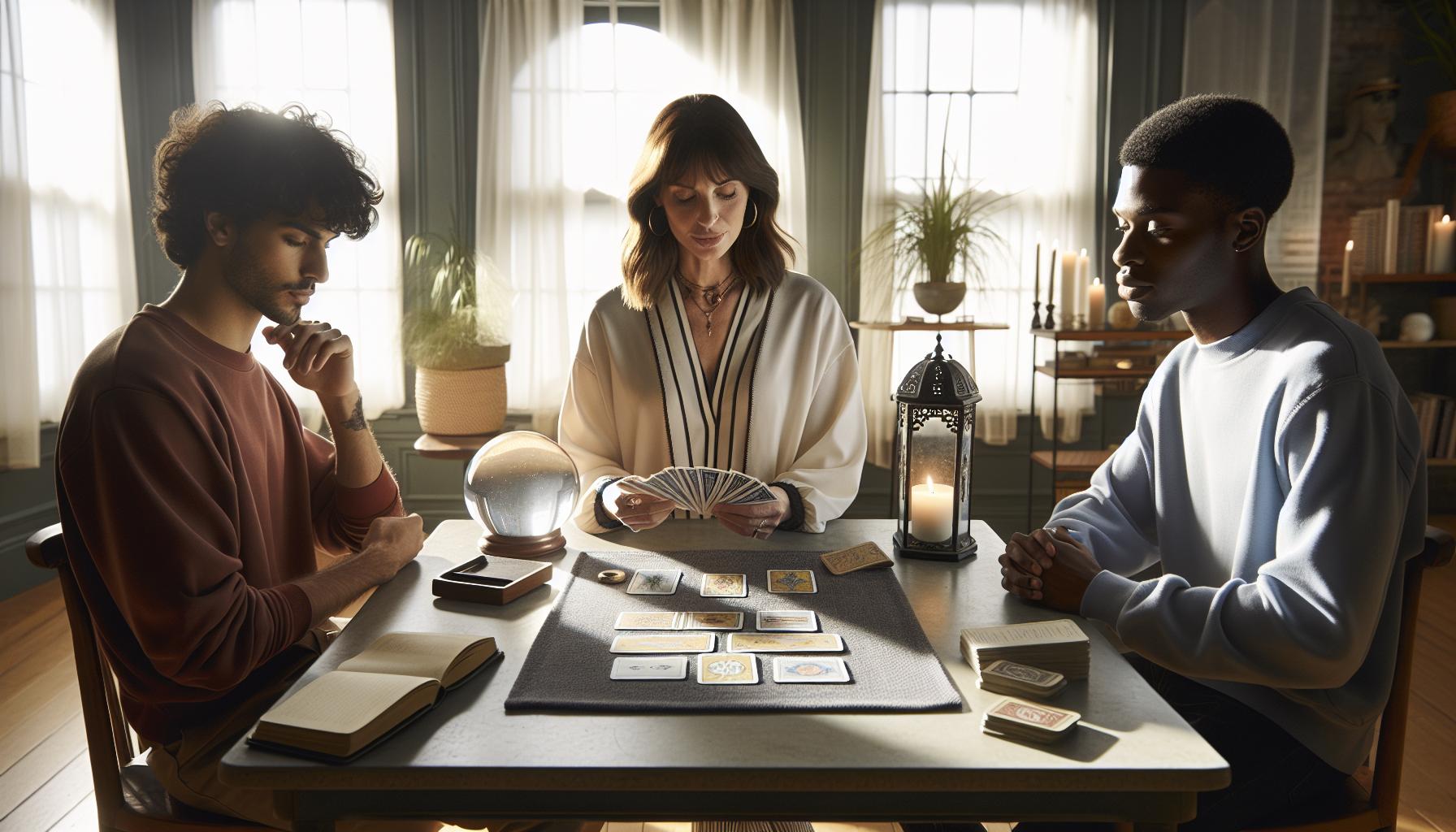
How Tarot Readers Interpret the Cards
Interpreting tarot cards is a nuanced art that combines intuition, symbolism, and context. Each card carries a rich tapestry of meanings that can shift depending on the question posed and the surrounding cards in a spread. A skilled tarot reader can draw upon their understanding of these symbols while also tapping into their intuitive insights, creating an interpretation that resonates on a personal level for the querent.
To begin, readers often employ a variety of frameworks when interpreting cards. Context is key; understanding the querent’s question helps the reader focus on relevant meanings. For example, drawing the Ace of Cups during a relationship reading suggests the beginning of emotional experiences, while in a financial inquiry, it may point to newfound opportunities in abundance. Readers may also reference traditional meanings, but they adapt these insights to the unique energy of the querent’s situation.
Another important aspect of interpretation is the spread used during the reading. Different layouts (such as the Celtic Cross, Three Card Spread, or Past-Present-Future) direct the reader’s focus and provide a structured narrative. Each position in a spread holds specific significance, which guides the interpretation process. For instance, in a Three Card Spread, the order of the cards can highlight past influences, present circumstances, and future possibilities.
Moreover, tarot is inherently symbolic, and this symbolism can evolve. For a beginner, focusing on key symbol interpretations-like the transformative power of the Death card or the stability of the Emperor-can build confidence. As one gains experience, readers can deepen their understanding of how colors, numbers, and imagery interconnect to enhance readings. A skilled reader might say, “When drawing the Three of Swords, pay attention to the heartache but also recognize it as a catalyst for growth and healing.”
In all these interpretations, it’s essential for readers to remain open to the diverse spiritual perspectives of querents. This ensures a safe space for inquiry-whether the person is a skeptic or a long-time believer. Being supportive and non-judgmental allows the reader to build rapport, encouraging querents to explore their feelings and insights openly. Through practice and genuine curiosity, anyone can harness the profound wisdom that tarot offers, unlocking personal guidance and clarity along their path.
Common Tarot Spreads and Their Meanings
There’s a world of insight waiting to be uncovered through tarot spreads, each designed to provide clarity and guidance on various aspects of life. At the heart of tarot reading are these specific layouts that direct the flow of the reading, shaping how cards come together to tell a story. Understanding can enhance both the reader’s and the querent’s experience, offering pathways to deeper self-reflection and understanding.
The Three Card Spread
One of the simplest yet most versatile layouts is the Three Card Spread. This spread allows readers to explore key themes in a succinct way. Typically, the cards are placed for past, present, and future reflections. For example, if someone is inquiring about a career change, the first card might represent past influences affecting their decision, the second card shows their current situation or feelings, and the third hints at potential outcomes based on their choices. This straightforward approach is perfect for beginners and can spark meaningful insights into immediate situations.
The Celtic Cross
The Celtic Cross is a classic and more complex spread that can offer profound insights, often used for in-depth exploration of a particular question. This 10-card layout covers various aspects: the central issue, immediate challenges, past influences, future possibilities, your internal and external influences, hopes, and the final outcome. For example, if exploring a relationship dilemma, the spread can reveal not just external dynamics but also personal internal conflicts and hopes. Each position has its significance, and as readers develop familiarity with this spread, they can uncover layers of understanding and guidance.
The Pyramid Spread
For those searching for clarity on a specific area of life, the Pyramid Spread can be quite revealing. Arranged in a triangular shape, with a single card at the top representing the querent’s primary focus, and additional layers representing influential factors below. This spread is particularly useful for examining how various influences-like friends, family, and the querent’s own emotions-interact to shape a situation. For instance, a querent looking at their health can see not just the overall health card at the top but also cards below that reveal emotional, social, and physical factors impacting their well-being.
Tips for Using Tarot Spreads
When trying out different spreads, consider the following tips to deepen your readings:
- Stay open to interpretations: Each card can have multiple meanings depending on its position and the surrounding cards.
- Trust your intuition: Let your gut feeling guide your interpretations, especially as you become more familiar with the tarot’s rich symbolism.
- Practice regularly: Repetition builds confidence and deepens understanding, so try different spreads with varying focuses.
- Keep a tarot journal: Record your readings and interpretations to track your growth and insights over time.
Exploring these common tarot spreads helps demystify the tarot reading process and empowers individuals to seek valuable insights, making the practice accessible and transformative. As you delve into your readings, remember: each spread is a conversation with your intuition and spirit, guiding you toward clarity regardless of your level of experience.
Decoding the Major Arcana: Key Insights
Understanding the Major Arcana is essential for anyone diving into the world of tarot, as these cards, numbering 22 in total, represent significant life themes and spiritual lessons. Each card serves as a symbol of profound archetypes that guide us through our life’s journey, often reflecting universal experiences and emotions. For example, The Fool embodies new beginnings and the leap of faith necessary to embark on new adventures, while The World signifies completion, achievement, and the realization of our potential.
These powerful cards are more than just images; they form stories and convey messages that resonate at deeply personal levels. When interpreting the Major Arcana, it’s crucial to consider not only the individual meanings but also their sequence in the tarot journey, which portrays our evolution from innocence to enlightenment. For instance, The Lovers can indicate relationships and choices, sometimes signaling the need to make decisions that align with one’s deepest values, whereas The Tower indicates upheaval and the breaking down of old structures, prompting necessary transformations.
To effectively decode these cards, a reader might employ the following approaches:
- Context is Key: Always consider the question or situation at hand when interpreting a card. For example, if The Empress appears in a reading about career prospects, it may indicate a nurturing and creative approach will lead to fruitful outcomes.
- Read Reversed Cards: While the upright meanings convey clarity and strength, reversed cards can reveal underlying issues or areas of imbalance, urging the querent to address what might not be immediately obvious.
- Connect with Intuition: Remember, tarot reading is as much about intuitive insights as it is about the traditional meanings of the cards. Allow personal experiences and emotional responses to inform your interpretation.
As you work with the Major Arcana, keep site of the overarching narrative these cards create. They can act as powerful mirrors reflecting our inner worlds and providing clarity on our pathways. Embrace the journey with an open heart and a curious mind; each reading is a unique exploration, where insights await, guiding you toward personal growth and understanding.
Exploring the Minor Arcana: A Deeper Dive
The Minor Arcana, often overshadowed by the grandeur of the Major Arcana, holds the key to our everyday experiences and the myriad influences that shape our lives. Comprising 56 cards, the Minor Arcana is divided into four suits: Cups, Pentacles, Swords, and Wands. Each suit represents different aspects of life-emotions, materiality, intellect, and creativity-providing a rich tapestry of insight tailored to daily challenges and triumphs.
The Cups are associated with emotions, relationships, and connections. For instance, drawing the Ace of Cups might herald new romantic beginnings or emotional growth, while the Five of Cups warns of potential loss and the importance of focusing on what remains rather than what has passed. When interpreting Cups, consider the emotional landscape of the querent and how their feelings interact with their current situation.
In contrast, Pentacles speak to material aspects, such as finances, work, and the physical world. A card like the Ten of Pentacles suggests stability and generational wealth, while the Three of Pentacles emphasizes collaboration and skill development. It’s vital to ground interpretations in the querent’s practical circumstances, helping them align their aspirations with achievable goals.
Swords represent thoughts, communication, and conflict. The Ace of Swords embodies clarity and new ideas, while the Nine of Swords warns of anxiety and mental turmoil. Here, a tarot reader can assist the querent by exploring mental patterns, guiding them to reframe negative beliefs and embrace healthier perspectives.
Lastly, Wands symbolize creativity, action, and ambition. The Three of Wands suggests expansion and a willingness to pursue new opportunities, while the Seven of Wands emphasizes perseverance in the face of challenges. When reading Wands, encourage the querent to tap into their inner drive and recognize the passion they possess to manifest their desired outcomes.
As you delve into the Minor Arcana, remember to create a supportive environment for intuition to flourish. Utilize card combinations to gain nuanced insights; for example, if the Empress from the Major Arcana appears alongside several Cups, it might suggest nurturing relationships within a personal context. Combining meanings from both majors and minors enriches the reading and provides a more holistic understanding.
Embrace the simplicity and practicality of the Minor Arcana as you navigate the intricacies of life with your querents. The insights gained from these cards can empower, inspire, and illuminate the paths forward, making tarot an accessible tool for personal growth and understanding.
Tips for Choosing a Professional Tarot Reader
Choosing the right tarot reader can be a transformative experience, opening doors to self-discovery and insight. With so many practitioners available, it’s essential to find someone who resonates with your energy and can offer a reading tailored to your needs. Here are some practical tips to guide you in selecting a professional tarot reader who aligns with your unique journey.
Research and Reviews
Start by exploring the reader’s background and credentials. Look for reviews or testimonials from previous clients to gauge their skills and style. Websites and platforms dedicated to tarot readings often feature ratings which can give you an insight into others’ experiences. Don’t hesitate to ask friends or community members for recommendations, as personal referrals can lead you to trusted professionals.
Consider the Reader’s Specialization
Different tarot readers may specialize in various areas, such as love, career, or personal growth. Understanding what you wish to focus on during your reading will help narrow your options. Some readers excel in intuitive readings that offer deep psychological insights, while others might adopt a more structured approach, providing guidance based on specific spreads. For example, if you’re looking for romantic guidance, seek out someone who emphasizes love readings in their practice.
Communication Style
It’s vital to feel comfortable with your tarot reader. Many offer introductory sessions or consultations to discuss your needs and approach, which can help you discern if their communication style resonates with you. Whether you prefer a direct approach or a more empathetic and nurturing tone, make sure the reader’s style aligns with your preferences. This connection fosters trust and openness, allowing for a more meaningful reading experience.
Ethical Considerations
Ethical practice is essential in tarot reading. Choose a professional who respects your privacy and clearly explains their process and pricing. Look for someone who encourages empowerment rather than fear, ensuring that you leave the session with insights that support your growth. A good tarot reader will maintain a non-judgmental stance and appreciate the diverse backgrounds and beliefs of their clients, fostering a respectful and safe environment.
Ultimately, trust your intuition when selecting a tarot reader. If a particular practitioner stands out or feels energy that draws you in, that’s often a sign you’re meant to connect. The right tarot reader will not only offer guidance but also encourage you to explore your intuition and insights, enhancing your personal journey through the mystical world of tarot.
Preparing for Your Tarot Reading Experience
When approaching your tarot reading, the experience can be deeply enriching if you take some time to prepare. Your mindset plays a crucial role in how effectively the reading resonates with your life’s questions. This preparation helps create an open, trusting environment that allows the cards to guide you authentically.
Start by setting a clear intention. Think about what you want from the reading, whether it’s clarity on a specific situation or general guidance for your path ahead. Holding a specific question can help focus the energy of the reading. Perhaps you’re contemplating a decision related to your career or seeking insights about a relationship. Write down your thoughts or questions beforehand; this can help distill your focus and ease any anxiety you might feel.
Additionally, consider the space where you’ll be receiving your reading. Choose a quiet, comfortable area where you can relax and be undisturbed. Dim lighting, soft music, or even some incense can create a warm atmosphere conducive to insight. Your physical comfort can significantly impact your emotional receptivity, so make sure the setting supports a peaceful, open mindset.
As you engage in your reading, a journal can be an invaluable tool. Keep it nearby to jot down notable insights, feelings, or realizations throughout the session. This not only helps you remember the details but also serves as a space for reflection afterward. Remember, the true power of tarot lies in its ability to prompt self-exploration and facilitate personal growth, so being receptive and mindful during your experience can lead to transformative outcomes.
Approaching your tarot reading with intention, a supportive space, and the willingness to engage deeply can enhance the experience, making it a personal journey toward clarity and understanding.
Ethical Considerations in Tarot Reading
When engaging in tarot readings, both the reader and the querent must navigate a realm where intuition meets ethics. Understanding the ethical considerations surrounding tarot is essential not just for building trust but also for ensuring that the reading experience is meaningful and responsible.
Confidentiality and Respect
First and foremost, confidentiality is paramount. A skilled tarot reader should always respect the privacy of their clients, ensuring that any personal information shared during the session remains confidential. This respect fosters a safe environment, allowing the querent to open up about sensitive issues without the fear of judgment or exposure. Practicing this level of discretion builds a foundation of trust, which is crucial for an impactful reading.
Informed Consent and Expectations
Tarot readers should also prioritize informed consent. Before the session, it’s important to clarify what the querent can expect from the reading. Discuss the nature of tarot reading openly-what it can and cannot provide. Many people seek clarity and guidance, but it’s crucial to underscore that tarot is not a definitive forecasting tool; it should be treated as a guide rather than a guarantee of outcomes. Establishing this expectation upfront allows the querent to approach the reading without undue pressure or unrealistic hopes.
Non-Judgmental Approach
Additionally, a non-judgmental attitude is vital. Each person’s life journey is unique, and a tarot reader should strive to meet clients where they are, respecting their choices and beliefs. Even if a querent reveals a difficult situation or a morally complex dilemma, the reader’s role is to provide insights without imposing their own values or opinions. This openness encourages honest dialogue and personal reflection, which are essential for a healing and transformative experience.
Spiritual Responsibility
Finally, it’s essential for tarot readers to be mindful of their spiritual responsibilities. The tools of tarot can be profoundly influential, and with that power comes the obligation to handle the cards and their meanings with care and respect. Readers should continuously seek to develop their skills and deepen their understanding of the cards, trends, and the human experience they reflect. This commitment not only enhances their reading practice but also ensures that the guidance they provide is grounded in knowledge and heartfelt intention.
By adhering to these ethical principles, tarot practitioners can create a nurturing environment that respects both the mystical nature of the cards and the profound human experiences they seek to illuminate.
Real-Life Tarot Reading Examples and Experiences
Engaging with tarot can often lead to surprisingly enlightening experiences, whether for the reader or the querent. Many people enter their first tarot reading with skepticism or curiosity, only to leave with profound insights that resonate with their life’s path. For instance, one individual approached a reading during a tumultuous transition in their career. They drew the Eight of Pentacles, symbolizing hard work and diligence, reminding them to focus on skill development rather than rushing into new opportunities. This simple yet powerful message helped them to realign their expectations and ultimately find satisfaction in their progress.
Another fascinating example involved a querent seeking guidance on a complex relationship issue. Through a three-card spread focusing on the past, present, and future, the reader revealed the Lovers, Three of Swords, and The Star. This narrative depicted a past marked by difficult choices and heartbreak, illuminated by the present’s possibility for healing and hope for the future. The querent recognized the cycles of love and loss that had shaped their experiences and felt empowered to take steps toward reconciliation, highlighting how tarot acts not just as a mirror but as a guide towards conscious decision-making.
Each tarot reading is unique, and the stories emerging from these sessions underscore the dynamic nature of the cards. For beginners, it’s important to remember that intuitive responses to the cards are just as valuable as traditional interpretations. By sharing their own stories, readers create an environment of trust and openness, encouraging querents to explore their emotions and questions without fear of judgment.
As individuals embark on their tarot journey, they should focus on cultivating their intuitive skills alongside their knowledge of the cards. Starting with simple spreads like the three-card layout can help build confidence. By reflecting on how the cards resonate with their life experiences, they can deepen their understanding and connection to the tarot, making each reading a meaningful exploration of self. This balanced approach fosters a sense of empowerment and supports querents in uncovering the wisdom they hold within.
FAQ
Q: How do you choose the right tarot deck for beginners?
A: To choose the right tarot deck, consider what resonates with you visually and spiritually. Look for decks with imagery that speaks to you, as personal connection can enhance your reading. Popular beginner options include the Rider-Waite deck for its straightforward symbols and the Thoth tarot for its rich imagery. Explore your options by visiting local shops or online retailers.
Q: What should I expect during my first tarot reading?
A: In your first tarot reading, expect a calm and welcoming environment. The tarot reader will typically ask about your concerns or questions, then shuffle and lay out the cards. You’ll gain insights based on the cards drawn and how they relate to your situation. Approach the session with an open mind for the best experience.
Q: Can tarot readings predict the future?
A: Tarot readings do not predict the future in a definitive sense but rather provide insights and guidance based on current energies and situations. The cards can help clarify your choices and potential outcomes, empowering you to make informed decisions. Remember, your actions shape your future.
Q: How often should I get a tarot reading?
A: The frequency of tarot readings depends on personal preference and your current life circumstances. Many find value in readings during major life changes or when seeking guidance on specific issues. Starting with a monthly or quarterly reading can help maintain clarity without overwhelming yourself with too much information.
Q: Are tarot readings safe and ethical?
A: Yes, tarot readings can be safe and ethical when conducted by a reputable reader who respects personal boundaries and confidentiality. Always choose a reader who adheres to ethical guidelines, such as those outlined in the Ethical Considerations in Tarot Reading section of our article, to ensure a positive experience.
Q: What are some common misconceptions about tarot reading?
A: Common misconceptions include the belief that tarot readers can see the future or that the cards possess mystical power. In reality, tarot serves as a tool for introspection and guidance, relying on intuitive interpretation and personal insight. Understanding this can help you approach readings with realistic expectations.
Q: How can I improve my tarot reading skills?
A: To improve your tarot reading skills, practice regularly and keep a tarot journal to track your interpretations and insights. Studying each card’s meanings, participating in workshops, and joining tarot communities can enhance your knowledge. Start with the Common Tarot Spreads to build confidence and understanding.
Q: Is tarot reading suitable for skeptics?
A: Absolutely! Tarot reading can be beneficial for skeptics as it encourages reflection and self-discovery. Approaching tarot as a tool for personal growth rather than a mystical experience can make it more accessible. Open-minded exploration can lead to surprising insights and empower you on your journey.
In Summary
Understanding what a tarot reader does can unlock powerful insights into your life. From relationship guidance to career direction, tarot readings offer a unique perspective that blends intuition with practical advice. If you’re curious about beginning your own tarot journey, consider exploring our helpful resources on how to choose a tarot deck or check our free daily tarot reading for immediate insights.
Don’t wait to see what the cards may reveal for you! Engage with our community by sharing your experiences in the comments, or delve deeper into related topics like the meanings of specific cards or the different types of tarot spreads. Embrace the magic of tarot and enhance your intuitive abilities today. Your path to clarity and confidence starts here-ready to take the next step? Explore more and transform your understanding of tarot!
Get our latest guides, news, and insights highlighted in your Google Search & AI Overviews.