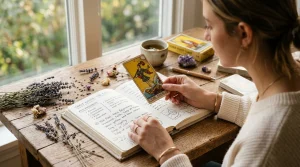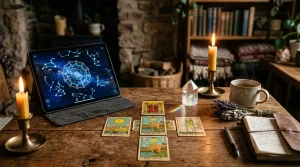
Have you ever felt a mysterious pull toward certain Tarot cards? Discovering your unique Tarot card isn’t just a fun pastime; it can illuminate your soul archetype, reflecting your inner self and guiding your journey. By understanding which cards resonate with you, you can unlock deeper insights into your personality, desires, and even your life’s purpose. Whether you’re a curious beginner or an experienced reader, this exploration invites you to connect more profoundly with Tarot, enhancing your intuition and spiritual path. Throughout this guide, you’ll learn simple methods to identify your Tarot card, allowing you to embrace its meaning with confidence. Dive in to unveil the magic waiting for you and see how your Tarot journey can empower you in everyday life. Your soul’s story is rich and vibrant-let’s uncover the messages the cards hold for you!
How Tarot Cards Reflect Your Inner Self
Every tarot card holds a mirror to our inner selves, reflecting our experiences, emotions, and aspirations. This connection makes tarot more than just a tool for divination; it serves as a powerful mechanism for self-discovery and personal growth. Each card represents not only archetypal energies but also specific aspects of the human experience. When you engage with tarot, you embark on a journey that helps illuminate your subconscious thoughts, fears, and desires, often revealing insights you didn’t know were there.
To see how tarot cards can embody your soul archetype, consider the imagery and symbolism they present. For instance, The Fool represents new beginnings and the power of spontaneity, suggesting a part of you that craves adventure and fearlessness. On the other hand, The Hermit conveys introspection and wisdom, reflecting a desire for solitude and deeper understanding. By recognizing which cards resonate with you personally, you can gain clarity on your inner motivations and how they shape your interactions with the world.
Engaging with tarot as a tool for reflection also reinforces the importance of asking the right questions. Rather than merely seeking answers about external circumstances, contemplate your emotional landscape or future aspirations. A simple spread can deepen this exploration:
- What am I currently feeling? – Draw a card to uncover your emotional state.
- What do I desire most at this moment? – Identify a card that reflects your deepest wishes.
- What obstacles do I face? – Analyze a card that represents challenges in your path.
By framing your tarot practice in this way, you create space for meaningful revelations about your true self. This approach not only enhances your connection with the cards, but it also fosters a more profound understanding of your spiritual journey. As you delve into your readings, allow intuition to guide you, making connections that resonate with your personal experiences and values. Over time, each interaction will enrich your awareness of who you are and who you aspire to be, transforming tarot into a catalyst for ongoing personal evolution.
Understanding Tarot Archetypes and Their Meanings
The world of Tarot is steeped in rich symbolism and deep archetypes that can resonate powerfully with our individual journeys. Each card in the Tarot deck embodies universal themes and experiences, offering insights into our character and life paths. Understanding these archetypes is essential for navigating your own spiritual exploration and discovering which cards reflect your soul’s essence.
Tarot archetypes can be viewed as mirrors, reflecting our deeper selves through their vivid imagery and meanings. For instance, The Magician represents manifestation and resourcefulness, inviting you to harness your unique skills to shape your reality. This archetype can speak to those who feel a strong urge to create change in their lives. Conversely, The High Priestess embodies intuition and mystery, reminding you to trust your inner voice and explore your subconscious. Identifying which archetypes resonate with you can illuminate your strengths and areas for growth.
To explore these archetypes further, consider keeping a Tarot journal. When you draw a card, take a moment to reflect on its imagery and associations. Ask yourself:
- What emotions does this card evoke in me?
- How does this archetype relate to my current life situation?
- Do I see aspects of myself in this card, and if so, how can I embrace or balance them?
This practice not only deepens your understanding but also allows you to connect personally with the cards, transforming your readings from mere fortune-telling into profound self-exploration.
Moreover, you can create a personal Tarot spread focused on exploring your archetypes. Draw a card for each aspect of your life-career, relationships, spirituality, and personal growth. This approach can provide a comprehensive view of how different energies shape your experience and can guide your decisions moving forward.
In embracing the archetypes of Tarot, you’re not just seeking knowledge; you’re engaging in an intimate dialogue with your inner self. This journey paves the way for profound insights and personal transformation, turning the Tarot into a powerful companion on your path of self-discovery.
Finding Your Personal Tarot Card: A Step-by-Step Guide
Finding your personal Tarot card can be a transformative journey, providing deeper insights into your soul’s archetype and guiding you toward self-discovery. Each card in the Tarot deck encapsulates universal themes that resonate with our experiences, making the process of identification both enlightening and empowering. Here’s a step-by-step approach to help you uncover your unique Tarot card, aligning it with your personal path.
Connect with Your Intuition
Begin by creating a serene environment where you can relax and focus. Take a few deep breaths and center yourself. Ask your intuition to guide you as you explore the Tarot. You might consider writing down your intentions or feelings about this exploration, which emphasizes your connection to your inner self.
Selecting Your Deck
Choose a Tarot deck that speaks to you visually and energetically. Each deck has its own style and symbolism. If you’re unsure, look through different decks online or at a local metaphysical shop. Pay attention to the images that evoke strong feelings or memories; these often have personal significance.
Draw Your Card
Once you’ve connected with your deck, it’s time for the card draw. You can do this in various ways:
- Single Card Draw: Shuffle the deck while focusing on your desire to find your personal card, then draw a single card. This card represents your current essence.
- Three Card Spread: Draw three cards. The first can represent your past, the second your present, and the third your future. Look for patterns or messages that speak to your journey.
Interpreting Your Card
Take time to reflect on the imagery and symbolism of the card(s) you’ve drawn. Make use of Tarot books or online resources to uncover deeper meanings, but remember that your intuition is your best guide. Ask yourself:
- What emotions arise when I see this card?
- How do the themes represented in the card relate to my life experiences?
- What qualities or lessons does this card encourage me to embrace or challenge?
By contemplating these questions, you can draw connections between the Tarot card and your personal narrative.
Integration into Daily Life
Finally, consider how this card can serve as a guiding force in your daily life. Create rituals or affirmations around your card to help you integrate its lessons. For instance, if The Empress reflects your nurturing qualities, you might focus on self-care practices that enhance your creativity and abundance.
Finding your personal Tarot card is not just about identifying a singular image; it’s about engaging with a vision that resonates throughout your life’s journey. By embracing this process, you create an ongoing pathway for growth and reflection that enhances both self-awareness and personal development.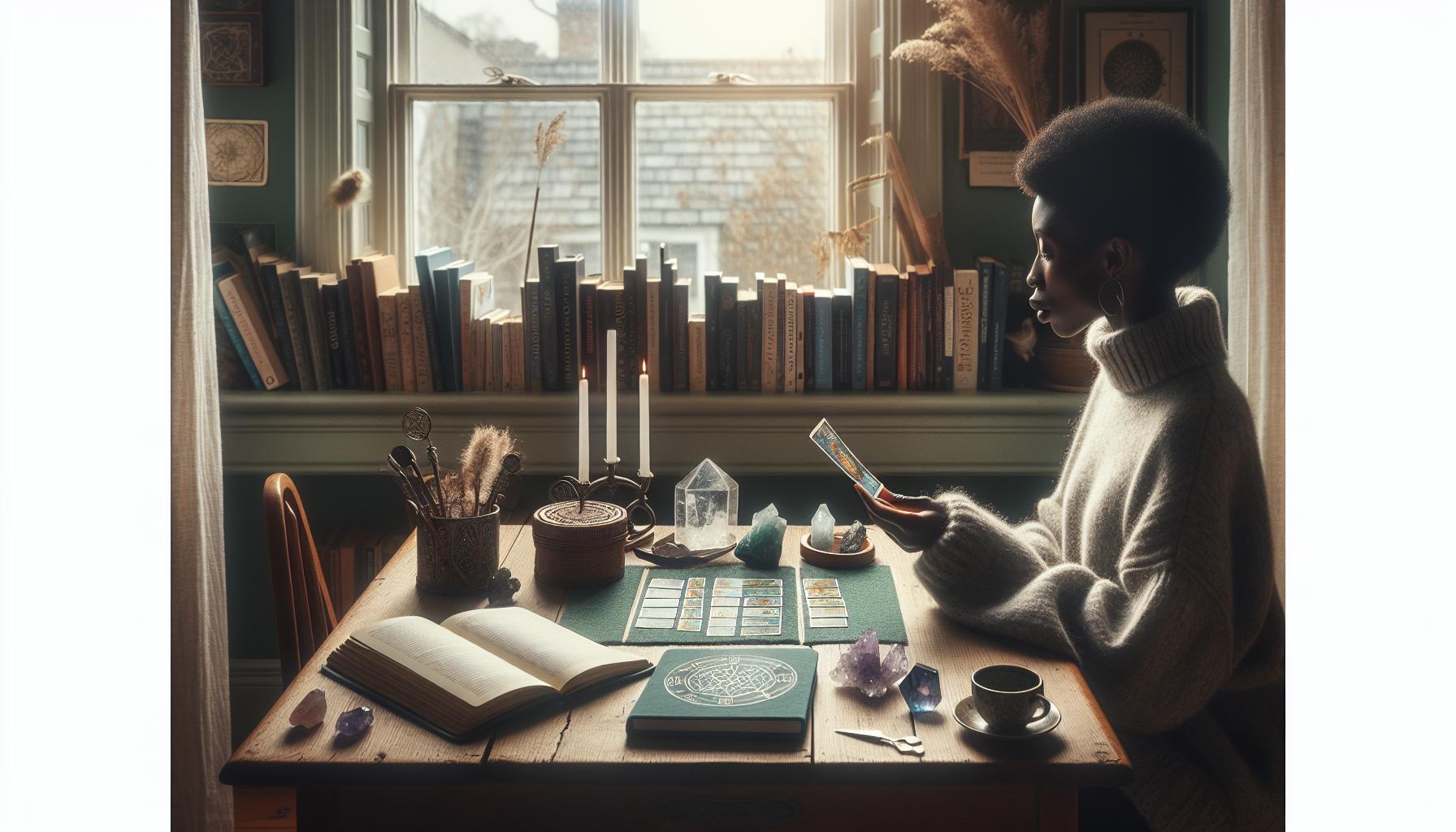
The Connection Between Your Soul and Tarot
Every individual possesses a unique spiritual essence, and Tarot serves as a profound lens through which we can uncover and understand that essence. The connection between your soul and the Tarot is not arbitrary; it is rooted in the archetypal symbols that resonate deeply within us. Each card in the Tarot deck, from The Fool to The World, encapsulates universal themes and emotions that reflect our inner experiences. Engaging with these cards can unlock insights into who you are at your core and guide you in aligning with your true self.
As you delve into your Tarot journey, consider the various archetypes represented in the cards. For example, if you find yourself drawn to The High Priestess, this may signify that you are in a phase of introspection and intuition, urging you to trust your inner voice and explore your subconscious. Such connections help you recognize parts of yourself that may be dormant, providing a path toward personal growth and discovery.
To strengthen your link between soul and Tarot, practice regularly drawing cards with intention. Ask questions about your current state, desires, or challenges, allowing the symbolism to spark reflections that connect with your experiences. For instance, if you draw The Tower during a period of upheaval, reflect on how this card speaks to transformation and renewal, rather than just chaos. Embrace the perspective that these insights can offer-viewing life’s challenges through the lens of Tarot can empower you to navigate them with wisdom and resilience.
As you continue this exploration, remember that each reading is a dialogue between you and the universe. Allow your intuition to guide you-not just in interpreting the cards, but in understanding how their messages resonate with your unique soul narrative. By cultivating this relationship, you find not only a tool for divination but also a journey toward greater self-awareness and authenticity. The Tarot is accessible to everyone, nurturing a deeper understanding of your soul’s journey, no matter your level of experience.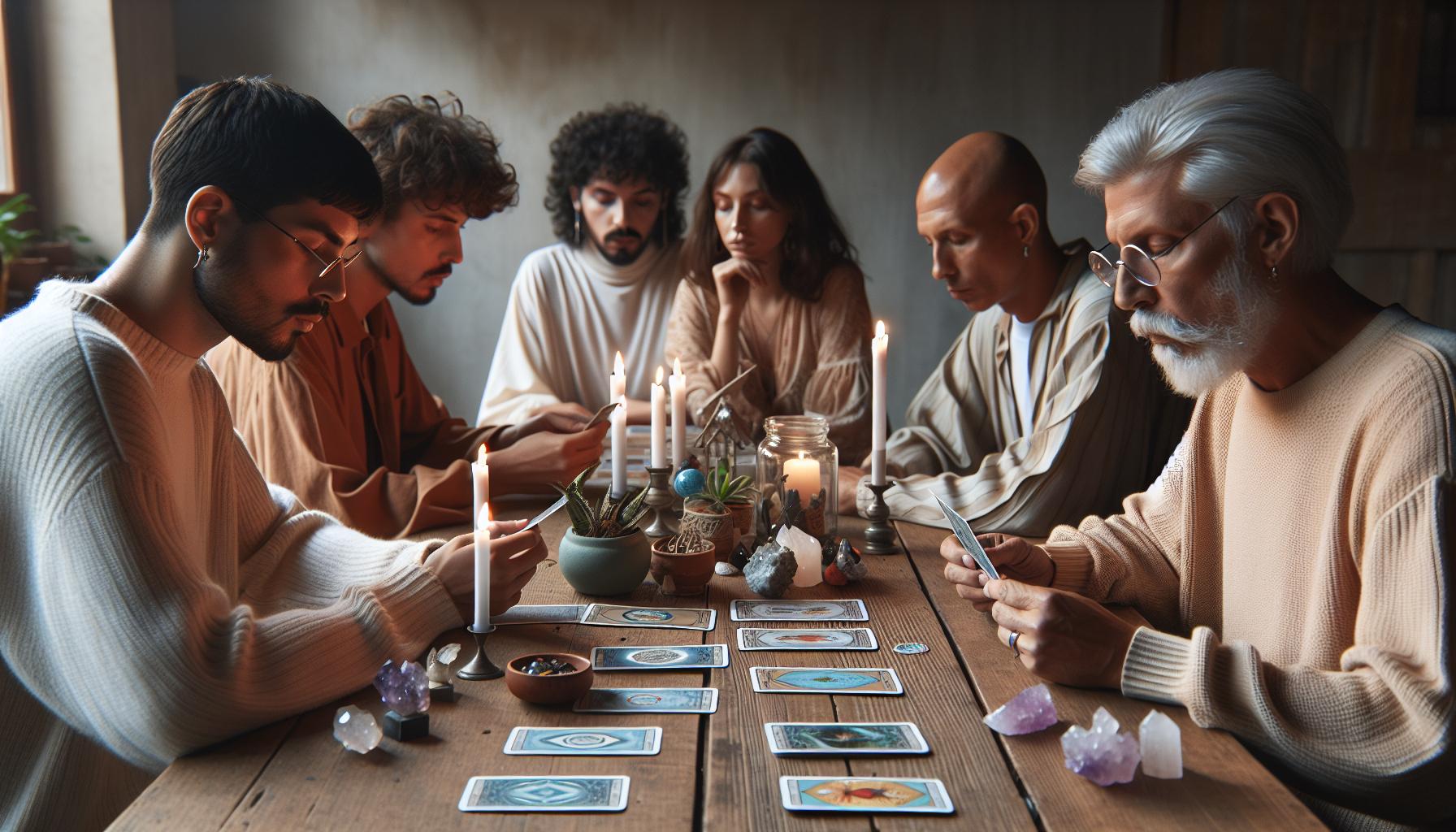
Interpreting Your Card: Insights and Personal Growth
Interpreting your Tarot card offers a profound avenue for insights and personal growth. When you draw a card, it represents not just a singular moment or event but also an invitation to delve deeper into your psyche. Each card carries rich symbolism that can reflect your current emotional climate, potential challenges, or areas for development. For example, pulling The Empress may highlight your nurturing qualities or urge you to embrace creativity and abundance in your life.
To effectively interpret your card, start by pausing to *connect with its imagery*. Reflect on your feelings upon seeing the card-what emotions or memories arise? This initial response is often your intuition speaking, guiding you toward personal insights. Next, consider the card’s traditional meanings. For a beginner, it can be helpful to consult a Tarot guidebook or use online resources to understand the essential themes associated with the card. However, don’t let this information box you in; let your personal connection shape your interpretation.
Practical Steps for Interpretation
- Study the Symbolism: Look closely at the images, colors, and figures on the card. What stands out to you? How do these elements relate to your current situation?
- Journal Your Thoughts: Write about your impressions, feelings, and any questions that arise. This process can help clarify your thoughts and deepen your understanding.
- Connect with Your Intuition: Ask yourself how the card resonates with your life right now. What aspects of your experience does it reflect? Trust in your ability to gain knowledge from the intuitive messages that emerge.
For instance, consider a scenario where you draw the Ten of Cups, a card that signifies emotional fulfillment and harmony within relationships. In reflecting on this card, you might think about your current connections and how they contribute to your happiness. Perhaps it encourages you to appreciate these relationships more or prompts you to resolve any underlying tensions you haven’t addressed.
Remember, interpreting your cards is as much about the questions you ask as it is about the card meanings themselves. Be curious about your life, and use the cards as a mirror to enhance your understanding of yourself. Envision this practice not just as divination but as an ongoing dialogue between you and your inner self. By regularly engaging with your Tarot cards, you cultivate a relationship that leads to deeper insights and personal growth-adding layers of meaning to your life journey.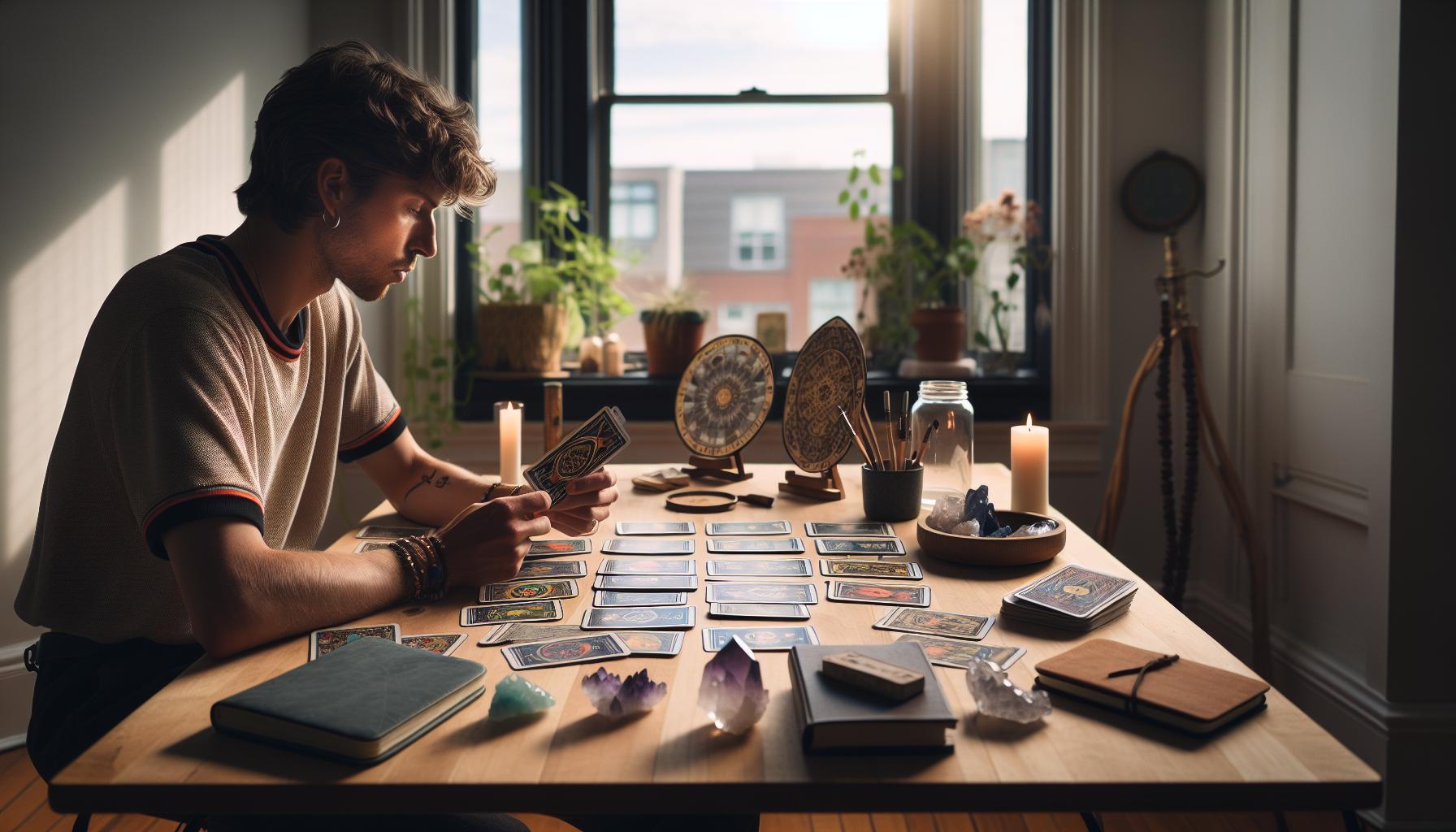
Exploring Tarot Decks: Choosing the Right One for You
Choosing the right Tarot deck can deepen your connection to the cards and enhance your reading experience. With so many options available, it’s essential to find a deck that resonates with your personal styles, beliefs, and spiritual path. Remember, a Tarot deck is not just a tool; it’s an extension of your intuitive self. Consider it as a partner on your journey of self-discovery and reflection.
Start by exploring the art styles of different decks. Traditional decks like the Rider-Waite-Smith are rich in symbolism and have a classic appeal, making them excellent for beginners. Alternatively, if you are drawn to modern interpretations, you might explore decks with unique themes, such as the Wild Unknown or the Modern Witch Tarot. Each deck offers a different visual experience that can evoke distinct feelings and insights during your readings. Pay attention to what attracts you – colors, imagery, or even the overall vibe of the deck can significantly influence how you connect with the cards.
Once you’ve narrowed down your options, take time to handle the decks physically. Visit a local metaphysical or bookstore where you can flip through the cards. This tactile experience helps you gauge your emotional response to the deck. Does the imagery speak to you? Do you feel excited or calm when holding it? Your intuition can guide you to the right choice, ensuring that the deck you select feels like a natural fit for your journey.
Additionally, consider the accompanying guidebook. Some decks come with comprehensive guides that explain card meanings, spreads, and techniques tailored to that deck’s specific imagery. If you’re starting, a deck with a well-structured guidebook can be incredibly helpful. Look for one that matches your skill level – whether you’re a beginner or an adept reader looking for deeper insights, the right book can enhance your understanding.
As you choose your deck, remember that there’s no right or wrong choice; it’s about what resonates with you. Embrace the process as a part of your exploration, trusting that your ideal Tarot deck will reveal itself in the most organic way. With the right deck in hand, you’ll enhance your readings and discover new facets of your inner self, allowing your understanding of your soul archetype to unfold beautifully.
The Role of Intuition in Tarot Reading
Understanding is a journey into the self. While studying card meanings and spreads can provide structure, it’s your intuition that breathes life into your readings. Intuition is inherently personal, serving as a bridge between your conscious mind and your inner wisdom. It guides you in interpreting the cards in ways that are deeply relevant to your life, allowing you to discover patterns, relationships, and insights that might otherwise remain hidden.
When you draw cards, your instincts begin to awaken. This can manifest as a feeling, a flash of insight, or even a symbolic image that pops into your mind. For instance, if you draw the Two of Cups while inquiring about a relationship, your intuition may lead you to consider not just romantic partnerships, but also connections in your life where mutual understanding is paramount. The imagery of the card, which often depicts two people or chalices, can help you feel the depth of emotional exchanges, urging you to explore the dynamics at play.
To strengthen your intuitive abilities, practice is key. Here are some practical steps to enhance your connection with your intuition during Tarot readings:
- Establish a Calm Setting: Create a calming atmosphere that allows your mind to settle. This could mean lighting a candle, playing soft music, or simply sitting in a quiet space.
- Engage in Mindfulness: Before you begin your reading, take a few moments to breathe deeply and ground yourself. This helps clear distractions and heightens your awareness.
- Trust Your First Impressions: When you draw a card, allow yourself to react instinctively. What feelings or thoughts arise immediately? Write them down before analyzing the card’s traditional meanings.
- Keep a Tarot Journal: Document your readings and the intuitive insights you receive. Over time, you’ll notice patterns and deepen your understanding of your unique intuitive language.
Remember, your intuition isn’t about being “right” or “wrong”; it’s a tool for personal exploration. Celebrate moments when your insights resonate with your experiences, and don’t be discouraged by instances when they don’t. Each reading brings you closer to understanding your soul archetype and the mysteries within yourself. As you develop this intuitive skill, Tarot transforms from a mere tool into a reflective practice for your spiritual growth, inviting you to explore the rich layers of your existence.
Advanced Techniques for Deepening Your Tarot Practice
To truly deepen your Tarot practice and uncover your soul archetype, engaging with the cards on multiple levels is essential. Think of your Tarot deck as a living library of wisdom, where each card carries not only distinct meanings but also rich symbols that can resonate with your experiences and emotions. Here are advanced techniques that can elevate your understanding and connection with your Tarot cards.
Layering Card Meanings
One effective method is to layer meanings by combining different interpretations. For example, if you draw the Magician alongside the Ten of Swords, consider not just the meanings of each card in isolation but how they interact. The Magician represents manifestation and potential, while the Ten of Swords often signifies endings or betrayal. Together, they may suggest a powerful transformation that arises from difficult circumstances-urging you to harness your abilities to create a new beginning after hardship. This technique encourages you to think critically and delve deeper into the narrative the spread tells.
Daily Draws for Introspection
Incorporating a daily draw can significantly enhance your intuitive skills. Spend a few moments every morning drawing a single card and reflect on its implications for the day ahead. Use the imagery and traditional meanings as jumping-off points-but allow your personal circumstances and feelings to guide your interpretation. For instance, if you draw the High Priestess, consider how her themes of intuition and mystery might manifest in your daily life. Record your thoughts in a Tarot journal, noting how the card’s energy influenced your day. This practice not only builds familiarity with each card but also strengthens your capacity for personal insight.
Developing a Personal Tarot Ritual
Creating a ritual around your Tarot practice can deepen your connection to the cards. What do you want to feel while reading? Do you prefer meditative music, or perhaps lighting candles to create a sacred space? Establishing a consistent ritual helps program your mind to focus on the reading’s intent. As part of this, include a grounding exercise, such as a short meditation, to clear your mind before you start. The more you attune your physical and mental environment to your reading, the more impactful your sessions will become.
Exploring Tarot Archetypes
Lastly, take time to explore and embody the archetypes represented in your deck. Each major arcana card symbolizes different aspects of the human experience. By actively engaging with these archetypes-perhaps through creative expression like art or writing-you can cultivate a deeper understanding of your soul’s journey. For instance, explore how the energy of The Lovers can reflect decisions about love and relationships in your life or how the Chariot might signify your drive toward a personal goal.
By applying these techniques, you can create a richer and more engaged Tarot practice, allowing your readings to reveal profound insights about your inner self and life path. Embrace the journey, and remember that personal growth often aligns closely with the stories that unfold through your cards.
Common Misconceptions About Tarot and Its Purpose
Many people encounter misconceptions about Tarot that can cloud their understanding and inhibit their ability to connect with the cards. One of the most common myths is that Tarot serves solely as a fortune-telling tool. In reality, Tarot is a versatile system for self-reflection and personal growth. It encourages users to explore their inner selves, offering a mirror to their thoughts, feelings, and beliefs. Think of a Tarot reading as a conversation with your intuition, rather than a strict prediction of future events.
Another prevalent misunderstanding is that Tarot readings dictate a singular, unchangeable fate. This notion can be intimidating, especially for those who are new to Tarot. However, the truth is that Tarot reveals possibilities and potentials rather than definitive outcomes. For example, if you draw the Tower card, which signifies upheaval, it doesn’t mean doom is inevitable. Instead, it invites you to examine the changes in your life and encourages you to adjust your path or perspective proactively. By recognizing that you hold the reins of your destiny, you empower yourself to make conscious choices that align with your true self.
It’s also important to dismantle the idea that Tarot is inherently linked to “dark” or “negative” energies. While it’s true that some cards explore challenging themes, such as the Death or the Devil card, these are not to be feared. They represent transformation, endings, or confronting fears-essentially vital aspects of the human experience. Embracing the full spectrum of Tarot allows for a nuanced understanding of one’s life journey, promoting healing and growth rather than fear.
Lastly, people often assume that only a select group of individuals-those with special powers or esoteric knowledge-can successfully read Tarot cards. In truth, Tarot is accessible to everyone, regardless of their background. Anyone can learn to interpret the cards, and personal intuition plays a vital role in the process. With practice, you can cultivate your unique reading style, allowing the cards to resonate deeply with your personal experiences and insights. By shifting perspective to view Tarot as a tool for self-discovery rather than a mystical enigma, you can unlock its profound potential for guiding your life’s journey.
Integrating Tarot with Other Spiritual Practices
Integrating Tarot into your existing spiritual practices can elevate your self-understanding and enrich your journey. Whether you practice meditation, astrology, or mindfulness, layering Tarot into these routines offers a way to deepen your insights and clarify your spiritual path. For instance, consider using Tarot cards as focal points during your meditation sessions. You might select a card that resonates with your current emotional or spiritual state and contemplate its symbolism and messages. This practice not only helps to ground your meditation but also provides a personal touchstone to explore during quieter moments.
Combining Tarot with Meditation
When integrating Tarot with meditation, choose a quiet space where you can reflect without distractions. Here’s a simple step-by-step approach:
- Select a Card: Choose a Tarot card that speaks to you, whether intuitively or based on what you’re currently facing in life.
- Set Your Intention: Before you begin your meditation, determine what insight or clarity you seek from this card.
- Close Your Eyes: Take deep breaths, allowing your body to relax and your mind to settle.
- Visualize the Card: Picture the card in detail, allowing its imagery and colors to wash over you. Notice any feelings or thoughts that arise.
- Reflect on Its Meaning: After several minutes, gently open your eyes and journal your reflections on the card’s message, relating it to your intention.
By repeating this practice regularly, you’ll find that your understanding of your chosen card deepens, offering new insights each time.
Tarot and Astrology
If you’re also interested in astrology, you can harmonize the two by examining how specific Tarot cards correspond with your astrological chart. For instance, the Moon card (representing intuition, dreams, and the unconscious) correlates with the watery, introspective energies of Pisces. By exploring these relationships, you can gain a more comprehensive view of your soul’s archetype and how your personal experiences align with larger universal themes.
Incorporating Intuitive Writing
Another effective method of integrating Tarot into spiritual practice is through intuitive writing. After pulling a card, spend some time writing freely about what it invokes within you. Allow your subconscious to flow onto the page without judgment. This can be incredibly liberating and often reveals hidden truths about your inner self and emotional landscape. You might write about questions like, “What message does this card hold for me today?” or “How does this card reflect my current life situation?”
In essence, integrating Tarot with your spiritual practices invites a multitude of perspectives and avenues for growth. By viewing Tarot not just as a stand-alone tool, but as a dynamic part of your spiritual toolbox, you can navigate your path with greater confidence and understanding. Embrace this journey of exploration, and let each card you draw illuminate your way forward.
Real-Life Tarot Reading Examples for Clarity
In the world of Tarot, real-life reading examples can illuminate how each card connects to our personal journeys, revealing insights about our soul archetypes. Consider the case of Jamie, who draws the Empress card during a reading centered around career choices. As the Empress embodies abundance, creativity, and nurturing energy, Jamie reflects on her role in her workplace-how she supports her colleagues and encourages innovative projects. This card prompts Jamie to consider how her nurturing tendencies can be harnessed to create a more fulfilling work environment, shifting her perspective from merely getting the job done to cultivating a thriving space for creativity.
Another illustrative example features Eli, who pulls the Hermit in a reading focused on personal growth. The Hermit signifies introspection and soul-searching, guiding Eli to seek solitude for self-discovery. During a reflection session, Eli recognizes patterns of external validation that have distracted him from his true desires. This realization opens the door to focusing on his passions, allowing him to prioritize personal fulfillment over societal expectations. By leaning into the energy of the Hermit, Eli starts a journaling practice that aids in clarifying his goals and aspirations, reinforcing the importance of introspection in his journey.
For beginners intrigued by Tarot, it’s useful to approach readings with questions that invite clarity. One might ask, “What aligns with my true self?” When drawing cards, consider their individual meanings in the context of your life. For instance, if you draw the Fool, which represents new beginnings and spontaneity, reflect on areas in your life where taking risks might lead to growth. This simple question and associated card can provide profound insights into one’s current path and aspirations.
As you develop your reading practice, keep a journal of your experiences and the insights gained. Documenting your readings allows you to track personal growth over time and review recurring themes and archetypes that may emerge. By using these real-life examples and practical approaches, Tarot can be a powerful tool for clarity and self-discovery, guiding you on your unique spiritual journey.
How to Use Your Tarot Card for Daily Guidance
Incorporating Tarot cards into your daily routine can be a transformative practice, offering a constant source of inspiration and insight. Each card in the Tarot deck resonates with specific energies and archetypes that reflect different aspects of our lives and inner selves. By intentionally drawing a card each day, you can tap into this wisdom, allowing your personal Tarot card to guide you through various situations, choices, and emotions you may encounter.
To begin, start your day with a simple ritual. Each morning, take a moment to center yourself, perhaps through deep breathing or a brief meditation. Once you feel calm and focused, shuffle your Tarot deck while thinking about the question, “What energy do I need to embrace today?” Pull a card from the deck and take a moment to reflect on its imagery and meaning. For instance, if you draw the Sun, this card may encourage you to embrace joy and optimism, suggesting that today is a perfect opportunity to engage with others and spread positivity.
It’s beneficial to jot down your card and insights in a journal along with any experiences throughout the day that resonate with the card’s message. This practice not only reinforces the teachings of the card but also helps you track your personal journey over weeks and months. As you look back, you may notice patterns-perhaps the appearance of certain cards during challenging times or moments of joy-which can enhance your understanding of your own emotional landscape and spiritual growth.
To enrich this practice further, consider pairing your daily card with a mantra or intention. If you pull the High Priestess, representing intuition and inner wisdom, you might set an intention to “trust my instincts” throughout the day. This elevates your awareness and encourages you to seek alignment with your deeper self in your decision-making.
Using your Tarot cards for daily guidance is not just about predictions; it’s a deeply personal exploration of your inner world. With every reading, you strengthen your intuition, allowing Tarots to serve as a mirror reflecting your thoughts, feelings, and potential paths forward. Embrace this mystical tool as an ally on your journey of self-discovery.
Frequently asked questions
Q: How do I choose my personal tarot card?
A: To choose your personal tarot card, start by meditating on your life experiences and aspirations. Shuffle your deck, focusing on your intention, then draw a card. This card will resonate with your current life path. Refer to the section on Finding Your Personal Tarot Card in the article for a detailed guide.
Q: What are tarot archetypes?
A: Tarot archetypes represent symbolic themes and characters represented by the cards, reflecting aspects of our personality and life journey. Each Major Arcana card embodies a universal theme, while Minor Arcana cards explore specific experiences. Consider reading about Understanding Tarot Archetypes and Their Meanings in the article for deeper insights.
Q: How does my soul relate to my tarot card?
A: Your tarot card can act as a mirror of your soul’s essence, highlighting strengths and challenges in your life. By understanding your card, you can gain clarity on your spiritual growth and purpose. Discover this connection more fully in the section on The Connection Between Your Soul and Tarot.
Q: Can I find my tarot card online?
A: Yes, you can find your tarot card online using tools and resources that allow you to pull cards digitally. Websites often feature quick readings and interpretations. For example, you might explore an instant digital yes or no tarot reading for a simplified approach [[1]].
Q: What do I do with my personal tarot card once I find it?
A: Once you’ve identified your personal tarot card, use it as a focal point for meditation and self-reflection. Integrate it into daily practices, such as journaling or creating a dedicated altar space. Refer to the section on How to Use Your Tarot Card for Daily Guidance for practical advice.
Q: Why is intuition important in tarot reading?
A: Intuition is crucial in tarot reading as it helps you connect deeply with the cards and their meanings. Trusting your gut feelings can lead to profound insights and more meaningful interpretations. To enhance your intuitive skills, check out the guidance in The Role of Intuition in Tarot Reading.
Q: How can tarot support my personal growth journey?
A: Tarot can support personal growth by providing insights into your behaviors, emotions, and reactions. It acts as a roadmap for self-discovery and decision-making. Engaging with your cards regularly can foster deeper understanding-see Interpreting Your Card: Insights and Personal Growth for more methods.
Q: Are there misconceptions about tarot I should be aware of?
A: Yes, common misconceptions include the belief that tarot is purely fortune-telling or that it requires special powers. In truth, tarot is a tool for reflection and self-discovery available to everyone. Learn more in the Common Misconceptions About Tarot and Its Purpose section.
In Summary
Now that you’ve uncovered the path to finding your tarot card and embraced your soul archetype, it’s time to take the next step in your tarot journey. Whether you’re a curious beginner or a seasoned reader, cultivating your intuitive abilities will deepen your understanding and connection to the cards. Don’t let this moment pass; engage with our Daily Tarot Reading to enhance your daily insights, or explore our 3-Card Tarot Career Reading for guidance in your professional life.
Have questions or insights to share? We invite you to leave a comment below or connect with others in our community who share your passion. Don’t forget to sign up for our newsletter for more mystical tips and exclusive content directly to your inbox! Dive into your tarot practice with confidence and remember, your journey is just beginning. Keep exploring the magic within and around you!
Get our latest guides, news, and insights highlighted in your Google Search & AI Overviews.