
The question of whether tarot reading is a sin often sparks intense debate among various religious groups, making it crucial to explore these perspectives thoughtfully. Tarot cards, rich in symbolism and lore, can serve as powerful tools for self-reflection and intuition. However, many people grapple with their spiritual implications. Are they merely a form of guidance, or do they stray into forbidden territory?
This exploration invites both skeptics and believers alike to delve into how different faiths view tarot and its place in spiritual practices. By understanding diverse opinions, readers can navigate their own beliefs about tarot and its potential role in their lives. Join us as we unravel the complexities surrounding this mystical art, and perhaps discover a new perspective that honors both curiosity and faith.
Exploring the Origins of Tarot Reading
The origins of tarot reading are steeped in both mystery and history, inviting us to explore a rich tapestry of cultural influences and spiritual significance. Historically, tarot cards emerged in the 15th century, initially serving as playing cards in Europe. However, their symbolic depth began to flourish in the 18th century when they were adopted for divination and self-reflection. This transformative shift marked the beginning of tarot’s journey as a spiritual tool, intertwining with various mystical traditions such as Kabbalah, astrology, and alchemy. The imagery on the cards, often vibrant and complex, serves as a mirror reflecting our inner thoughts, challenges, and aspirations, making tarot accessible to both the curious seeker and seasoned practitioner.
In understanding tarot’s connection to spirituality, it’s essential to recognize its role as a tool for introspection. Each card carries multilayered meanings that can resonate differently with individual experiences, promoting a personal dialogue with one’s subconscious. For instance, the Fool card, often depicting new beginnings and potential, invites the reader to explore themes of adventure and spontaneity in their lives. This reflective aspect aligns with many spiritual beliefs that emphasize self-awareness and personal growth, suggesting that tarot can serve as a bridge between the mundane and the mystical.
As one navigates the complexities of tarot within various religious frameworks, it’s vital to approach it with an open mind and heart. While some may perceive tarot as contrary to their spiritual beliefs, others find it compatible with their quest for understanding and enlightenment. This discord often stems from differing interpretations of what constitutes divination and its implications on faith. Therefore, it is crucial for practitioners and seekers alike to consider their intentions: using tarot as a guide can lead to profound insights and personal revelations, fostering a greater sense of connection to the universe and one’s spiritual path.
Ultimately, the evolution of tarot transcends its origins, inviting everyone-whether skeptics or believers-to find wisdom and guidance within its cards. Through respectful engagement and mindful practice, tarot can become a valuable companion on the journey of self-discovery and spiritual exploration, highlighting the importance of balance and understanding in our diverse beliefs. As you delve into tarot readings, remember that they are not merely a means of fortune-telling but a profound opportunity for reflection and insight.
The Historical Context of Tarot in Religion
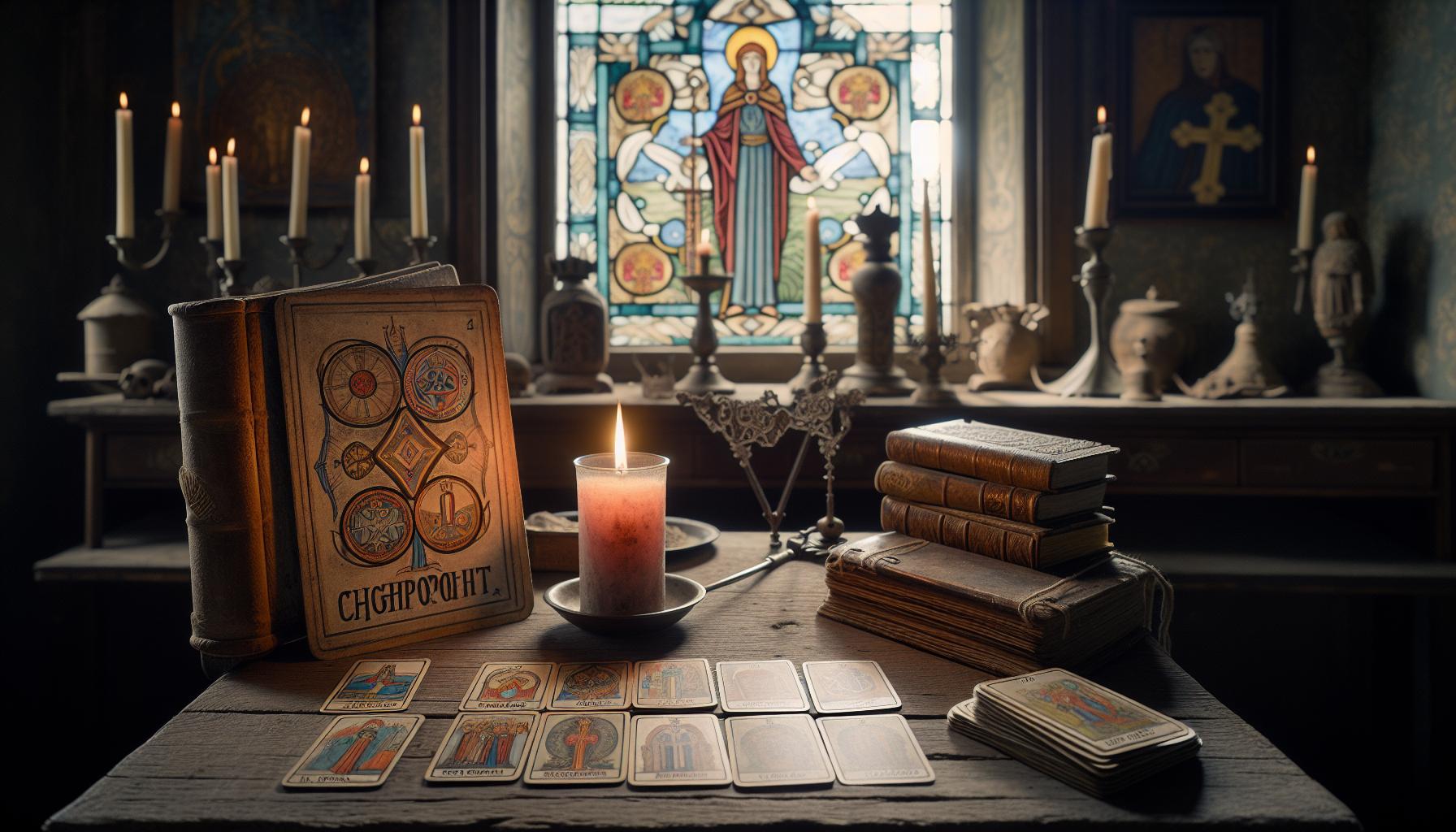
Throughout history, tarot has woven its way through various religious and spiritual landscapes, often reflecting the beliefs and practices of the societies that embraced it. Emerging in the 15th century as simple playing cards in Europe, tarot cards gained their mystical significance in the 18th century when they became associated with divination and personal insight. This transition marked a pivotal moment, as tarot began to incorporate complex symbolism pulling from Kabbalistic teachings, numerology, and even astrology. Each card, rich with imagery and archetypal narratives, serves not only as a tool for fortune-telling but also as a mirror to the soul, prompting introspection and self-discovery.
Understanding tarot requires recognizing its historical context within various religious frameworks. Different spiritual traditions have approached tarot with diverse perspectives. For instance, some branches of Christianity view tarot skeptically, considering it a form of divination that could distract from divine guidance. In contrast, other spiritual paths, such as certain New Age movements, embrace tarot as a means to connect with higher consciousness and explore one’s inner truths. This divergence often leads practitioners to question the ethical implications of tarot reading within their respective belief systems.
To navigate these waters effectively, it is essential to cultivate an understanding of how tarot can coexist with spiritual practices. Practitioners can approach tarot readings with intention, aligning their usage of the cards with their spiritual beliefs. Using tarot as a reflective practice rather than a definitive source of knowledge can bridge the gap for those conflicted between faith and the curiosity that tarot invokes. For instance, a reading can be framed not as a prediction but as an opportunity for personal insight, inviting individuals to interpret meanings through the lens of their spiritual values.
Ultimately, the historical context of tarot within religion illustrates a complex relationship that continues to evolve. By embracing this rich heritage and remaining open to the diverse interpretations of tarot, individuals can find ways to integrate this ancient practice into their personal spiritual journeys-allowing tarot to become a channel for reflection, growth, and deeper understanding of oneself and the universe.
Common Religious Beliefs about Tarot
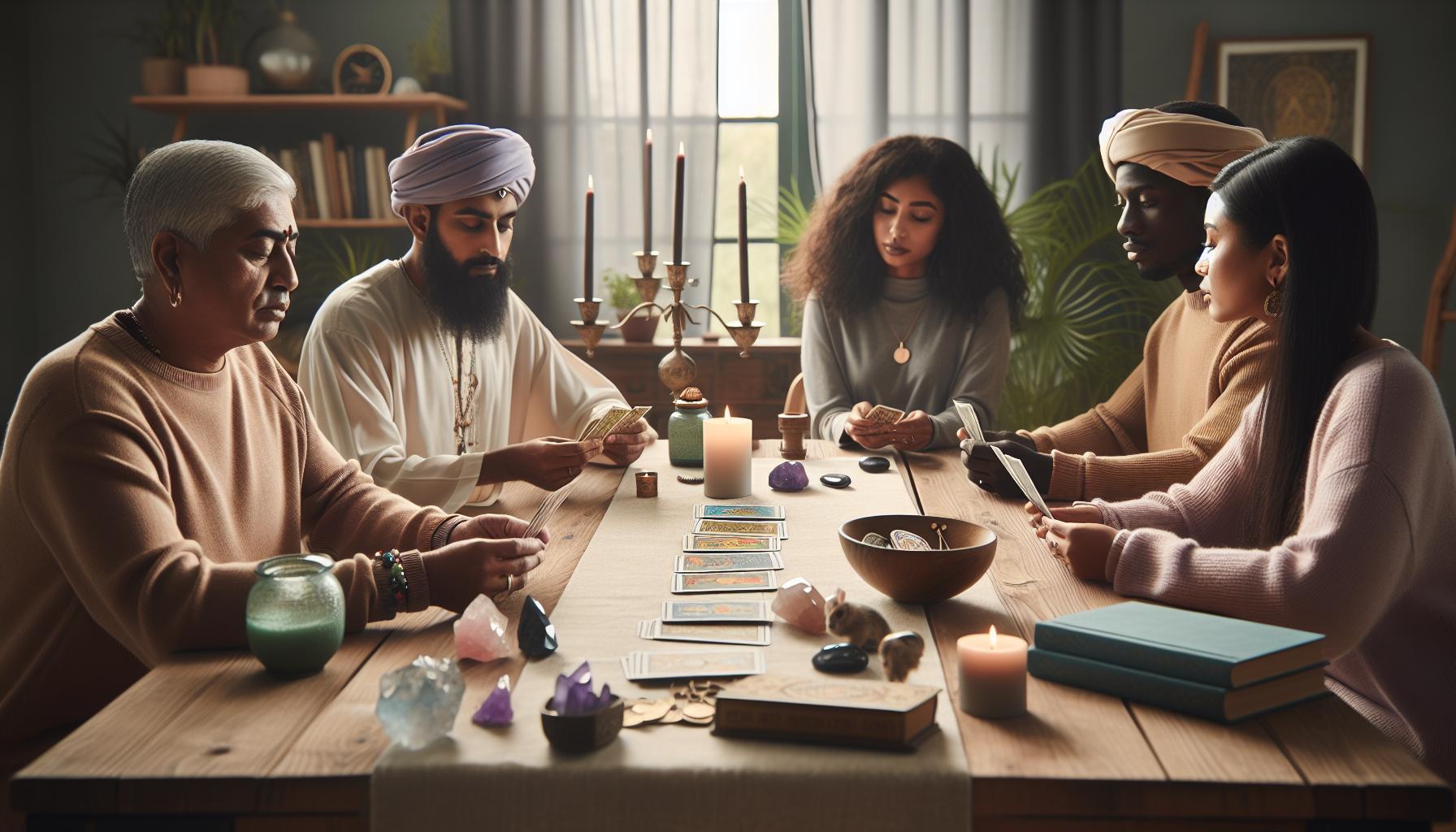
The world of tarot reading is imbued with a rich tapestry of beliefs, often shaped by the religious contexts in which they arise. This complexity can lead to a wide range of interpretations about the nature and morality of tarot practice. While some religious traditions view tarot as a potentially dangerous form of divination, others see it as a valuable tool for self-reflection and spiritual growth. Recognizing these diverse perspectives can help clarify whether tarot might be considered a sin and how it can fit into spiritual practices.
Many traditional branches of religion, including certain sects of Christianity, express disapproval of tarot reading. They often reference scriptural warnings against divination and seeking knowledge outside of divine revelation. For them, engaging with tarot can be seen as stepping away from reliance on God and opening oneself to misleading influences. This belief stems from a foundational principle: that spiritual guidance should come solely from prayer, scripture, and the church. In these contexts, tarot can appear threatening, leading adherents to perceive it as a sinful practice or a temptation of the devil.
In contrast, more progressive or New Age spiritualities embrace tarot as an instrument for connecting with higher consciousness and obtaining insights that can enhance personal growth. Practitioners in these spheres may regard the cards not as predictive tools but as mirrors reflecting one’s inner world. They encourage using tarot for introspection, healing, and empowerment rather than fortune telling. This approach positions tarot as compatible with spiritual development, inviting users to discover their own truths and navigate life’s uncertainties with clarity and wisdom.
Moreover, some individuals find themselves in a unique space where they blend tarot and their faith. They may view the cards as symbolic representations of spiritual principles or archetypes, using them to deepen their understanding of life’s lessons while remaining grounded in their religious beliefs. This integration of tarot can enrich one’s spiritual practice, allowing for a fuller exploration of intuition and self-awareness without necessarily abandoning established faith traditions.
Ultimately, the question of whether tarot reading is a sin is deeply personal and varies across religious backgrounds. It invites individuals to explore their beliefs, question inherited fears, and create their own path that honors both their spiritual values and their intuition. For those feeling conflicted, approaching tarot from a non-predictive, reflective standpoint can serve as a bridge between the worlds of spiritual guidance and self-discovery, potentially leading to a more harmonious integration of these elements in their lives.
Is Tarot Compatible with Major Religions?
Exploring the relationship between tarot and major religions reveals a complex landscape. While many traditional religions regard tarot as incompatible with their doctrines, owing to concerns about divination and reliance on non-divine sources for guidance, a substantial number of followers are finding ways to incorporate tarot into their spiritual practices. This integration reflects a broader trend in spiritual exploration, where personal intuition and ancient wisdom harmonize with established faith traditions.
Many adherents of Abrahamic faiths, particularly Christianity, often view tarot with skepticism. For them, scriptural passages that warn against divination foster a belief that seeking insight from tarot undermines one’s faith in God. This perspective is rooted in a historic belief that true spiritual knowledge must come from sacred texts and divine revelation. Yet, there exists a growing movement within Christianity that interprets tarot not as a tool of occult practices but as a means of personal reflection and enlightenment, encouraging a more nuanced understanding. Believers in this camp utilize tarot cards as prompts for prayer and meditation, allowing them to explore their inner landscapes while remaining faithful to their foundational beliefs.
In contrast, many Eastern religions and modern spiritual practices exhibit a more accepting stance toward tarot. For instance, in certain branches of Buddhism and Hinduism, tarot can be seen as a supplementary tool for meditation and self-discovery. The tarot’s rich symbolism resonates with the archetypes found in these traditions, encouraging users to reflect on their experiences and pursue deeper states of consciousness. By viewing tarot as a conduit for insight rather than prophecy, practitioners can engage with the cards in a way that feels both respectful to their cultural backgrounds and enriching to their spiritual journeys.
Thus, the compatibility of tarot with major religions ultimately depends on individual interpretations and experiences. For those wrestling with possible conflicts between their beliefs and interest in tarot, focusing on its reflective qualities can bridge this gap. By thinking of tarot as a metaphorical reflection of life’s challenges rather than a forbidden practice, individuals may find empowerment in integrating these insights into their faith lives. This approach encourages a dialogue between intuition and doctrine, allowing for a dynamic and personal spiritual practice that honors both inner guidance and religious tenets.
In summary, the journey towards understanding tarot’s compatibility with one’s faith can be empowering, serving to strengthen intuition and foster spiritual growth, regardless of religious background.
Understanding the Concept of Sin in Different Faiths
Understanding the notion of sin across various faiths can shed light on the complexities surrounding the use of tarot reading. Sin, at its core, refers to actions or thoughts that deviate from divine will or moral law. However, interpretations of what constitutes sin vary significantly between religions, influencing their stance on practices such as tarot reading.
In Christianity, sin is often understood through the lens of scripture, with many denominations viewing divination-including tarot-as fundamentally opposed to the teachings of the Bible. Passages from the Old Testament explicitly caution against consulting mediums or engaging in practices perceived as witchcraft. Yet, there exists a growing movement among modern Christians who argue that tarot can serve as a reflective tool, aiding individuals in their spiritual journey rather than acting as a replacement for divine guidance. These believers often see tarot as a medium for introspection, where the cards can prompt deeper understanding and prayerful meditation rather than predicting the future or invoking supernatural powers.
In contrast, Eastern philosophies such as Buddhism and Hinduism often have a more flexible interpretation of sin. These traditions emphasize personal responsibility and spiritual growth over strict moral codes. In many cases, tarot may be embraced as a tool for mindfulness and self-discovery, allowing practitioners to explore their thoughts and emotions without the same prohibitions found in the Abrahamic faiths. The focus here shifts from sin to the concept of karma-actions have consequences, and tarot can aid in making conscious choices aligned with one’s spiritual path.
Facilitating a dialogue about sin and tarot also involves recognizing the varied definitions of spiritual practice across cultures. For many, tarot becomes a means of exploration, representing an intersection between the divine and the human experience. Instead of viewing tarot reading as sinful, individuals may frame it as an act of self-reflection or spiritual inquiry. By doing so, they can reconcile their curiosity with their beliefs, fostering a growth-oriented approach to spirituality that embraces both personal insight and respect for their faith traditions.
Ultimately, the relationship between tarot reading and the concept of sin is influenced by individual beliefs and contexts. It can be empowering to approach tarot not as a forbidden practice but as a tool for understanding oneself, potentially leading to healthier, spiritually fulfilling decisions that align with one’s values across all faiths. By honoring these diverse perspectives, readers can engage with tarot in a way that respects both their spiritual heritage and their personal journey.
The Intersection of Tarot and Spiritual Practices
Exploring the depths of tarot reveals not only a tool for divination but a rich landscape where it intersects with various spiritual practices. Many individuals find tarot to be a profound means of self-exploration and spiritual reflection, serving as a bridge between the conscious mind and deeper intuitions. By engaging with tarot, you can unlock layers of personal insight that enrich your spiritual journey, regardless of your background or beliefs.
Tarot’s versatility as a spiritual tool can adapt to different practices. For those aligned with Buddhism, for instance, tarot may be utilized as a form of meditation. Each card can act as a prompt for mindfulness, inviting practitioners to reflect on their thoughts and emotions. When drawing the Eight of Cups, which symbolizes the pursuit of deeper meaning, it encourages contemplation on what is being left behind in favor of spiritual growth. This practice reinforces the importance of self-awareness and the transient nature of emotions-embracing impermanence is central to Buddhist philosophy.
On the other hand, in more Christian contexts, some practitioners see tarot as a method for prayer and reflection rather than a tool for fortune-telling. Rather than viewing each card as a prediction of the future, they interpret them as metaphors that highlight personal challenges and growth opportunities on their faith journey. For example, encountering The Hermit, which represents solitude and inner reflection, could inspire an individual to seek quiet moments for divine connection through prayer or contemplation. This approach fosters a deeper understanding of one’s life path while remaining respectful of Christian principles.
For many, the interaction with tarot can begin as a skeptical inquiry; however, it often evolves into a meaningful dialogue about spirituality and personal value systems. Whether you approach tarot with skepticism or faith, its function as a reflective tool can open up avenues for ethical consideration, promoting personal growth and clarity. By acknowledging the diverse beliefs surrounding tarot, you can integrate it thoughtfully into your spiritual practice, using it as a means of dialogue rather than dogma.
Embracing tarot means accepting it as a pathway-not a destination. No matter where you stand on the spectrum of belief, exploring tarot can lead to enrichening conversations about spirituality, morality, and personal responsibility. It empowers you to examine your life through a lens of curiosity and compassion, inviting a deeper connection with not just yourself, but also the greater universe. As you navigate this journey, remember that tarot is a collaborative practice; it invites your interpretations and insights, making it a powerful ally in your spiritual pursuits.
Personal Perspectives: Believers and Skeptics
The intersection of belief and skepticism regarding tarot is a rich tapestry woven from personal experiences, cultural backgrounds, and spiritual philosophies. For many believers, tarot serves as a sacred tool for self-reflection and divination, allowing them to connect with their intuition and gain insights into their life’s journey. They see the cards not merely as symbols, but as profound messages from the universe, guiding them toward clarity and understanding. For instance, drawing the High Priestess might prompt a seeker to explore their inner wisdom or face repressed emotions, reinforcing the idea that the cards can illuminate hidden truths.
Conversely, skeptics often approach tarot with caution, viewing it through a lens of skepticism rooted in logical reasoning. They may question the validity of tarot readings as mere coincidence or psychological projection. This skepticism can be healthy as it encourages critical thinking and personal exploration of beliefs about fate and free will. For example, someone skeptical of tarot might seek evidence of its effectiveness by comparing personal readings against their real-life outcomes, prompting introspection about their beliefs in chance versus destiny.
Regardless of where one falls on the belief spectrum, engaging with tarot can be a transformational experience. Embracing an open heart and mind allows individuals to appreciate the nuances of tarot without necessarily committing to it as a dogma. In practical terms, those interested in exploring tarot might consider starting with a simple three-card spread: the first card represents the past, the second the present, and the third the future. As they interpret these cards, seekers can empower themselves to derive meaning and personal insight, making the experience both engaging and enlightening-whether they feel aligned with its spiritual essence or simply enjoy its artistic expression.
Ultimately, the dialogue between believers and skeptics can create a deeper understanding of tarot’s role in personal growth and spirituality. By approaching tarot as a collaborative tool, everyone can find value in its symbolism and stories, whether for introspection, guidance, or simply curiosity. As you navigate your own journey with tarot, remember that it is about exploring your intuition and engaging with the world around you in a meaningful way. This shared exploration fosters respect and understanding across diverse perspectives, inviting you to uncover the universal truths that reside within us all.
Ethical Considerations in Tarot Reading
Ethics play a crucial role in the practice of tarot reading, shaping how readers approach their craft and interact with clients. Whether you are a seasoned tarot practitioner or just starting out, being aware of ethical considerations can significantly enhance the integrity and effectiveness of your readings. At the heart of ethical tarot reading lies the principle of responsibility-recognizing that the insights derived from the cards can deeply influence a person’s life choices.
One important aspect is maintaining client confidentiality. Trust is foundational in any reader-client relationship. Ensure that personal information shared during a reading remains confidential, fostering a safe environment where clients feel free to express their concerns. Additionally, be upfront about your abilities and the nature of your readings. Tarot does not predict the future with absolute certainty; instead, it serves as a reflective tool to help individuals contemplate their paths. Being transparent about this can prevent false expectations and potential disappointments.
Another essential ethical consideration is to avoid imposing your beliefs or interpretations onto clients. Each tarot reading is an opportunity for the seeker to connect with their own intuition. As a reader, your role is to guide them, not dictate paths. When interpreting cards, share your insights as suggestions or possible meanings rather than absolute truths. This approach empowers clients to take ownership of their journey, allowing them to make decisions that resonate with their values and beliefs.
Lastly, it’s vital to address sensitive topics with care. Tarot can sometimes touch on difficult issues such as relationships, health, or financial matters. Approach such subjects with empathy and respect, empowering clients to face their realities without fear or shame. Always be prepared to support your client’s emotional space, encouraging them to seek professional help when necessary, especially regarding mental health or medical issues.
In conclusion, are not just about adherence to rules; they are about cultivating a nurturing and respectful practice. By committing to these principles, you can create a meaningful experience for both yourself and those you read for, reinforcing the belief that tarot is a valuable tool for personal insight and growth. Embrace the role of a compassionate guide, and you’ll find that your readings can resonate on a profound level, bridging the gap between intuition and personal empowerment.
How to Approach Tarot within Religious Frameworks
Approaching tarot reading within religious frameworks can be both a delicate and enriching experience. Many find themselves torn between their spiritual beliefs and the allure of tarot as a tool for personal insight. It’s essential to navigate this path thoughtfully, respecting both the tradition of tarot and the tenets of one’s faith. Recognizing that tarot can serve as a reflective medium rather than a definitive guide to one’s fate helps align it with various religious perspectives.
To start, it’s beneficial to engage in open dialogue with your faith community. Share your curiosity about tarot and its purpose in your life, emphasizing its role in self-discovery and reflection. You might highlight how tarot readings promote introspection and personal growth-elements that are often central to many belief systems. For instance, you could explain that drawing cards encourages one to consider their choices and emotions, similar to the moral reflection encouraged in many religious teachings.
Another practical approach is to establish personal boundaries regarding your tarot practice. Consider setting a dedicated time for readings that feels spiritually safe-perhaps in a quiet space conducive to meditation and prayer. During this time, you can frame your readings as a form of prayerful reflection, inviting guidance while acknowledging your faith. This dual approach helps maintain a harmonious balance, allowing you to honor your beliefs while exploring the insights tarot offers.
Finally, remember that tarot is inherently flexible. Explore different tarot spreads and interpretations that resonate more with your spiritual journey. For example, if you’re drawn to themes of hope or healing, select cards that reflect those intentions. This tailored approach not only honors your spiritual context but can also transform your readings into profound moments of clarity, ultimately deepening your personal faith. By treating tarot as a companion on your spiritual path, you forge a connection that respects both your religious views and your desire for insight.
Personal Growth through Tarot: A Spiritual Perspective
Exploring the journey of self-discovery through tarot can be a transformative experience. Many individuals find that tarot serves as a powerful mirror, reflecting their inner thoughts, emotions, and aspirations. By engaging with tarot, you can foster personal growth that aligns with a spiritual journey, helping you navigate life’s complexities with greater clarity and confidence.
To begin harnessing the benefits of tarot for personal development, consider setting intentions for your readings. Before you draw cards, take a moment to focus on specific aspects of your life that you wish to explore. This could be anything from career decisions to personal relationships or self-acceptance. For example, if you want to understand your feelings about an upcoming change, pose the question, “What should I be aware of as I navigate this transition?” Such intentionality can turn your tarot session into a meaningful dialogue between your conscious self and the universe.
As you interpret the cards, remember that the images and symbols on the tarot aren’t just random; they are rich with meaning that can resonate deeply with your life experiences. Each card can open a doorway to insights that may not have been accessible otherwise. For instance, drawing the Tower card might initially seem alarming, but it can also signify necessary change and liberation. Embrace these revelations, allowing them to guide your reflections and decisions, fostering resilience and adaptability.
Moreover, it’s beneficial to keep a tarot journal. Documenting your readings along with your insights creates a written record of your journey. Over time, you can revisit past cards and interpretations, observing how your understanding and circumstances have evolved. This practice not only deepens your relationship with tarot but also highlights your progress, reinforcing the idea that personal growth is a continuous journey.
Incorporating tarot into your spiritual practice doesn’t have to be intimidating or in conflict with your beliefs. Instead, view it as an opportunity for reflection and insight, complementing your faith rather than contradicting it. As you explore tarot through this lens, you create a personal space where spiritual growth and intuitive understanding coalesce, nurturing a profound sense of wisdom that can guide you in every aspect of life.
Debunking Myths Surrounding Tarot and Sin
The belief that tarot reading might be sinful often stems from misconceptions and a lack of understanding about the practice itself. Many view tarot as an esoteric art linked to dark or forbidden knowledge, perhaps influenced by sensational portrayals in media or the stigma surrounding the occult. However, it’s essential to recognize that tarot is fundamentally a tool for introspection and personal growth, much like journaling or meditation.
At its core, tarot serves as a mirror reflecting our deepest thoughts and feelings. It can facilitate meaningful conversations with ourselves about our intentions, fears, and desires. Rather than being an avenue for malevolence or spiritual danger, when approached with respect and awareness, tarot can significantly enhance one’s spiritual journey. The key lies in the intention behind the reading. If your goal is self-reflection and personal development, rather than seeking to predict the future or manipulate outcomes, then tarot can be a profoundly positive practice.
It’s also worth noting that various religious perspectives approach tarot differently. Some religious individuals may find it a useful tool for spiritual guidance, while others may hold stricter views. It’s crucial to consider these perspectives with an open mind. For instance, many see tarot as compatible with their belief systems, using its insights to align their actions more closely with their spiritual values. Conversely, others may feel it’s a diversion from their faith, primarily if they perceive it as invoking spiritual forces beyond their understanding.
To debunk the myths surrounding tarot and sin, one should focus on education and understanding. Here are some practical steps for those navigating these beliefs:
- Educate Yourself: Learn about tarot’s history and its various uses across cultures. Understanding its origins can dispel myths and highlight its potential as a reflective practice.
- Set Intentions: Before engaging with tarot, determine your purpose. Are you seeking clarity on a situation, or are you hoping to understand your own emotions better? Clear intentions help frame readings in a positive light.
- Discuss with Others: Conversations with friends or communities who appreciate tarot can provide supportive insights and diverse viewpoints, making the exploration feel safer and more grounded.
By approaching tarot with an open heart and a quest for self-discovery, you can transcend myths about sin and embrace a practice that can complement your spiritual path. This approach not only demystifies tarot but also makes it accessible and relevant to anyone, regardless of their religious background.
Finding Balance: Tarot as a Tool for Reflection
Engaging with tarot can be a transformative experience, especially when perceived as a tool for reflection rather than a mystical oracle. Many people find that tarot provides them with insights that help to clarify their thoughts, emotions, and intentions. It serves as a gentle guide, allowing individuals to explore their inner landscapes and fostering personal growth through meaningful self-examination.
To effectively utilize tarot for reflective purposes, start by creating a serene environment that encourages introspection. You might choose a quiet space, perhaps with soft lighting or calming music, to help you connect more deeply with your cards. Setting intentions is key: before you draw your cards, ask yourself what you seek-be it clarity in a relationship, understanding a life choice, or processing an emotional situation. This focused approach ensures that your tarot readings are relevant and illuminating.
When interpreting the cards, consider both their traditional meanings and how they resonate with your current circumstances. For instance, drawing the Two of Swords might reflect a decision you are hesitant to make. Ask yourself questions such as: What choices are presenting themselves? What fears are holding me back? This practice encourages a dialogue between you and the cards, transforming tarot from a mere fortune-telling gimmick into a profound self-help tool.
To further enrich your reflective journey, keep a tarot journal. Document your readings, thoughts, and insights, which can reveal patterns over time and reveal how your thoughts evolve. This method not only deepens your understanding but also solidifies your personal connection to the practice.
Ultimately, integrating tarot into your life as a reflective tool does not need to conflict with anyone’s spiritual beliefs. Rather, it invites users to engage with their spirituality, enhancing their understanding of themselves and the world around them. Many have discovered its usefulness in aligning personal actions with their higher values, creating a harmonious balance between personal intuition and broader spiritual concepts. Embrace tarot with an open heart, and you’ll likely find it to be a welcoming companion on your journey of self-discovery.
FAQ
Q: Is Tarot reading considered a sin in Christianity?
A: The perception of Tarot reading in Christianity varies. Many Christians view it as a sin due to its association with divination and the supernatural. However, some believe it can be a tool for self-reflection rather than a means of predicting the future. Understanding your faith’s teachings is essential in this context.
Q: What do different religions say about Tarot?
A: Various religions have differing views on Tarot. For instance, some branches of Buddhism see Tarot as a reflective tool, while many conservative Christians oppose it outright. Understanding these perspectives can help individuals navigate their own beliefs regarding Tarot.
Q: Can Tarot be used within a religious framework?
A: Yes, Tarot can be integrated into religious practices by focusing on its use for self-exploration and spiritual growth. When approached with intention and respect, some find it complementary to their spiritual journeys, supported by practices of meditation and contemplation.
Q: How do skeptics view Tarot reading?
A: Skeptics often regard Tarot reading as mere entertainment or a psychological tool rather than a legitimate spiritual practice. They argue that any insights gained from Tarot are influenced by the reader’s interpretations rather than mystical forces. Engaging in discussions or readings with an open mind can be enlightening.
Q: What ethical considerations are involved in Tarot reading?
A: Ethical considerations in Tarot reading include respecting clients’ privacy, being transparent about intentions, and avoiding manipulative practices. Readers should aim to empower clients rather than create dependency, ensuring that the experience is positive and enriching.
Q: How can someone approach Tarot if they feel guilty about it?
A: If you feel guilty about Tarot, consider reframing it as a tool for personal insight and reflection. Engaging with it alongside your spiritual practices can alleviate guilt. Seeking guidance from trusted spiritual leaders about its use may offer clarity.
Q: Are there any specific Tarot spreads that are suitable for spiritual development?
A: Yes, certain Tarot spreads can enhance spiritual development, such as the Three Card Spread for past, present, and future insights or the Celtic Cross for in-depth exploration. These spreads help contextualize personal challenges and promote healing through reflection.
Q: What should I do if my religion prohibits Tarot reading?
A: If your religion prohibits Tarot reading, it’s important to respect those boundaries. Explore alternative methods for self-reflection, like journaling or meditation, which align with your beliefs, and consider discussing your interest in Tarot with a trusted spiritual advisor.
In Conclusion
As we explore the question, “Is Tarot Reading a Sin?” it’s essential to recognize that perspectives can vary widely, encompassing both skepticism and belief. Ultimately, Tarot serves as a powerful tool for introspection, guidance, and personal exploration. Whether you’re considering a reading or merely curious, remember that your journey and intuition are paramount. If you’re interested in understanding Tarot further, delve into our comprehensive guide on Tarot Card Definitions to enhance your knowledge and readings [[1]].
Feeling skeptical? You’re not alone. Many find themselves intrigued yet uncertain about Tarot’s implications. To ease your concerns, check out our article on how someone feels about you through a Tarot spread, offering a practical approach to interpreting emotions [[2]]. If you feel inspired to engage more deeply, consider signing up for our newsletter for insights and tips that can elevate your spiritual journey.
Embrace your curiosity-Tarot can illuminate your path, regardless of your beliefs. Explore our resources to find community support and further answers, as understanding your personal feelings toward Tarot can be an enriching part of your spiritual experience. We invite you to share your thoughts or questions in the comments and continue your exploration with us because the journey into your intuition awaits!
Get our latest guides, news, and insights highlighted in your Google Search & AI Overviews.