Have you ever drawn a tarot card and wondered what it truly means? Each card is a powerful symbol that can reveal insights about your life, relationships, and personal growth. Understanding your tarot cards is not just for the seasoned reader; it can be a transformative experience for anyone seeking clarity and guidance. Whether you’re facing a challenging decision or simply curious about your future, learning how to interpret your cards can empower your intuitive abilities and deepen your self-awareness.
In this journey of personalized interpretation, we’ll explore the unique meanings of each card and how they connect to your specific questions and life situations. With practical examples and clear explanations, you’ll build confidence in your readings and discover the magic of tarot as a tool for self-reflection and understanding. Let’s unlock the wisdom of the tarot together and see how it can illuminate your path.
Understanding the Basics of Tarot Card Readings
There’s a captivating allure to the world of Tarot, where each card holds stories, guidance, and insights waiting to be uncovered. The beauty of Tarot card readings lies not just in the symbolism of each card, but in how these symbols resonate with your unique life experiences and intuition. Whether you’re completely new to Tarot or seeking to deepen your understanding, embracing the basics of Tarot readings sets the foundation for a meaningful practice.
When you begin a Tarot reading, it’s vital to approach your deck with an open mind and a sense of curiosity. This journey is intrinsically personal; each card reflects aspects of your life, struggles, and desires. Start by familiarizing yourself with the major and minor Arcana. The Major Arcana represents significant life events and spiritual lessons, while the Minor Arcana focuses on everyday influences, split into four suits: Cups, Wands, Swords, and Pentacles each embodying different facets of human experience.
To conduct a reading, choose a comfortable space and engage with your deck through shuffling and focusing on your question or intention. You might opt for a simple three-card spread exploring the past, present, and future or dive deeper into more complex layouts. As you draw the cards, observe not just the meanings, but your own emotional reactions-this is where personal interpretation begins.
Furthermore, understanding that each position in a spread holds distinct significance enriches your reading. For instance, in a three-card spread, the first card might reveal underlying influences, while the second outlines current challenges, and the third offers guidance moving forward. Engaging with your intuition during this process enables a more profound personal connection with the cards. Over time, as you deepen your practice, trust that your instinct will blossom, allowing you to weave your unique narrative into the fabric of the Tarot’s wisdom.
The Significance of Each Tarot Card
Every Tarot card carries profound symbolism and meaning, serving as a mirror to your inner thoughts, feelings, and experiences. Understanding the significance of each card is essential for personalized interpretation, enabling you to connect deeply with the messages conveyed during your readings. Each card, whether part of the Major or Minor Arcana, tells a unique story and provides guidance relevant to your life journey.
The Major Arcana consists of 22 cards, each representing significant life themes and spiritual lessons. For example, The Fool symbolizes new beginnings and spontaneity, inviting you to embrace the unknown with openness. In contrast, The Tower often signifies sudden change and upheaval, prompting you to reassess your foundations. When you draw a Major Arcana card, pay close attention, as it suggests an important influence or turning point in your life.
The Minor Arcana, divided into four suits-Cups, Wands, Swords, and Pentacles-focuses on day-to-day experiences. Each suit reveals different aspects of life: Cups relate to emotions and relationships; Wands symbolize creativity and action; Swords represent intellect and conflict; while Pentacles highlight material concerns and stability. For instance, drawing a card from the Cups might indicate a focus on emotional fulfillment or a relationship matter, while a card from the Wands may encourage you to pursue your passions or take decisive action.
As you engage with each card, personal interpretation becomes key. Reflect on what the imagery, colors, and symbols evoke within you. Consider your current circumstances and emotions-how do they align with the card’s meaning? This intuitive connection transforms the reading from merely academic to something deeply personal and reflective of your unique journey. Begin to build your understanding by journaling your insights and reactions during readings, reinforcing your ability to interpret cards in a way that’s relevant to you.
Incorporating this understanding into your practice enriches your Tarot experience, allowing you to cultivate a reading style that resonates with your personal story. Embrace the magic of these cards as catalysts for self-discovery and personal growth, and let their wisdom guide you in navigating life’s complexities.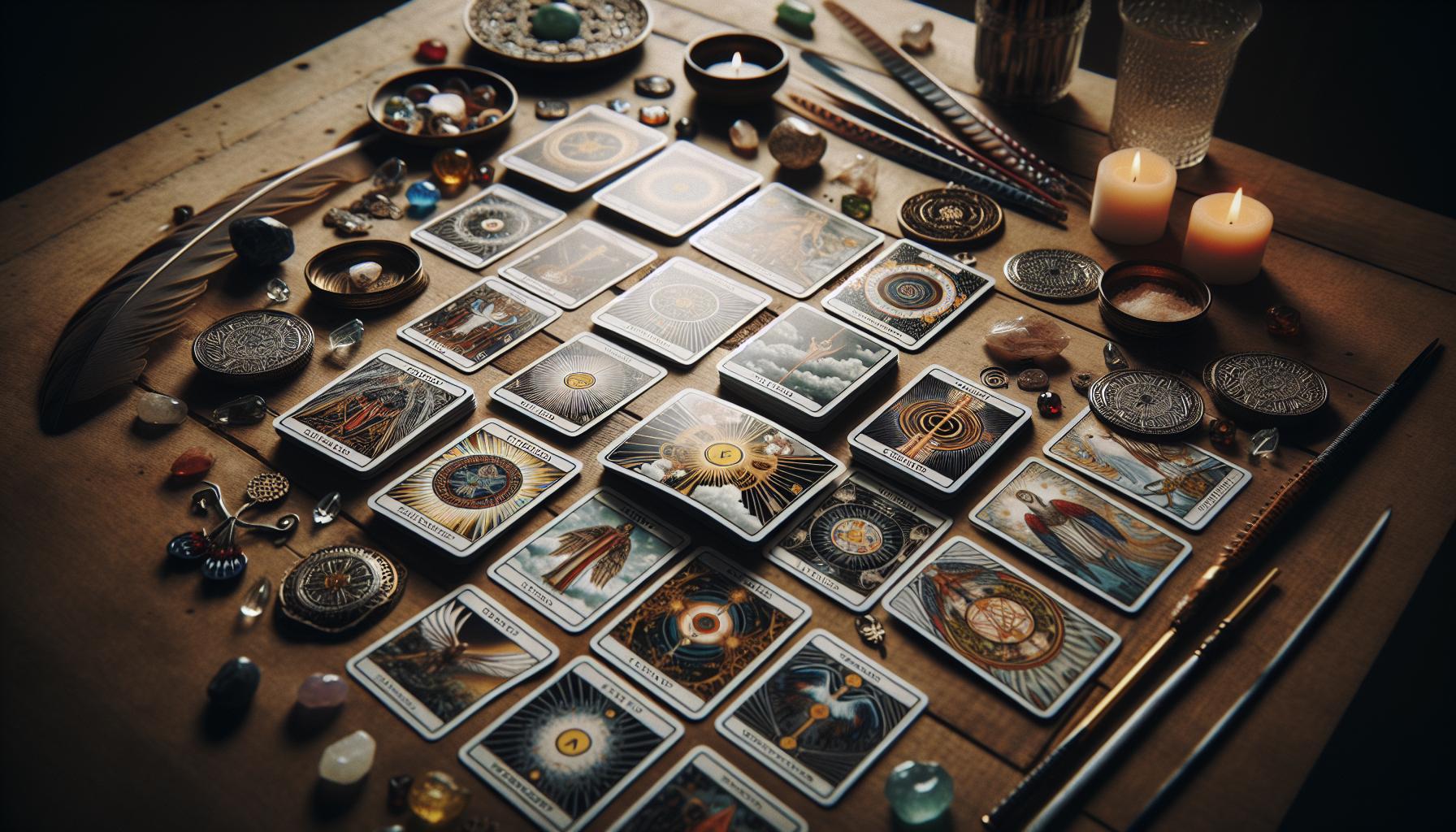
Common Tarot Card Spreads Explained
Choosing the right tarot spread can significantly enhance your reading experience, providing structure and clarity to the insights received from the cards. Each spread serves a specific purpose, enabling you to focus on particular questions or aspects of your life. Whether you are a beginner or a seasoned reader, understanding some of the most common spreads can be the key to unlocking deeper meanings and fostering a personal connection to the cards.
Three-Card Spread
One of the most straightforward options, the Three-Card Spread, is perfect for beginners. It allows you to explore a situation from different angles. Typically, each position can represent a past, present, and future scenario, or it may focus on various aspects like mind, body, and spirit. For instance, if you’re questioning whether to take a new job, the first card could reveal insights from your past experiences, the second could represent your current feelings, and the third might suggest future outcomes. This spread encourages you to engage with the cards personally, interpreting how each message aligns with your unique journey.
Past-Present-Future Spread
Similar to the Three-Card Spread, this format specifically highlights how past events shape your present circumstances, leading to future possibilities. It’s a wonderful way to track your personal growth or to understand the implications of recent decisions. For example, drawing the Six of Cups in the past position may indicate nostalgia or past influences that are impacting your current decision-making, represented by the Eight of Pentacles indicating hard work and dedication today, leading to the Sun card in the future, symbolizing success and fulfillment.
Seven-Card Horseshoe Spread
As you become more comfortable with tarot, the Seven-Card Horseshoe Spread introduces complexity and depth. This spread can provide insight into a situation from various dimensions. The cards can represent influences from the past, present challenges, potential future outcomes, and advice. Here’s a simple breakdown:
- Card 1: Past Influences
- Card 2: Present Situation
- Card 3: Hidden Influences
- Card 4: Obstacles
- Card 5: External Influences
- Card 6: Hopes and Fears
- Card 7: Final Outcome
This spread invites you to reflect deeply on your current life situation, asking you to consider both internal and external factors influencing your path. Each card’s placement adds layers to your understanding, creating a comprehensive narrative about your experiences.
By experimenting with these various spreads, you can discover which resonates with your intuitive reading style. Remember, the magic of tarot lies in personal interpretation-allow your intuition to guide you, nurturing the connection between you and the cards. Ultimately, tarot is a powerful tool for reflection and insight, whether you’re asking big life questions or seeking clarity in everyday matters.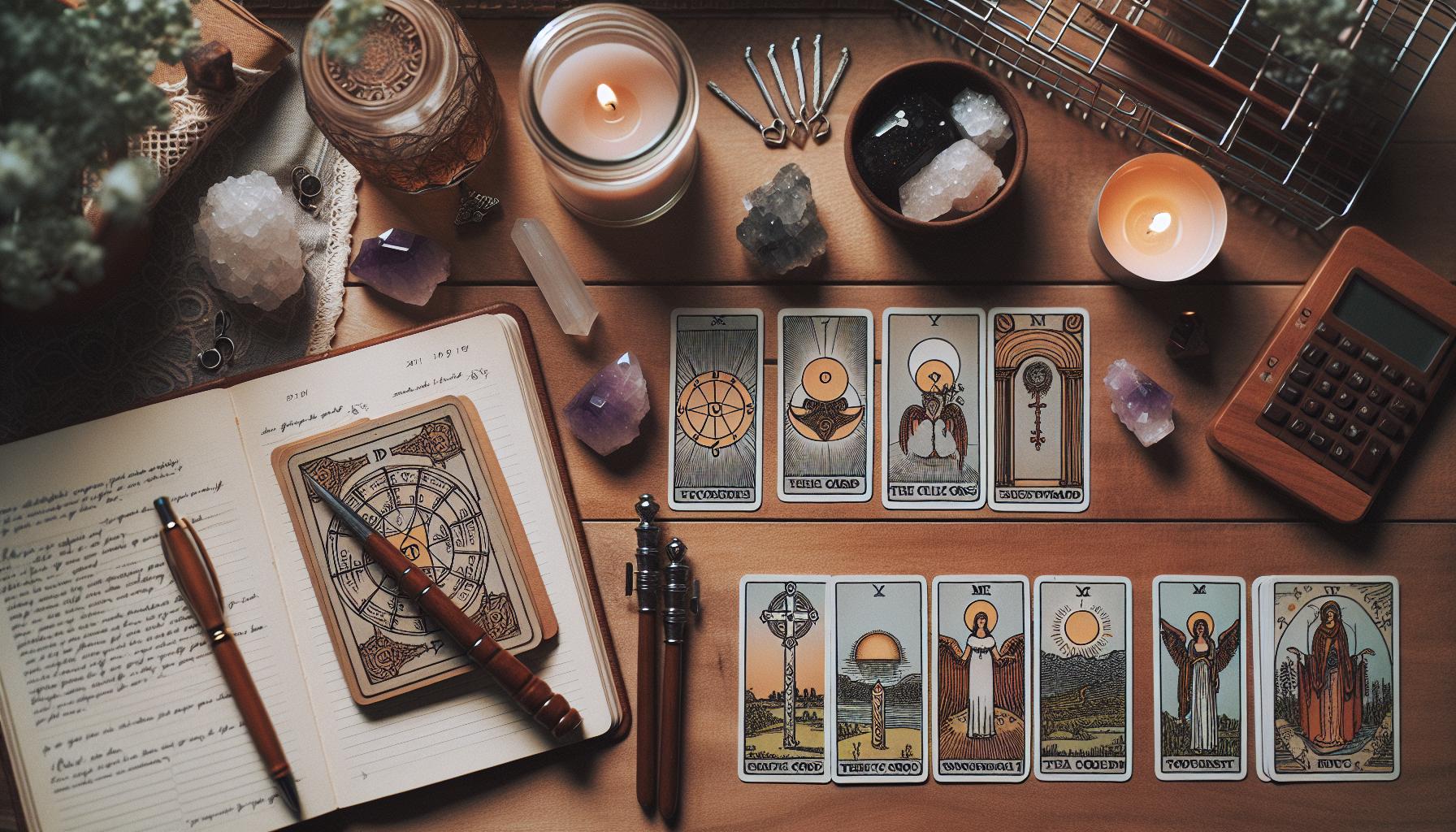
How to Personalize Your Tarot Interpretation
Personalizing your tarot interpretation is like adding your unique brushstroke to a masterpiece; it brings your individual insights and intuition to the forefront, transforming general meanings into messages that resonate deeply with your own life experiences. Each time you lay out the cards, they hold the potential to reflect your thoughts, emotions, and situations uniquely. To enhance this personal connection, consider integrating your feelings, past encounters, and current circumstances into your readings.
One effective strategy is to create a journal dedicated to your tarot readings. Begin by documenting each card’s general meanings, then reflect on how particular cards apply to your situation. Ask yourself open-ended questions: What emotions does this card evoke? or How does this relate to my current challenges? For instance, if you draw the Queen of Cups, traditionally a card representing emotional depth and intuition, note how this reflects your current relationship dynamics or encourages you to trust your feelings. Over time, you’ll start to see patterns and make associations that are uniquely yours.
It’s also beneficial to connect the suits of the tarot to different areas of your life. The Cups may relate to emotions and relationships, Wands with creativity and action, Swords with intellect and conflict, and Pentacles with financial and material aspects. By recognizing which suit a card belongs to, you can more easily channel its energy towards specific facets of your life. For example, drawing a card from the Wands suit during a reading about your career can prompt you to explore your passions and drive.
Lastly, trust your intuition. Sometimes a card may speak to you in a way that diverges from its traditional meaning. Embrace these moments as they are often the heart of personalized interpretation. If you pull the Five of Swords, it might remind you of a recent disagreement rather than indicating defeat in general. Allow yourself the freedom to assign your interpretations, which add layers of meaning and relevance to each reading. Remember, the strength of tarot comes from the dialogue between the cards and your own personal context. The more you engage with them authentically, the more profound your readings will become.
Interpreting Major Arcana Cards: Deep Insights
When you’re delving into the Major Arcana of the tarot, you’re stepping into a realm of profound symbolism and transformative insights. Each card carries layered meanings that reflect pivotal moments and deep spiritual truths in our lives. To truly interpret these cards, it’s essential to connect not only with their traditional meanings but also to your personal context and life experiences. Major Arcana cards, ranging from the Fool to the World, represent major life themes, lessons, and influences that can guide you toward greater self-awareness and growth.
One significant aspect of interpreting these cards is recognizing their archetypal energy. The Fool, for instance, embodies new beginnings and the call to adventure. If you pull this card, think about areas in your life where you might be hesitant to take a leap of faith. How does this card resonate with your current situation or mindset? Reflect on moments where you’ve had to embrace the unknown and the impact that had on your journey. On the flip side, pulling the Tower can signal upheaval or a sudden change; however, it’s also an opportunity for renewal and transformation. Acknowledge the discomfort it may bring but also the potential for rebuilding something even stronger.
Here are some helpful steps to personalize your interpretation of Major Arcana cards:
- Reflect on Personal Experiences: Think about how each card’s traditional meaning relates to your life. For example, The Lovers card often signifies choices in partnerships. Consider your relationships and the decisions you’ve faced.
- Journal Your Insights: Write down your thoughts and feelings about the card’s message. How do its themes align with your current struggles or aspirations?
- Connect with the Card’s Imagery: Spend time contemplating the imagery on the card. What symbols resonate with you? This can help deepen your understanding.
- Trust Your Instincts: Intuition plays a major role in tarot reading. If a Major Arcana card evokes an unexpected thought or feeling, embrace that insight as your unique interpretation.
Remember that the Minor Arcana represents day-to-day experiences, while the Major Arcana mark significant life changes. Use this understanding to gauge the weight of each card in your spread. A reading heavy in Major Arcana could indicate that you are facing or about to encounter important shifts that will require your attention and introspection.
By blending the established meanings of these cards with your unique perspective, you’ll cultivate a richer, more resonant tarot experience. Ultimately, this journey through the Major Arcana not only enhances your readings but also supports your personal growth on a transformative spiritual path.
Understanding Minor Arcana: Suit Meanings
In the realm of tarot, the Minor Arcana serves as a rich tapestry that reflects the everyday experiences and pivotal moments of our lives. Unlike the Major Arcana, which highlights significant life themes and lessons, the Minor Arcana is comprised of cards that delve into the day-to-day activities, emotions, and interactions that shape our reality. Understanding these suits-Wands, Cups, Swords, and Pentacles-offers a clearer lens through which to interpret personal challenges, relationships, and aspirations.
Each suit embodies specific elements and themes, enriching your readings as you connect with their meanings:
Wands
Wands represent action, motivation, and the element of fire. This suit often relates to ambition, creativity, and personal growth. When Wands appear in a reading, think about your passions and pursuits. For example, drawing the Ace of Wands might inspire you to embark on a new creative endeavor, while the Ten of Wands could indicate a need to release burdens that are hindering your progress.
Cups
Cups embody emotion, intuition, and relationships, tied to the element of water. They highlight feelings, connections, and the deeper aspects of your emotional world. When a Cup card surfaces-such as the Two of Cups-you may find yourself reflecting on partnerships or the importance of emotional balance. Conversely, a card like the Five of Cups may prompt you to evaluate loss or emotional setbacks in your life, encouraging healing and acceptance.
Swords
Swords signify thoughts, challenges, and the element of air. This suit often revolves around conflict, decisions, and mental clarity. The presence of the Ace of Swords could herald a breakthrough in understanding or communication, while the Nine of Swords might manifest as anxiety or worry. By examining the Sword cards, you can gain insight into how you approach problems and where you might need to cultivate more resolve.
Pentacles
Pentacles are grounded in the material world, symbolizing career, finances, and physical health. Associated with the earth element, this suit encourages reflection on abundance, stability, and practical matters. For instance, the Four of Pentacles may suggest a need for security and control over resources, whereas the Knight of Pentacles encourages a steady and methodical approach to your goals and finances.
As you explore these suits, consider applying some practical steps to your interpretations:
- Reflect on Your Current Life Situation: Identify which suit resonates most with your current experiences-are you focusing on creative projects, emotional relationships, mental struggles, or practical matters?
- Use Tarot Journaling: Document your observations and insights as you pull cards from each suit. Note patterns or recurring themes that emerge in your readings.
- Connect with Elemental Meanings: Engage with the elemental associations of each suit. How do fire, water, air, and earth influence your understanding of your situation?
- Practice with Spreads: Utilize simple spreads that focus on each suit to uncover messages unique to your life. A three-card spread could highlight past, present, and future influences from Wands, Cups, or any suit you choose.
Approaching the Minor Arcana with this mindset not only enhances your tarot practice but also supports your personal growth and understanding of each card’s role in your life narrative. Through mindful reflection and intuitive engagement, you can create deeper connections with the wisdom imparted by the Minor Arcana, making it an invaluable component of your tarot journey.
The Role of Intuition in Tarot Interpretations
When diving into the world of Tarot, it’s essential to recognize the invaluable role intuition plays in interpreting the cards. Intuition acts as a bridge between the structured meanings of the cards and your personal experiences and feelings. Each card in the deck carries traditional interpretations, but how you connect with those meanings on an emotional and intuitive level can transform a reading into a powerful dialogue with your inner self.
Start by creating a calm environment where you can tune into your feelings and thoughts. As you lay your cards out, take a deep breath and allow your mind to settle. Pay attention to any immediate impressions or feelings that arise. You might notice colors, symbols, or emotions that stand out, which can guide your interpretation. For instance, if you draw the Fool card and feel a rush of excitement and freedom, it may suggest a new adventure or opportunity is on the horizon for you, even if the traditional meaning emphasizes naivety or spontaneity.
Practical methods to enhance your intuitive readings include:
- Ask Open-Ended Questions: Instead of yes or no questions, try asking about your feelings regarding a situation. This invites deeper insights.
- Use Visual Cues: Look for symbols or colors that resonate with you. If the Seven of Cups appears, and you’re drawn to the golden chalice, consider what abundance means in your current life context.
- Engage with Your Cards: Spend time with each card, meditating on them outside of readings. Familiarity fosters intuitive connections.
- Practice Regularly: The more you read, the more natural your intuitive insights will become. Keep a Tarot journal to track your feelings and the outcomes of your interpretations.
Consider real reading scenarios where intuition shines. If you pull the Two of Swords in a decision-making spread, the usual interpretation might suggest indecision or conflict. However, your intuition might hint that the choice is based on fear rather than logic, steering you to explore your underlying emotions more deeply. This personalized layer adds richness to your understanding and empathy for your situation.
Trusting your intuition can sometimes feel daunting, especially for those new to Tarot. Welcome doubt and curiosity as part of the process. Remember, interpretations can evolve. Just like you change, so too can your relationship with the cards. Embrace this journey of self-discovery, knowing that your intuition offers guidance uniquely suited to you. Each reading becomes a personal narrative, weaving together the threads of universal wisdom and your individual truths.
How to Analyze Card Positions in a Spread
To truly unlock the potential of your Tarot readings, understanding the significance of card positions in a spread is essential. Each card is not just a standalone symbol; its meaning can shift dramatically depending on where it’s placed in relation to other cards. This interconnectedness can reveal deeper insights about your situation, guiding you toward clarity and understanding.
Start by familiarizing yourself with the common meanings assigned to various positions within different spreads. For example, in a classic three-card spread representing Past, Present, and Future, the first card tells you what influences have shaped your current situation, while the second reflects your current state, and the third provides insight into potential outcomes. Here, the context provided by each position amplifies the distinct interpretations of the cards you draw.
Key Aspects to Consider
When analyzing card positions, keep the following aspects in mind:
- Position Meaning: Each spot in a spread serves a purpose. For example, in a Celtic Cross spread, card positions might represent your current problem, the challenge, past influences, and what’s coming next.
- Relationship Dynamics: Pay attention to how neighboring cards interact with each other. If you draw The Tower in the challenge position and The Star in the future position, it might suggest that after a period of upheaval, hope and healing are on the horizon.
- Intuitive Reflections: Trust your intuition as you interpret card positions. Sometimes, a card in a specific place might evoke a strong personal reaction that adds a new layer of meaning, guiding your understanding beyond traditional interpretations.
Practical Example
Let’s say you conduct a five-card spread focused on decision-making. In this scenario, the first card symbolizes the current decision being faced, the second might represent past influences, the third could indicate resources available, the fourth might depict potential obstacles, and the fifth could highlight the ultimate direction to take.
Consider this: if you pull the Eight of Swords as the first card, you might feel trapped; however, seeing the Ace of Wands in the resources position could suggest that a spark of inspiration is available to break free from this indecision. Thus, the interplay of card positions provides a comprehensive narrative that guides your personal journey.
By adopting this structured approach, you not only deliver clarity to your readings but also strengthen your confidence in interpreting the Tarot. Embrace the journey, welcoming the mysteries that unfold as you navigate the meanings crafted by both card significance and placement.
Real-Life Examples: Tarot Readings Explained
When approaching a Tarot reading, real-life examples can illuminate the process and help demystify how to interpret cards in meaningful ways. Let’s explore a couple of scenarios that showcase how different cards interact and provide insights tailored to specific situations.
Consider a situation where someone is grappling with a career change. During a three-card spread, they draw The Fool, The Hanged Man, and The Ten of Pentacles. Here’s how the interpretation unfolds: The Fool symbolizes new beginnings and taking risks, suggesting an openness to new opportunities. The Hanged Man, positioned in the center, indicates a need for patience and a shift in perspective before making any hasty decisions. Finally, the Ten of Pentacles at the end emphasizes the potential for long-term success and legacy if the querent takes thoughtful steps. This spread encourages them to embrace the change but to first pause and reflect on their current mindset.
In another scenario, imagine a querent who is uncertain about a romantic relationship. They decide to use a seven-card relationship spread, resulting in the following cards: The Lovers, The Tower, the Page of Cups, and the King of Swords. The Lovers highlight a deep connection but paired with The Tower, this indicates potential upheaval or a crisis that may destabilize their bond. Yet, the presence of the Page of Cups suggests that approaching the situation with emotional openness could foster healing. The King of Swords urges clear communication and logical thinking to navigate this tumultuous phase. Here, the reader learns to look at both the negative and positive aspects of the cards to develop a nuanced understanding of the relationship dynamics.
Using such examples can deepen one’s grasp of Tarot meanings, revealing how cards can interact to provide a richer narrative. Embrace these readings as personal guidance that resonates with your journey, and observe how your intuition blends with the card meanings to create a personalized interpretation for each situation you face.
Overcoming Common Misconceptions about Tarot
Many people view Tarot through a lens colored by misconceptions and myths, often leading to misunderstandings about its true purpose and practice. One of the most prevalent misconceptions is that Tarot is solely a tool for fortune-telling, predicting the future in a rigid manner. In reality, Tarot serves more as a mirror reflecting your current emotions, thoughts, and situations, enabling you to explore possibilities rather than a strict fate. For example, rather than telling someone they will fail in a job interview, a Tarot reading might highlight their fears about the interview or suggest areas for personal growth, allowing them to reframe their narrative.
Another common belief is that the Tarot should only be read by gifted individuals or those trained in mystical traditions. This notion can intimidate newcomers and discourage them from engaging with Tarot’s possibilities. In truth, anyone can learn to read Tarot. It’s about connecting with the cards and understanding your intuition. Start with a simple spread, like a three-card layout that focuses on the past, present, and future. As you draw cards, take time to reflect on what these images evoke for you personally, creating a visual dialogue that deepens your connection to the reading.
People also often think that Tarot readings should feel deterministic or absolute. However, the strength of Tarot lies in its ability to offer insights and prompt questions rather than dictate outcomes. For instance, drawing The Star may inspire hope and clarity, while The Devil could indicate struggles with temptation or dependency. Instead of viewing the presence of challenging cards as ominous, recognize them as invitations for self-reflection and awareness. Embrace these cards as opportunities to identify patterns in your life.
To overcome these misconceptions, approach Tarot with an open heart and mind. Understanding that it is a tool for empowerment rather than divination can shift your perspective significantly. By embracing a beginner’s mindset, you will grow in your own interpretations, using previous experiences to empower your readings. Remember, Tarot is not about predicting the future but about illuminating your path forward, with the cards serving as guides for the journey of self-discovery.
Tips for Developing Your Tarot Reading Skills
To truly develop your Tarot reading skills, embracing a blend of intuition, practice, and ongoing learning is vital. By understanding the symbolism behind the cards and how they relate to your personal experiences, you can unlock deeper insights. Start by familiarizing yourself with the meanings of both the Major and Minor Arcana. Each card carries a unique message, so take time to study them in your context. For beginners, creating a personal Tarot journal can be invaluable. Not only does this serve as a space for reflections and insights, but it allows you to track your growth as a reader.
Practice Reading Regularly
Regular practice is essential for honing your skills. Set aside time each week to draw cards for yourself or family and friends. Begin with simple spreads, like a three-card pull focusing on past, present, and future to keep it manageable. Each time you read, reflect on how the cards relate to real life. For example, if you draw the Two of Cups while asking about a relationship, consider aspects of connection and partnership that resonate with your experience.
Use Intuitive Insights
While memorizing meanings is important, integrating your intuition is what truly breathes life into your readings. Pay attention to the imagery and emotions the cards evoke; they often convey messages beyond traditional meanings. For instance, if you draw The Tower during a question about career change, reflect on any feelings of upheaval you might associate with that situation. Allowing your personal experience to inform the reading creates a richer and more meaningful interaction with the cards.
Engage with the Tarot Community
Joining communities, whether online or local, provides a fantastic opportunity to learn from others. Sharing experiences, asking questions, and participating in group readings can boost your confidence and provide diverse perspectives on card interpretations. Furthermore, many Tarot forums allow you to engage with more seasoned readers who can offer guidance and tips.
In addition to these practices, don’t shy away from exploring books or online resources that dive deeper into Tarot techniques and philosophies. Balancing traditional interpretations with your unique perspective will not only enhance your readings but also cultivate your personal relationship with the Tarot. Embrace the journey; every reading you undertake is a step toward mastering this beautiful, intuitive art.
Creating a Meaningful Tarot Reading Ritual
Creating a ritual for your Tarot readings can transform a simple card draw into a profound experience that deepens your connection to the cards and your intuition. Rituals help set the stage for your readings, allowing you to enter a focused and receptive mindset. Start by establishing a quiet, comfortable space where you can unwind without distractions. This can be a corner of a room, a cozy chair, or even outside in nature. Surround yourself with items that inspire you-candles, crystals, or meaningful artifacts can enhance the atmosphere.
Prepare Your Mind and Space
Before you begin your reading, take a moment to clear your mind. This may involve a brief meditation or deep breathing exercises. You might also choose to light a candle or incense to signify that you are entering a sacred space. As you prepare, hold your cards in your hands and set a clear intention for your reading. Ask yourself what you wish to understand or explore.
You might consider establishing a routine before each reading. For example:
- Naming a question or topic that feels pressing.
- Shuffling the deck while visualizing your inquiry.
- Choosing a protective crystal or talisman to keep near you during your session.
Create a Personal Connection to the Cards
Your Tarot deck is not just a tool; it can become a partner in your journey. Take time to bond with your cards by exploring their meanings personally. As you shuffle or draw cards, observe how each one resonates with your experiences. Write down your impressions and feelings in a dedicated Tarot journal. This will help you develop a rich, nuanced understanding of what the cards mean to you beyond traditional definitions.
For example, if you draw the Six of Cups while reflecting on your childhood, think about the memories that surface and how they relate to your current life. This personalized interpretation will provide deeper insights during your readings.
Closing the Ritual
After completing your reading, take a moment to reflect on the insights you’ve gained. Write down any important thoughts in your journal. You might also choose to express gratitude-either to the Universe, your guides, or the cards themselves-for the clarity and guidance received. Consider ending your ritual with a few grounding exercises, like stretching or enjoying a cup of tea, to ease back into your day.
Remember, the essence of a Tarot reading ritual is flexibility. Feel free to adapt elements that resonate with you personally. Over time, these practices will enhance your readings, fostering a deeper connection to your intuition and understanding of the Tarot. Embrace your unique journey with the cards, as each reading is an opportunity to explore the sacred and the personal simultaneously.
Faq
Q: What do the Tarot cards actually represent?
A: Tarot cards represent various archetypes and experiences in life. Each card carries specific meanings related to emotions, actions, and situations. For personalized interpretations, consider your current life context, linking the card meanings to your challenges and aspirations.
Q: How can I use Tarot cards for personal growth?
A: You can use Tarot cards for personal growth by conducting regular readings to reflect on your emotions and decisions. Focus on the guidance provided by the cards to foster self-awareness and initiate positive changes in your life.
Q: What should I consider when interpreting my Tarot reading?
A: When interpreting your Tarot reading, consider the cards’ positional meanings, the spread used, and your intuitive feelings about each card. Pay attention to how the cards relate to your personal situation for a fuller understanding.
Q: Can I trust my intuition when reading Tarot cards?
A: Yes, you can and should trust your intuition when reading Tarot cards. Intuition helps you connect personally with the card meanings and enhances your ability to interpret the messages tailored to your life.
Q: How can I improve my Tarot reading skills?
A: To improve your Tarot reading skills, practice regularly, study card meanings deeply, and reflect on past readings. Join Tarot communities for shared insights, and always trust your intuitive responses during readings to enhance your connection with the cards.
Q: Why do different Tarot spreads provide different insights?
A: Different Tarot spreads focus on various aspects of life, allowing unique insights. For example, a three-card spread may provide a straightforward answer, while a Celtic Cross offers a deeper exploration of past influences, present circumstances, and future possibilities.
Q: How does the Major Arcana differ from the Minor Arcana in Tarot?
A: The Major Arcana cards represent significant life themes and spiritual lessons, while the Minor Arcana focus on day-to-day events and challenges. Understanding this difference can deepen your Tarot interpretations regarding both major life changes and everyday matters.
Q: What role does symbolism play in Tarot card interpretations?
A: Symbolism in Tarot provides layers of meaning, connecting archetypal images to personal experiences. Recognizing these symbols can unlock deeper insights during readings, making your interpretations richer and more resonant with your situation.
Wrapping Up
As you uncover the meanings behind your Tarot cards, remember that each interpretation can illuminate your path and guide your decisions. This personalized interpretation empowers you to connect deeply with your intuition, revealing insights that are uniquely yours. Don’t miss out on taking your Tarot journey further-explore our Daily Tarot Reading for fresh guidance or check out your Virgo Daily Horoscope for tailored daily insights that resonate with your astrological influences.
Ready to enhance your Tarot experience? Dive into our Instant Yes or No Tarot Reading for quick answers or consider booking a consultation for a more in-depth exploration of your reading. Your journey into the mystical world of Tarot doesn’t end here; we encourage you to leave your thoughts and questions in the comments, as sharing your experiences fosters a rich community of seekers. Embrace the magic of Tarot, and remember, this is just the beginning of a transformational journey.
Get our latest guides, news, and insights highlighted in your Google Search & AI Overviews.