Did you know that the Swords in Tarot represent not just conflict, but also the power of the intellect? These cards embody the duality of thoughts and ideas, reflecting the challenges and breakthroughs we face in our lives. Whether you’re grappling with decisions, navigating complex relationships, or seeking clarity in your thoughts, understanding the Swords can unlock valuable insights. As we explore what Swords mean in Tarot, you’ll discover how they can illuminate your path, helping you confront dilemmas with confidence and wisdom. Join us on this journey to demystify the Swords, empowering you to harness their energy for your personal growth and spiritual development. Ready to delve into the world of intellect and conflict? Let’s uncover the profound messages hidden within these powerful cards.
The Symbolism of Swords in Tarot
The imagery of swords in Tarot is often striking, conjuring associations with sharpness, clarity, and a certain underlying tension. Representing the suit of intellect and conflict, swords illuminate our thoughts, beliefs, and communications, urging us to engage deeply with our mental landscapes. Where swords appear, they challenge us to confront our truths and navigate the complexities of our minds. Unlike the other suits, which might evoke emotional or material concerns, the Swords call upon us to wield our intellect and face contentious issues head-on.
Within the symbolic framework of Tarot, swords are associated with the element of Air-tying them to ideas, decision-making, and the often tumultuous nature of human discourse. Swords can embody both the power of reason and the potential for strife, highlighting the duality inherent in intellectual engagement. When drawn in a reading, they may signal the need for discernment, urging the querent to assess the clarity of their thoughts and the validity of their arguments. This is not mere conflict for conflict’s sake; rather, it serves as a catalyst for growth-the recognition that in understanding our struggles, we can also uncover profound insights.
The flip side of this challenge is that swords can often cut deep. They may represent misunderstandings, harsh truths, or the fallout from confrontations that have yet to be resolved. In this way, they encourage reflection on communication styles and relational dynamics. It’s crucial to examine how we express our ideas and whether we are approaching conflicts with curiosity and openness or defensiveness and rigidity. Swords remind us that knowledge is a double-edged blade; it can empower us or isolate us, depending on how we choose to wield it.
In your journey with the Tarot, particularly when dealing with the Swords, consider how their energy not only points to conflict but also the transformative power residing within that turbulence. Embrace this suit’s capacity for clarity and decisiveness as a tool for personal growth. The next time you draw a sword card, ask yourself: What insight is calling for attention? How can I navigate this complexity to further my understanding of myself and my relationships with others? By fostering this mindset, you will enhance your intuition and deepen your connection to the symbolic messages contained within the cards.
Understanding Mental Clarity and Intellect
In the realm of Tarot, the Swords suit serves as a powerful reminder of the intellect’s dual-edged nature. When we dive into the symbolism of swords, we uncover their profound connection to mental clarity and the process of understanding our thoughts and beliefs. Swords represent not just conflict or struggle; they illuminate our mental landscapes, urging us to refine our understanding and articulate our truths with precision and courage. The sharpness of a sword symbolizes the clarity of thought needed to cut through confusion and reveal deeper insights.
To engage effectively with the Swords, consider adopting a few empowering practices in your daily life. First, cultivate a habit of reflection. Journaling can be a useful tool here; as you write, allow your thoughts to spill onto the page without judgment. This process clarifies your ideas and helps you identify areas where mental confusion may be holding you back. Also, actively seek discussions that challenge your perspectives. Engaging in debates or thought-provoking conversations can sharpen your intellect, akin to honing a blade, making your arguments more robust and your understanding clearer.
Another crucial aspect of navigating the Swords energy is recognizing the value of discernment. When a Swords card appears in a reading, it may indicate a time to reassess your decision-making processes. Ask yourself whether you are anchored in logic or allowing your emotions to cloud your judgment. By prioritizing clarity, you can make decisions that are both informed and deliberate. In practical terms, this could mean practicing mindful listening during conversations-absorbing what others say and considering their points without jumping to conclusions.
Ultimately, understanding the mental clarity and intellect represented by the Swords calls you to embrace both power and responsibility. The insights gained from wrestling with difficult thoughts can lead to significant personal growth. Remember, each Swords card offers an invitation to explore the complexities of your mind and the words you choose to express it. When confronted with a challenge or conflict, ask yourself how this discomfort can guide you towards greater self-awareness and understanding. This reflective practice is not just about navigating conflict; it’s a path to refining your intellect and strengthening your personal voice.
Navigating Conflict with the Swords Suit
Navigating conflict when the Swords suit appears can feel daunting, but it also offers profound opportunities for growth and understanding. The Swords symbolize not just challenges and battles but also the clarity of thought and insight that can arise from these situations. Each time you encounter a Swords card in a reading, it urges you to examine the circumstances in your life with curiosity and discernment, transforming potential turmoil into a path toward resolution and deeper self-awareness.
When faced with conflict, it is essential to identify how your thoughts influence your emotions and decisions. In many instances, it’s about stripping away the layers of confusion and fear that often cloud your judgment. For instance, consider drawing a few cards from the Swords suit to shed light on a specific issue. Look for patterns or recurring themes that might give insight into how you typically respond to conflict. This practice not only enhances your understanding but also equips you with the emotional tools to face similar situations in the future with greater ease.
Here are some strategies to effectively navigate conflicts when dealing with Swords energy:
- Practice Mindful Communication: When tensions rise, strive to communicate with clarity and respect. Take a moment to gather your thoughts before speaking, ensuring that your words accurately reflect your feelings and intentions.
- Embrace Active Listening: In conflict, we often focus on defending our perspective. Shift this mindset by actively listening to the other party. Understand their viewpoint and validate their feelings, even if you disagree. This approach fosters a more constructive dialogue.
- Utilize Reflection: After a conflict, take time to reflect on what transpired. What thoughts were prevalent? How could your mental clarity have shifted the outcome? Journaling your reflections can unveil insights that might prevent similar disputes in the future.
By honoring the dualistic nature of the Swords, you can view conflict as a chance to refine your intellect and emotional maturity. For example, the Five of Swords often signals defeat or conflict, suggesting a need to step back and reassess the situation. Instead of getting absorbed in the chaos, recognize this card as an invitation to know when to concede or when to reframe your approach. This shift in perspective can empower you to transform your conflict strategies into pathways of understanding and collaboration.
In challenging times, remember that Swords teach us that intellectual clarity is an essential ally. They remind us to wield our words thoughtfully, distinguishing between defense and dialogue. By cultivating a mindset of openness and reflection, you can navigate conflicts with greater ease, turning potential struggles into opportunities for connection and insight.
The Dual Nature of Swords: Challenge and Insight
In the realm of Tarot, the Swords suit embodies a profound duality, representing both the challenges we face and the insights we can gain from them. Each card within the Swords brings forth themes of intellect, conflict, and clarity. When you encounter Swords in a reading, it serves as a reminder that every struggle holds the potential for growth and understanding. This dual nature invites you to delve deeper into your own thought processes and emotional responses, illuminating paths toward resolution and enlightenment.
The challenges represented by the Swords are frequently mental in nature. They encourage you to critically evaluate your circumstances and confront any self-imposed limitations. For instance, drawing the Eight of Swords might indicate feelings of being trapped or restricted by your thoughts. However, this card also nudges you to recognize that these limitations can be less about external circumstances and more about your perception. Acknowledging this perspective can free you, allowing insights to emerge that pave the way for positive change.
Similarly, the Swords offer clarity and awareness about interpersonal dynamics. The Two of Swords often signifies stalemate or indecision, pushing you to address conflicting emotions and make choices that honor both your intellect and intuition. Reflecting on these conflicts not only fosters personal growth but can also enhance your relationships by promoting more honest and transparent communication. Embracing the insight that emerges from challenges allows you to transform conflict into a space for dialogue rather than discord.
As you navigate the Swords’ dual nature, consider adopting practical techniques that align with this energetic flow. Here are some strategies to harness both challenge and insight effectively:
- Reflective Journaling: After a conflict or a decision, jot down your thoughts and feelings. This practice can help you uncover deeper insights and patterns in your thinking.
- Meditative Visualization: Visualize yourself overcoming an intellectual or conflict-related obstacle. Imagine the clarity you gain and how it shifts your perspective on the situation.
- Discussion with a Trusted Friend: Sometimes, discussing your thoughts with a trusted friend can illuminate hidden aspects of a situation, transforming confusion into clarity.
By understanding the dual nature of the Swords-seeing both the challenges and the insights-they present you with opportunities to cultivate a clearer mind and a more resilient spirit. Embrace the lessons that arise, and remember, every intellectual struggle can lead to personal growth and deeper understanding if approached with curiosity and openness.
Card Interpretations: Key Meanings of the Swords
The Swords suit in Tarot represents the realm of the mind, where thoughts, communication, and conflict converge. Each card brings unique interpretations that help you navigate both internal and external struggles. Understanding these meanings can empower you to face challenges with greater clarity and confidence.
Key Meanings of the Swords
- Ace of Swords: This card symbolizes new beginnings in thought and clarity. It represents breakthroughs, insight, and the power of your intellect. When drawn, it suggests you are ready to cut through confusion and embrace a new truth.
- Two of Swords: Here, we encounter indecision and stalemate. This card invites you to confront conflicting emotions. It often appears when a decision must be made, highlighting the need for balance between logic and intuition.
- Three of Swords: This card is one of heartache and sorrow, often linked with betrayal or emotional pain. However, it also serves as a reminder to process grief and understand the lessons that arise from these experiences. Acknowledging this pain can lead to healing and growth.
- Four of Swords: A symbol of rest and reflection, the Four of Swords suggests the need for a mental pause. It encourages you to retreat, regroup, and recuperate before taking action. This can be especially important after a period of conflict or decision-making.
- Five of Swords: This card represents conflict, tension, and sometimes hollow victories. It warns against being overly competitive or dismissive of others’ feelings. The lesson here is to choose your battles wisely and recognize that ego should not overshadow relationships.
- Six of Swords: Signifying transition and movement toward calmer waters, the Six of Swords often indicates a journey, either physically or mentally. It encourages you to leave behind turbulent thoughts and embrace healing.
- Seven of Swords: A card often associated with deception and strategy, the Seven of Swords asks you to evaluate honesty and integrity in your interactions. It may suggest stealth or a clever approach to problem-solving but also warns of the consequences of dishonesty.
- Eight of Swords: Representing feeling trapped, the Eight of Swords highlights self-imposed limitations. This card urges you to examine your thought patterns, recognizing that your perceptions may be the key to your liberation.
- Nine of Swords: A card of anxiety and fear, the Nine of Swords often indicates sleepless nights filled with worried thoughts. It encourages you to confront these fears directly rather than allowing them to fester.
- Ten of Swords: This card symbolizes endings and closure, often appearing after a significant challenge or betrayal. While it may seem grim, it also heralds the opportunity for new beginnings and the liberation that comes with letting go.
By familiarizing yourself with these interpretations, you can enrich your Tarot readings and better understand the complexities of thought and conflict. Each card offers not only a reflection of challenges but also potential pathways to insight and resolution.
- Practical Exercise: As you draw Swords cards in your next reading, take a moment to journal your immediate thoughts and feelings about each card. Note any correlations with your current life situations-this practice fosters deeper comprehension and personal connection.
Embrace the multifaceted nature of the Swords, recognizing that each challenge is an opportunity for growth. Engaging with these interpretations allows you to navigate the intellectual landscape of your life with greater awareness and purpose.
Exploring Swords in Different Tarot Spreads
Incorporating the Swords suit into various Tarot spreads can significantly enhance your readings, particularly as they relate to intellect and conflict management. The Swords represent the realm of the mind, making them particularly valuable in spreads that focus on decision-making, problem-solving, and interpersonal dynamics. Whether you are a beginner or have some experience, understanding how to weave these cards into your readings can provide deeper insights into mental clarity and conflicts in your life.
A basic yet effective spread is the Three-Card Spread, where you can lay out three Swords cards to explore a situation’s past, present, and future. For example, drawing the Two of Swords in the past position might indicate a time of indecision impacting your current situation, while the Ace of Swords in the present could suggest a breakthrough in understanding or communication. The future card may reveal potential challenges or resolutions, such as the Six of Swords, which promotes moving away from difficulties.
For those seeking a more complex layout, the Celtic Cross Spread can offer comprehensive insights. In this spread, Swords cards can be positioned in several pivotal spots, such as the “Challenge” or “Advice” positions. If the Five of Swords appears in the “Challenge” position, it might highlight conflicts with others that need addressing. Alternatively, the Four of Swords in the “Advice” position suggests a period of reflection is necessary before taking action. This considers not only the challenges but also the appropriate mental strategies to navigate them.
To effectively engage with Swords energy, consider using a spread dedicated to Self-Reflection and Growth. This spread might include positions such as “What blocks my clarity?” or “How can I enhance my communication?” Drawing the Nine of Swords in your spread could highlight fears that hinder your mental clarity, while the Seven of Swords might suggest being more strategic in your communication to overcome challenges.
Lastly, remember that your interpretation of Swords cards can vary based on their placement and the context of your reading. Regular practice, combined with journaling your insights, can deepen your understanding and personal connection to these powerful indicators of intellect and conflict. Embrace the nuances of Swords, and allow their lessons to guide you through both mental clarity and interpersonal challenges.
How to Harness Swords Energy for Personal Growth
Utilizing the Swords suit in tarot can be a transformative journey, amplifying your capacity for personal growth through intellectual challenges and conflicts. The Swords symbolize the realm of thought, decision-making, and communication, offering profound insights when harnessed effectively. By engaging with the Swords energy, you can navigate life’s complexities, honing your mental clarity and resolving emotional turbulence.
To begin this process, cultivate an awareness of your thoughts and the narratives you tell yourself. A great starting point is to perform a Journaling Exercise using Swords cards. Draw a few Swords cards and write down the thoughts, feelings, and situations they bring to mind. For example, if you draw the Eight of Swords, reflect on where you might feel trapped or restricted in your life. This card signifies self-imposed limitations; identifying these can help begin the process of liberation.
Refocusing Energy Through Spreads
Integrating Swords into your tarot spreads can enhance your understanding of personal challenges. Consider a Five-Card Spread specifically designed for personal growth, with positions such as:
- Current Thought Patterns: What thoughts dominate my mind?
- Agents of Conflict: What external or internal conflicts do I face?
- Lessons to Learn: What insights do I need to embrace?
- Tools for Growth: What actions should I take to foster clarity?
- Future Clarity: How will I feel once I overcome these challenges?
This structured approach helps address your mental blocks directly while expressing your current struggles. If the Three of Swords appears, it may indicate emotional pain you need to process, while the Ace of Swords can signify the clarity and breakthroughs awaiting you.
Practical Techniques for Engaging with Swords Energy
To further enhance your connection with the Swords, practice active mindfulness and self-reflection. Techniques such as meditation can help clear your mind, allowing you to observe your thoughts without judgment. Set aside a few minutes daily to sit quietly and reflect on unresolved conflicts. As you become more attuned to your mental landscape, try to implement practices like open communication. Expressing your feelings and thoughts, whether through conversation or writing, can dispel misunderstandings and ease tensions.
Remember, the path of personal growth using the Swords is not about avoiding conflict but rather embracing and understanding it. Each challenge presents an opportunity for deeper insight and transformation. By committing to the lessons of the Swords, you’ll empower yourself to navigate life’s complexities with a clearer, more resilient mindset.
The Role of Swords in Spiritual and Emotional Healing
Embracing the Swords suit in tarot can be a profound way to facilitate spiritual and emotional healing. Each card within this suit engages our intellect, urging us to confront thoughts and beliefs that may block our path to personal growth. The Swords symbolize clarity, insight, and the potential for transformation, guiding us through challenges and conflicts as we navigate our inner landscapes. The healing process often begins with self-awareness, particularly in recognizing the narratives we impose on ourselves.
To harness the healing energy of Swords, consider incorporating them into your daily practice. One effective method is to draw a Swords card each morning and ponder its message throughout your day. For instance, drawing the Two of Swords might prompt you to address indecision or emotional blockages. Reflect on areas where you may be avoiding choices and consider how addressing these issues can lead to greater clarity and peace. Journaling about your impressions can also serve as a form of catharsis, helping you articulate feelings that might otherwise remain unexamined.
Another powerful approach is to use Swords in a focused spread designed to uncover emotional truths and foster healing. A simple three-card spread can be arranged as follows:
- Present State: What is the current mental or emotional challenge I face?
- Lessons to Learn: What do I need to understand from this challenge?
- Path Forward: What actions can I take to heal and move forward?
For example, if you draw the Three of Swords in the first position, it may signify grief or heartache. The subsequent cards can provide guidance on how to process this pain, perhaps indicating that reflection and open conversations with trusted friends can lead to healing.
As you engage with the Swords, remember that this suit is not simply about conflict-it’s also about reconciliation and understanding. Embrace the lessons that arise from your struggles, for they often reveal the deepest truths about yourself and your relationships. By fostering open communication, practicing mindfulness, and utilizing the insights provided by the Swords, you can embark on a journey of emotional resilience and spiritual clarity, transforming challenges into opportunities for growth.
Swords and Relationships: Communication and Challenges
Navigating the complexities of relationships often requires sharp insight and clear communication, qualities embodied by the Swords suit in Tarot. When engaged with the Swords, you tap into their profound ability to address conflict and facilitate understanding. These cards invite you to reflect on how thoughts and beliefs shape your interactions with others, offering a pathway to overcome misunderstandings and strengthen bonds. Whether it’s the sharp clarity of the Ace of Swords or the painful insights of the Three of Swords, each card brings lessons that can illuminate the path to healthier connections.
When exploring Swords in relationships, one of the most compelling uses is to reflect on communication styles. For instance, if you draw the Eight of Swords, you may be feeling trapped or restricted in expressing your true feelings. This card encourages you to examine the narratives you’re living by-are they self-imposed limitations? Confronting these stories with courage can free you to communicate more openly and effectively. To facilitate this process, you might practice active listening with a partner, ensuring that both sides feel heard and validated.
Another important aspect of the Swords suit is the recognition of conflict as a natural part of relationships. Drawing the Five of Swords can indicate a situation where conflict may lead to feelings of defeat or resentment. Instead of avoiding difficult conversations, consider using this card as a prompt to address the issue head-on. Create a safe space for dialogue where both parties can express their perspectives without fear of retribution. This approach fosters clarity and understanding, transforming conflict into a constructive force.
To deepen your exploration of Swords in relationships, try a focused Tarot spread that centers on communication. Arrange three cards as follows:
- Current Communication: What is the present state of communication between us?
- Underlying Issues: What are the hidden factors affecting our dialogue?
- Path to Resolution: What steps can we take to improve our interactions?
For example, if the Page of Swords appears in the “Current Communication” position, it might suggest a curious but perhaps naive approach to dialogue. The next card could identify a deeper issue, such as fear or mistrust, prompting a discussion that can lead to healing.
By embracing the energies of the Swords, you equip yourself with tools to navigate the intricate dance of relationships. Each challenge encountered is not just a roadblock, but a chance to learn and grow together. Approaching conflicts with this mindset can transform difficult situations into opportunities for connection, ultimately enriching your relationships and fostering a deeper understanding of each other.
Advanced Tarot Techniques: Interpreting Swords Combos
Interpreting combinations of Swords cards can significantly enhance your Tarot readings, especially when exploring themes of intellect and conflict. Swords are associated with thoughts, clarity, and sometimes conflict-each card offers a distinct perspective that can shift dramatically when combined with others. By understanding how these combinations interact, you can unlock deeper insights into situations or challenges faced by yourself or others.
Consider the pairing of the Two of Swords and Three of Swords. The Two of Swords often symbolizes a stalemate or indecision, suggesting that you may be avoiding a necessary confrontation. When this card appears with the Three of Swords, which represents heartbreak or emotional pain, it may indicate that the avoidance is causing deeper issues in relationships. The reading might suggest that facing the decision head-on could alleviate emotional turmoil, creating an opportunity for healing.
Another powerful combination is the Ace of Swords paired with the Seven of Swords. The Ace signifies new clarity and truth, while the Seven can point to deception or a need for strategic thinking. Together, they might reveal a scenario where clear communication can address hidden truths or cunning tactics. This combination encourages you to foster honesty while being aware of potential misinformation, balancing your approach to conflict with integrity and intelligence.
To effectively interpret these combinations, consider the following practical steps:
- Contextualize the Cards: Examine the situation at hand and how the themes of each card relate. Is one card amplifying another’s message?
- Identify Positive and Negative Influences: Recognize which aspects of the card meanings may indicate challenges and which may highlight opportunities for growth.
- Reflect on Personal Experience: Relate the insights from the combination to your own life or that of the querent, encouraging personal reflection and application.
- Trust Your Intuition: Combine your analytical interpretation with intuitive insights; often, your gut feeling on card meanings can provide powerful guidance.
Utilizing these techniques allows Tarot readers to not only grasp the linear meanings of individual cards but to see the rich dialogue between them, especially with the dynamic Swords suite. Embracing this complexity fosters a more profound understanding of mental clarity, communication needs, and the navigation of conflicts. By regularly practicing with different combinations and reflecting on your interpretations, you’ll build confidence in your ability to decode the intricate stories that Swords cards can tell.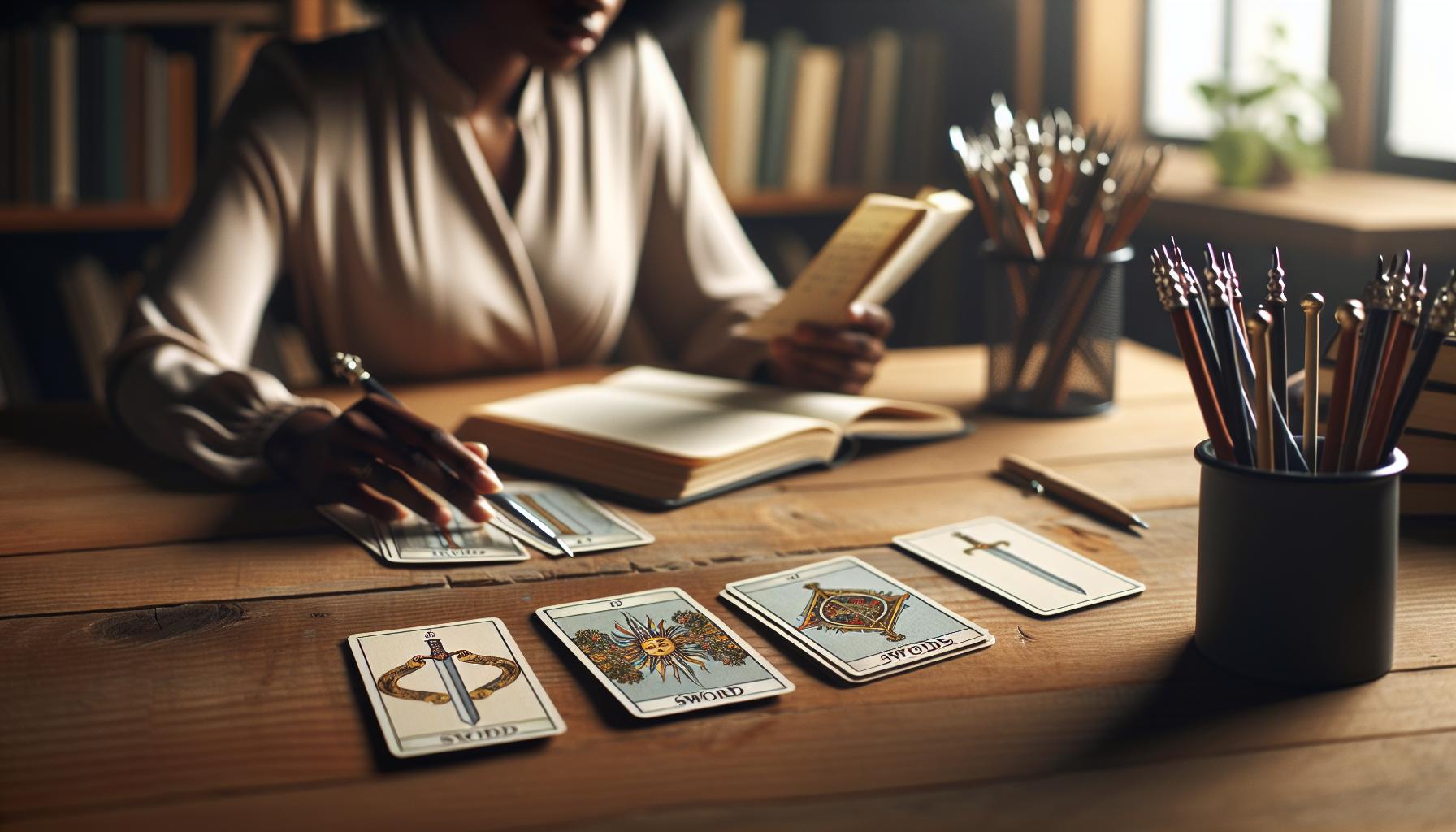
Debunking Myths: Misconceptions About Swords in Tarot
Many new and seasoned Tarot enthusiasts harbor misconceptions about the Swords suit, often seeing it solely through the lens of conflict and negativity. However, this perspective overlooks the rich depth and dual nature of Swords, which embodies not just challenges but also profound insights and clarity. Understanding the symbolism of Swords can empower you to use these cards as tools for personal growth rather than hurdles to navigate.
One common myth is that all Swords cards signify conflict or violence. In reality, the Swords represent the realm of intellect and communication. They encourage us to face our truths, analyze situations critically, and often challenge our perceptions. For instance, the Ace of Swords symbolizes not just the potential for conflict but also the dawn of new ideas and the clarity that comes with them. This card offers an opportunity to cut through confusion and gain a fresh perspective. Therefore, rather than fearing Swords, embrace their energy as a catalyst for transformation and self-awareness.
Another misconception holds that Swords cards predict doom and gloom. While it’s true that some Swords cards may present daunting challenges (like the Three of Swords, which often depicts heartbreak), they can also highlight necessary truths and growth opportunities. For example, drawing the Five of Swords can indicate a need to confront dishonesty or betrayal, encouraging the querent to reassess their alliances and moral compass. Rather than viewing this as a solely negative outcome, see it as a chance to clear the air and promote healthy boundaries in relationships.
To counter these myths, approach Swords with a balanced mindset. Reflect on their messages with an open heart. Consider the following strategies:
- Reframe your perception: Whenever a Swords card appears, ask yourself, “What clarity or insight am I gaining from this?”
- Dialog with the cards: When interpreting Swords, think of them as partners in conversation, revealing hidden truths and urging self-reflection.
- Encourage self-empowerment: Use Swords to empower others by highlighting their capacity to think critically and engage in difficult conversations.
By actively engaging with the Swords’ messages, you nurture a deeper understanding of yourself and the world around you. This shift in perspective transforms challenges into pathways for deeper insight, showcasing the multifaceted nature of Swords in Tarot.
Practical Tips for Readers: Engaging with Swords
Engaging with the Swords suit in Tarot invites you to explore the intricate dance between intellect and conflict. This suit, often misunderstood, embodies not just the aspects of challenge but also the empowerment that comes through clarity and self-awareness. To make the most of your interactions with Swords, consider these practical tips that can enhance your readings and deepen your connection with the cards.
Reframing the Narrative
When you draw a Swords card, approach it with a mindset of curiosity. Instead of immediately noting any conflict or difficult emotion, ask yourself, “What insight can this provide?” For example, if you draw the Eight of Swords, rather than viewing it solely as a representation of feeling trapped, consider it as an invitation to examine self-imposed limitations and explore fresh ways of thinking. This mindful reframing allows you to harness the energy of Swords as a tool for personal growth.
Dialoguing with the Cards
Treat the Swords as partners in a conversation. Take a moment to reflect on the imagery and symbolism of the card you’ve drawn. What feelings or thoughts arise? Engage in a dialogue where you ask open-ended questions: “What truth is being revealed?” or “How can I communicate more effectively in my current situation?” This practice can elicit deeper meanings and foster a more personal connection to the reading.
Using Spreads Wisely
Consider incorporating specific spreads designed to delve into the themes of clarity and conflict. A simple three-card spread could represent your current mental state, the root cause of your challenges, and guidance for moving forward. An example of this could be:
| Position | Meaning |
|---|---|
| 1st Card | Current mental state |
| 2nd Card | Root cause of confusion or conflict |
| 3rd Card | Advice for overcoming challenges |
This structured approach can facilitate deeper insights while navigating the intellectual terrain of the Swords.
Encouraging Healthy Communication
Utilize the insight of Swords to empower both yourself and those around you. Encourage honest and open conversations, especially in challenging situations. The Two of Swords can symbolize indecision, but it can also prompt discussions about balance and the need for compromise. Whether in personal relationships or professional settings, use the messages of the Swords to foster clarity and encourage others to express their thoughts and feelings.
Through these practical strategies, readers can transform their interactions with the Swords from a fear of conflict into a journey of intellectual discovery and empowerment, ultimately embodying the true essence of the Swords as instruments of clarity and insightful reflection. Each reading becomes not just an assessment of what is but a gateway to what could be, inviting growth and understanding in all areas of life.
Frequently asked questions
Q: What do the Swords in Tarot represent?
A: The Swords in Tarot primarily represent intellect, communication, and conflict. They embody the realm of thoughts, decisions, and challenges, highlighting the mental aspect of our lives and often signify the necessity to confront underlying issues or truths.
Q: How can Swords be interpreted in a Tarot spread?
A: In a Tarot spread, Swords can indicate challenges related to communication or decision-making. For example, appearing in a position linked to past influences might suggest unresolved conflicts. Refer to “Exploring Swords in Different Tarot Spreads” for deeper insights on their placement and meaning.
Q: What does it mean if a Swords card appears reversed?
A: A reversed Swords card often signifies confusion, miscommunication, or mental blockages. It may indicate a need to reevaluate your thoughts and approach to conflicts, encouraging you to seek clarity and resolve issues within.
Q: How do Swords relate to personal growth in Tarot?
A: The Swords invite you to confront and overcome mental challenges, fostering personal growth. Engaging with Swords energy can help clarify your thoughts and enhance decision-making skills, ultimately leading to deeper self-awareness and empowerment.
Q: Why are Swords often associated with conflict?
A: Swords symbolize the capacity for conflict due to their association with sharpness and clarity. They encourage exploration of conflicting ideas or situations, pushing individuals to confront issues head-on and resolve inner turmoil effectively.
Q: What role do Swords play in relationships according to Tarot?
A: In relationships, Swords often signal communication challenges or misunderstandings. They prompt reflection on how thoughts influence interactions and suggest pathways for improving dialogue and resolving conflicts within partnerships.
Q: Can Swords be seen as entirely negative in a Tarot reading?
A: Not necessarily. While Swords often highlight conflict and challenge, they also offer insights and clarity. They encourage critical thinking and problem-solving, illustrating that challenges can lead to growth and greater understanding.
Q: How can one prepare for a reading involving Swords?
A: To prepare for a reading with Swords, reflect on current challenges or decisions weighing on your mind. This will help you frame your questions, allowing the Swords cards to provide focused insights into your situation and guide you toward solutions.
Wrapping Up
As you delve into the world of Tarot, understanding the Swords is crucial. These cards symbolize intellect, clarity, and, importantly, conflict resolution. Embracing the messages of the Swords can empower you to tackle challenges head-on, making room for personal growth and deeper self-awareness. If you’re eager to understand more about how to effectively read these cards, check out our comprehensive guide on how to read Tarot cards for beginners [[2]], or explore the broader meanings behind Tarot’s symbology [[3]].
Ready to enhance your Tarot journey? Sign up for our newsletter to receive exclusive insights and tips directly to your inbox. Don’t let confusion hold you back; learning the art of Tarot can be a transformative experience. Share your insights in the comments below or reach out for a personalized reading to get clarity on your path. Remember, the wisdom of Swords can guide you through intellect and conflict, leading you toward a more enlightened life. Let’s embolden your intuitive abilities together!
Get our latest guides, news, and insights highlighted in your Google Search & AI Overviews.