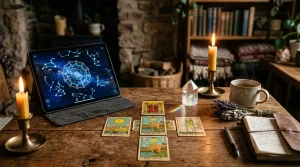
Have you ever wondered what secrets lie in a Tarot card reading? These powerful cards can unveil insights about your life’s path, helping you navigate challenges and embrace opportunities. By interpreting the symbols and messages within each card, readers can illuminate your inner wisdom, revealing truths about relationships, career choices, and personal growth. As you explore this mystical practice, you’ll discover how Tarot can serve as a mirror reflecting your thoughts and feelings, guiding you toward clarity and confidence. Whether you are a skeptic or a believer, this journey through the Tarot is designed to enrich your understanding and empower your decision-making. Ready to dive deeper into the world of Tarot and uncover what it has to tell you? Let’s embark on this enlightening adventure together.
Understanding Tarot Card Readings: Basics Explained
In the realm of intuitive insights and self-discovery, Tarot card readings serve as a powerful tool to navigate personal and spiritual journeys. Each Tarot reading is not just about predicting the future; it’s a mirror that reflects your inner thoughts, feelings, and situations. When you sit down with a deck of Tarot cards, you’re engaging in a dialogue with your subconscious, revealing the truths that lie beneath the surface. This process can illuminate paths, clarify choices, and foster a deeper understanding of oneself.
To grasp the basics of Tarot readings, it’s essential to understand how the deck is structured. A standard Tarot deck consists of 78 cards divided into two main segments: the Major Arcana and the Minor Arcana. The Major Arcana features 22 cards that represent significant life themes and spiritual lessons, while the 56 Minor Arcana cards delve into day-to-day experiences and challenges. Each card holds its own unique symbolism, influencing the overall narrative of a reading.
When preparing for a reading, it’s beneficial to approach the cards with intention and an open heart. Consider what questions or concerns you wish to explore, as this clarity will guide the reading’s focus. Common spreads, such as the three-card spread-which encompasses the past, present, and future-or the Celtic Cross, can help structure your reading and yield more insightful results. Engaging with the cards through your intuition can also unveil meanings that resonate personally, transforming the experience into a deeply reflective practice.
Remember, Tarot readings are not merely a means of prediction but rather a conduit for understanding your current reality and the energies influencing it. As you interact with the Tarot, allow yourself to be present in the moment. The cards will illuminate what needs to be seen, inviting you to trust your inner wisdom as you navigate both the questions at hand and the paths that lie ahead. Embrace the journey of exploration that Tarot offers; it can be both enlightening and empowering.
Uncovering the Symbolism of Tarot Cards

The language of Tarot is rich in symbolism, where each card tells a story far deeper than its image alone. At its essence, Tarot serves as a visual guide, connecting with our subconscious and highlighting aspects of life we may overlook. This intricate web of meanings invites both new and experienced readers to explore the nuances that each card presents.
Understanding Card Symbolism
Each Tarot card is a tapestry woven from symbols, colors, and imagery that elicit emotional and intuitive responses. For instance, the Fool card, often portrayed with a small dog at its heel, symbolizes new beginnings and the fearless pursuit of adventure. The dog represents loyalty and instinct, reminding us that while we venture into the unknown, we are supported by our instincts and those who care for us.
- Major Arcana: This group encapsulates major life lessons and spiritual themes. Cards like The Tower signify upheaval and transformation, highlighting the necessity of breaking down old structures to make way for new growth.
- Minor Arcana: Comprising four suits (Cups, Wands, Swords, Pentacles), these cards reflect everyday experiences and challenges. For example, the Three of Cups symbolizes celebration and community, emphasizing the joy found in shared experiences.
Color and Imagery
Beyond individual meanings, colors and imagery amplify the narrative within Tarot readings. Each hue correlates with specific emotions or ideas. For example, blue might signify calmness and trust, while red can symbolize passion and action. Thus, when interpreting a reading, consider how the colors may speak to the querent’s current emotional landscape.
Consider this example: If a reader pulls the Queen of Swords in a spread, they might notice her clarity and forthright nature, suggesting a need for honest communication. At the same time, the swords element can indicate the potential for conflict or difficult decisions, inviting reflection on how to harness her energy positively.
Personal Connections
Building a personal relationship with the cards enhances your ability to interpret their meanings intuitively. As you draw cards over time, journal the impressions and insights each one stirs within you. This practice nurtures your unique voice in reading, making each session with the Tarot a dialogue rather than a monologue.
Embrace the symbolism as an ever-evolving part of your practice. Whether you’re a beginner or have years of experience, remember that your interpretations can grow richer and more personal as you engage more deeply with each card’s story. By doing so, you empower yourself to uncover transformative insights through Tarot, discovering a vibrant pathway to understanding yourself and the world around you.
Different Tarot Spreads and Their Meanings
Crafting a successful Tarot reading begins with selecting the right spread, which serves as the framework for the insights you can glean from the cards. Each layout is designed to address specific themes or queries, allowing the reader to tap into different aspects of the situation at hand. Using various spreads can unlock a myriad of interpretations, guiding both beginner and experienced practitioners alike in their Tarot journey.
One of the most popular choices is the Three-Card Spread, which is versatile and easy to navigate. This spread typically represents the past, present, and future. For example, if one were to ask about a job interview, the past card may reveal underlying fears that could be affecting confidence, the present card might highlight the current mindset approaching the interview, and the future card could hint at the outcome or path forward. This simplicity makes it a great choice to cement your understanding of card meanings while gaining practical insights.
Another classic is the Celtic Cross Spread, a more comprehensive layout that provides a deep examination of a situation. This spread consists of ten positions, each representing different facets such as challenges, influences, and potential outcomes. For instance, if you were exploring a decision about moving to a new city, the spread could illuminate not just the personal aspirations (central position) but also external influences (crossing card) and future possibilities (cards in the outcome position). To successfully interpret this, consider utilizing a journal to note down insights for each position, reflecting on how each influences the querent’s journey.
For those looking to explore emotional or relational dynamics, the Relationship Spread can be particularly illuminating. This spread typically factors in both partners’ perspectives and feelings, revealing the connection’s strengths and areas needing attention. Depending on the cards drawn, the insights may encourage open communication or suggest areas for growth, serving as a valuable tool for strengthening connections or navigating conflicts.
As you delve into various spreads, remember the importance of intuition. Each reading is a personal journey, and while the spreads provide structure, your intuitive interpretations are what breathe life into the cards. Experiment with different layouts and take note of what resonates with you; Tarot is not just a prediction tool but a means of uncovering deeper truths about ourselves and our paths.
How to Prepare for a Tarot Card Reading

Preparing for a Tarot card reading is an essential step that can significantly enhance your experience and the insights you gain. To start, create a space that encourages relaxation and focus. This could be a quiet room, a cozy corner, or even an outdoor setting. Ensure it is free from distractions, allowing you to fully immerse yourself in the energy of the cards. You might consider lighting a candle or burning some incense to set a calming atmosphere; this can enhance your connection to the intuitive realm.
Next, clarify your intentions and questions. Having a specific focus can help guide the reading. Whether you seek guidance on a love relationship, career path, or personal growth, write down your questions if that helps you articulate them better. For example, if you’re contemplating a major life decision, you might ask, “What should I consider in this situation?” This clarity will not only ground your reading but also facilitate more meaningful interpretations of the cards drawn.
Another important aspect of preparation is connecting with your cards. If you’re using your own deck, take a moment to cleanse it. This can be done by simply shuffling while focusing on your intention or by holding the cards and visualizing any previous energies being released. If you’re using a borrowed deck, it might help to ask for permission from the owner, reaffirming the sacredness of the practice. As you shuffle, pay attention to the cards that catch your eye or feel significant; these could hold particular messages for you during your reading.
Lastly, engage your intuition throughout the process. Before you begin drawing cards, take a few deep breaths and center your thoughts. Allow yourself to be open to the messages that unfold, trusting your instincts about the meanings of images and symbols on the cards. Remember, your intuitive insights are just as vital as traditional interpretations, enriching the overall experience. By fostering an inviting atmosphere, setting clear questions, connecting with your deck, and remaining open to intuitive guidance, you can transform a simple card reading into a profound journey of self-discovery and clarity.
Interpreting Your First Tarot Reading: A Step-by-Step Guide

To embark on your first tarot reading can feel both exhilarating and daunting. With a clear mindset and a sprinkle of curiosity, you can navigate the seemingly mysterious art of tarot with confidence. Start by selecting your tarot deck, a personal choice that will resonate with you. As you shuffle the cards, focus on your intention or question, allowing your energy to entrain with the deck. Take your time; this moment is sacred.
Once you are ready and have drawn your cards, it’s essential to understand their positions and interactions. If you’re using a simple three-card spread, think of each card representing a different aspect: your past, present, and future, or perhaps situation, action, and outcome. Rather than relying solely on traditional meanings, allow your intuition to guide interpretations. For instance, if you draw the Two of Cups in a love reading, it might signify a deepening connection-instantly igniting insights from your experiences or hopes about relationships.
As you analyze the cards, remember to observe the imagery and any emotions they evoke in you. Take notes; capturing your initial thoughts can reveal layers of meaning as you later reflect on the reading. Consider creating a little context around each card-what does it symbolize to you personally? In essence, don’t just read the cards-converse with them.
Finally, bring closure to your interpretation. Reflect on what the reading means for you moving forward, and how you can integrate these insights into your life. Tarot is a tool for self-discovery and empowerment; embrace your findings, whether they spark joy or prompt deeper contemplation. Trust that with each reading, your intuition will grow, paving the way to a deeper understanding of yourself and the energies around you. Keep your mindset open, and remember-the journey through tarot is uniquely yours.
Common Misconceptions About Tarot Readings
Many people approach tarot readings with a mix of curiosity and skepticism, often hindering their experience with preconceived notions. One of the primary misconceptions is that tarot readings predict the future with absolute certainty. However, it’s crucial to understand that tarot is more of a guiding tool rather than a fortune-telling device. The cards mirror your current energies and situations, presenting insights that can help you make informed decisions. This interactive process encourages reflection and growth rather than asserting a fixed fate.
Another common myth is that only specially gifted individuals can read tarot effectively. In reality, anyone can learn to read tarot with practice and an open mind. The key lies in developing your intuition and personal connection with the cards. Rather than relying solely on established interpretations, allow your own feelings and experiences to inform your readings. For example, if you draw the Two of Swords, which traditionally represents indecision, you might personally interpret it as a message to trust your gut feelings about a difficult choice you face.
Many also believe that seeking a tarot reading signifies weakness or a lack of control over one’s life. On the contrary, engaging with tarot can empower you by providing clarity and prompting self-discovery. It’s an opportunity to explore deeper questions and gain insights into your inner self, relationships, and challenges, ultimately facilitating proactive choices.
Finally, it’s important to recognize that tarot readings are not inherently linked to any specific belief system or spiritual practice. Individuals from various backgrounds can incorporate tarot into their lives, and its wisdom can be beneficial regardless of your spiritual beliefs. This versatility makes tarot an accessible tool for anyone interested in self-exploration and personal empowerment. Embracing these insights can transform the way you view tarot readings, unlocking their potential to inspire and guide you on your journey.
Connecting Intuition with Tarot: Trusting Your Insight
Connecting with your intuition is a vital part of any tarot reading. Many readers find that their deepest insights arise from their gut feelings, guiding them toward interpretations that resonate on a personal level. The cards serve as mirrors, reflecting your internal landscape, making it essential to cultivate a strong relationship with your intuition. This process not only enhances your readings but also encourages a more profound exploration of yourself and your circumstances.
To begin, create a quiet space for your reading-somewhere you feel safe and comfortable. Take a moment to center yourself. You might try a simple breathing exercise: inhale deeply for a count of four, hold for four, and exhale for four. As you breathe, focus on your intention for the reading. What questions are lingering in your mind? What issues are you hoping to explore? By grounding yourself, you open a channel to your inner wisdom, allowing your intuition to surface.
When drawing cards, pay attention to any initial feelings or thoughts that arise. For example, if you pull the Eight of Cups, which typically indicates leaving something behind, you might feel a pang of sadness or relief, depending on your situation. Trust these feelings-they are your intuition speaking. Keep a journal of your readings and the insights you glean, noting how your intuitions align with the card messages. Over time, you’ll begin to recognize patterns and enhancements in your intuitive responses.
Integrating your intuition into tarot reading is less about memorizing meanings than about connecting emotionally and personally with the cards. Experiment with different decks; some might resonate with you more profoundly than others. As you progress, remember that this practice is about empowerment and self-discovery. You are the expert on your life, and the cards are there to support your journey, not dictate it. By blending intuition with tarot, you create a dynamic, insightful practice that evolves with you, further unlocking the transformative power of tarot.
Exploring the Psychological Benefits of Tarot
When engaging with tarot, many people discover not just guidance but also profound psychological benefits that can aid in self-reflection and emotional healing. Tarot serves as a tool for introspection, inviting individuals to explore their thoughts and feelings in a safe, structured way. A reading can reveal underlying patterns in behavior, illuminate emotional challenges, and foster clarity during turbulent times.
One of the key psychological advantages of tarot is its ability to help individuals articulate issues they may find difficult to express. The imagery and symbolism of the cards often resonate deeply, allowing readers to project their feelings and experiences onto the cards. This projection creates a dialogue between the conscious and subconscious minds, often leading to insights about personal motivations, fears, and desires. As you draw cards, consider what each card brings up for you emotionally. For example, pulling the Tower card might evoke feelings of chaos or upheaval, prompting you to examine areas in your life where you feel instability or fear change.
Moreover, engaging with tarot can promote mindfulness and present-moment awareness. The act of focusing on your question, shuffling the deck, and interpreting the drawn cards encourages you to slow down and tune into your inner world. This practice can serve as a form of therapy, where the tarot becomes a catalyst for processing thoughts and emotions. Establishing a regular tarot practice can foster resilience, as facing personal challenges through the lens of the cards enables you to develop coping strategies.
As you navigate your tarot journey, remember that it’s a personal and empowering process. Approach each reading with curiosity rather than judgment, allowing your interpretations to unfold organically. Keep a journal of your readings to track evolving themes and insights, further enhancing your self-awareness and psychological growth. The experience can be deeply enriching, reminding you of your agency in shaping your life’s narrative.
Case Studies: Real-Life Tarot Reading Insights
When people turn to tarot readings, they often seek clarity and insight into their lives. Real-life case studies reveal profound examples of how tarot can facilitate understanding and personal growth. One woman, grappling with a major life transition after losing her job, sought guidance from her tarot cards. During her reading, she drew the Six of Swords, which symbolically represents journey and transition. This card prompted her to reflect on her past experiences and encouraged her to embrace change as a pathway to new opportunities. By the end of the session, she felt more empowered, realizing that leaving her old job could lead to a more fulfilling career.
Another insightful case involved a young man who was uncertain about a romantic relationship. During his reading, thecards revealed the Lovers alongside the Moon. The Lovers signified a significant choice or decision, while the Moon suggested confusion or hidden truths. This combination urged him to confront his feelings and communicate openly with his partner. The reading facilitated a crucial discussion, leading to greater emotional intimacy. Such examples show how readings can illuminate personal dilemmas, helping individuals navigate life’s complexities.
A particularly striking instance involved a woman who had recurring dreams of the Death card, which she initially feared represented physical loss. However, during her tarot reading, the card was interpreted as a symbol of transformation and rebirth, emphasizing the need to let go of old patterns that no longer served her. This interpretation allowed her to shift her perspective, leading to the courage to make necessary changes in her personal life. As she embraced this transformation, she experienced profound emotional healing and strength.
These case studies highlight the unique insights tarot can provide. By connecting deeply with their cards, individuals can not only find answers but also discover their own inner wisdom. Whether it’s through confronting fears, making pivotal decisions, or understanding life transitions, tarot serves as both a mirror and a guide, illuminating paths to greater awareness and empowerment. Embracing the magic of tarot invites us to trust our intuition while navigating our life journeys.
What to Do After a Tarot Reading: Next Steps
After a tarot reading, the journey doesn’t end-it begins. Engaging with the insights you’ve received can lead to empowering transformations in your life. Whether the messages were straightforward or layered with nuance, the next steps you take can make that insight actionable. Here’s how to navigate this important phase with confidence.
Begin by reflecting on the reading. Find a quiet space where you can process the cards drawn and the interpretations offered. Consider journaling your thoughts. Write down key themes, feelings that arose during the session, and any questions that came up. This reflection not only solidifies your understanding but also allows you to connect more deeply with your intuition. A simple structure can help: categorize your thoughts into three areas-what resonated, what surprised you, and what you’re curious about moving forward.
Integrating Insights
It’s crucial to integrate the messages from your reading into your daily life. Here are a few practical steps to take:
- Set Intentions: Using insights gleaned from your tarot session, create intentions or affirmations. For instance, if the Four of Cups suggested you need to find joy in the present, you might affirm, “I embrace joy in my daily life.”
- Take Action: Turn your insights into actionable steps. If a card indicated the importance of a decision, outline the choices available and commit to one path.
- Follow Up: Schedule a date for a follow-up reading, whether alone or with a reader. This can help track your progress and provide further insights as you navigate your journey.
Communicate Your Experience
Sharing your reading experience with trusted friends or communities can enhance its impact. Discussing the insights can lead to broader perspectives and even deeper understanding. If you feel comfortable, consider joining a tarot group where members share their readings and experiences. This communal approach fosters a supportive environment that can enrich your own practice.
Incorporating these steps after a reading can create a foundation for ongoing personal growth. Just like in a coaching session or therapy, the real work happens post-reading as you apply what you’ve learned. Remember, the cards are a tool to guide you to your own truth. Embrace this journey, and allow your newfound insights to illuminate your path forward.
Navigating Challenges in Tarot Interpretations
Navigating the complexities of Tarot interpretations can sometimes feel overwhelming, especially when the messages you receive seem cryptic or contradictory. It’s essential to embrace this complexity as part of the tarot journey, allowing yourself to explore the depth of meaning behind each card and its connections to your life. Every reading offers a unique opportunity for reflection, but it can also lead to confusion if you’re not well-versed in the symbols or context of the cards drawn.
To effectively address these challenges, start by recognizing that your personal intuition is a powerful tool. Rather than relying solely on traditional interpretations, pay close attention to your instinctual reactions to the cards. When a card is drawn, what immediate feelings or thoughts arise? Write these down in a dedicated tarot journal, which can help to clarify your understanding over time.
Tip: Context Matters
Remember that the time and situation you are in can significantly influence the reading. Cards may take on different meanings based on your current emotional state or life circumstances. For example, the Tower card can signify disruption and chaos, but it can also represent necessary change and the clearing of old structures to make room for new growth. Ask yourself how the card relates to your situation and what personal insights you might glean from it.
Utilize Spreads Wisely
Different tarot spreads can also assist in providing clearer interpretations. If a traditional three-card spread feels insufficient for your inquiry, consider using a more elaborate layout, such as a Celtic Cross. This spread not only reveals various aspects of your query but also maps out underlying influences and potential outcomes.
Here’s a quick rundown of some common spreads:
- One-Card Pull: Ideal for quick insights or daily guidance.
- Three-Card Spread: Represents past, present, and future dynamics.
- Celtic Cross: Offers a comprehensive view of your situation and various influencing factors.
Each spread has its structure and purpose, and when you align the spread to your specific question, it often simplifies the interpretation process.
Incorporate Reflection
After you interpret your reading, take time to reflect on the insights gained. Allow yourself to sit with the energy of the cards. Meditation or quiet contemplation can enhance your understanding, helping to bridge any gaps between your intellectual interpretation and emotional response. This practice further fosters a trusting relationship with your intuition, which is crucial as you delve deeper into tarot.
By acknowledging and working through the challenges in tarot interpretations, you can transform potential confusion into clarity, enhancing not only your understanding of the cards but also your personal growth and self-awareness. Embrace the process, and remember that each reading brings you closer to deeper truths about yourself.
Deepening Your Tarot Practice: Advanced Techniques
To truly deepen your tarot practice, it’s essential to go beyond basic readings and engage with the cards on a more profound level. Each card in the tarot deck tells a story, not just through its imagery but also through the emotions and intuitions it evokes in you. One powerful technique to enhance your understanding is to create a personal connection with each card. Spend time meditating on the imagery, symbols, and colors in the card, noting any feelings or thoughts that arise. This practice helps you develop a unique interpretation tailored to your personal experiences.
Another effective method is to utilize advanced spreads. While the classic three-card spread offers valuable insights, experimenting with more complex spreads-like the Celtic Cross or the Horseshoe Spread-can provide a deeper exploration of your questions. The Celtic Cross, for example, not only highlights your present situation but also reveals underlying influences, hopes, and possible outcomes. Here’s a brief overview of how to approach this spread:
- Card 1: Your current situation
- Card 2: The challenge or obstacle
- Card 3: The past influences
- Card 4: The future potential
- Card 5: Your conscious goal
- Card 6: Your subconscious influence
- Card 7: The advice
- Card 8: External influences
- Card 9: Your hopes and fears
- Card 10: The outcome
As you become more comfortable with these spreads, consider integrating intuitive elements into your readings. This can involve choosing cards based not only on their positions and traditional meanings but also on a hunch or instinct you feel in the moment. Document these experiences in a dedicated tarot journal, reflecting on how your intuition guided your interpretations and what insights emerged.
Additionally, exploring the psychological benefits of tarot can significantly enhance your practice. Tarot isn’t just a tool for divination; it can serve as a mirror to your psyche, helping you confront issues and emotions you may be avoiding. Engage with the cards through journaling prompts, where you write about what each card means to you personally and how it relates to your life. This active engagement with the tarot can lead to profound realizations and personal growth.
Ultimately, the key to advancing your tarot skills lies in blending disciplined study with personal intuition. Every reading is an opportunity to explore your inner landscape and connect with the greater universe. Embrace the journey, stay open to learning, and remember that every step you take deepens your understanding of both the cards and yourself.
Frequently Asked Questions
Q: What specific insights can Tarot cards provide during a reading?
A: Tarot cards can offer insights into various aspects of life, including relationships, career choices, personal growth, and emotional well-being. They help clarify situations, illuminate choices, and reveal hidden patterns in one’s life, encouraging deeper self-reflection and understanding.
Q: How accurate are Tarot card readings?
A: The accuracy of Tarot readings often depends on the reader’s intuitive skills and the energy of the person receiving the reading. While some find them highly resonant, others view them as guides rather than definitive answers. Trusting your intuition during a reading enhances clarity and relevance.
Q: Can I use Tarot cards for personal guidance?
A: Absolutely! You can use Tarot cards for personal guidance by conducting your own readings. This practice helps in gaining clarity on issues, exploring feelings, and fostering intuitive connection. Start with a simple three-card spread to dive into specific questions or concerns.
Q: What do reversed Tarot cards mean in a reading?
A: Reversed Tarot cards often indicate blockages, delays, or opposite meanings of their upright counterparts. They can signify internal conflicts, missed opportunities, or a need for self-reflection. Understanding reversals adds depth to the overall interpretation of the spread.
Q: How should I interpret my feelings during a Tarot reading?
A: Pay attention to your feelings during a Tarot reading, as they provide valuable insights into your intuition. If certain cards resonate strongly, they may reflect your subconscious thoughts or emotions about a situation. Trust these feelings to guide your interpretation.
Q: What can I do if I feel confused after a Tarot reading?
A: If you feel confused after a reading, take time to reflect on the cards drawn. Consider journaling about your feelings and thoughts. Revisit important symbols or messages, and don’t hesitate to seek a follow-up reading for deeper clarity or to ask different questions.
Q: How often should I seek a Tarot reading?
A: The frequency of Tarot readings can vary by individual. It’s beneficial to consult Tarot cards during significant life changes or when seeking guidance on persistent issues. Regular introspection, perhaps once a month, can also deepen your understanding and connection to the cards.
Q: Can Tarot readings predict the future?
A: While Tarot readings can suggest potential outcomes based on current paths, they do not predict the future with certainty. They reflect energies and possibilities at the moment. Free will and choices significantly influence future events, making awareness and action crucial after a reading.
To Conclude
As you explore the transformative insights that tarot card readings can offer, remember that every card draws from your unique journey, revealing the truths you seek. Embrace the magic of these interpretations to ignite your intuition and empower your decisions. If you’re eager to dive deeper, consider exploring our comprehensive guides on Love Compatibility and the Different Tarot Spreads, perfect for all skill levels.
Don’t let uncertainty hold you back-start your tarot journey today! Sign up for our newsletter to receive exclusive readings and insights directly in your inbox. Your path to clarity and wisdom awaits; take that first step and unlock the potential of tarot. Join our vibrant community by sharing your thoughts and experiences in the comments-your story matters! Explore further with us, and let the cards guide your way.
Get our latest guides, news, and insights highlighted in your Google Search & AI Overviews.