Have you ever flipped a tarot card and felt uncertain about its message? Understanding the symbolism of each tarot card can transform your readings from vague impressions into profound insights. This guide will demystify tarot, breaking down the meaning behind each card in clear, accessible language. Whether you’re a curious newcomer or a seasoned practitioner, learning these symbols will deepen your connection to the cards and enhance your intuitive abilities. As we explore the unique meanings and energies of each card, you’ll discover how to interpret their messages in ways that resonate with your personal journey. Join us on this enlightening path to unlock the wisdom of the tarot and empower your spiritual practice!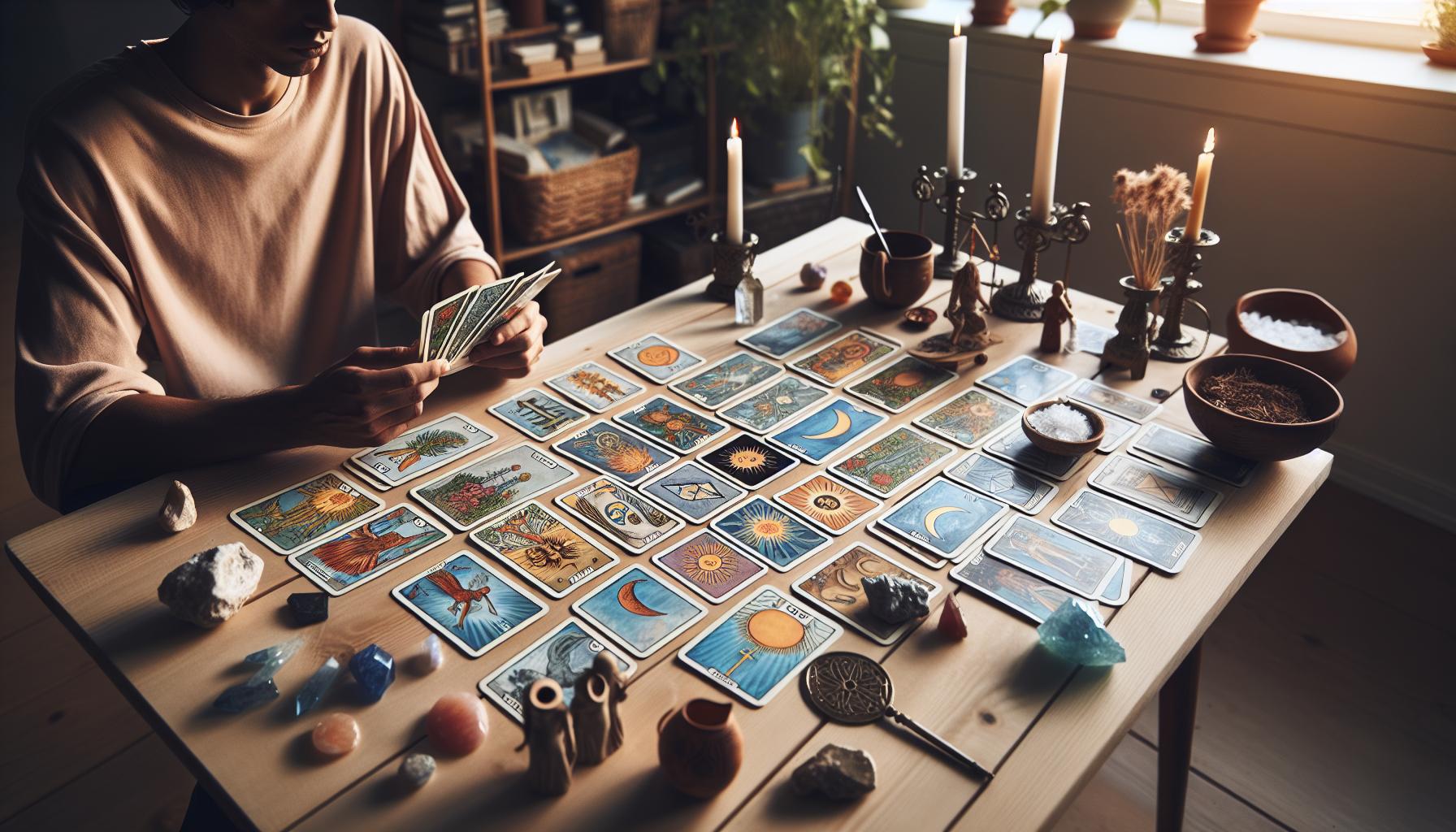
Exploring Tarot: Why Each Card Matters
Every tarot card holds a unique energy and message that can resonate deeply with your life experiences. Understanding why each card matters empowers you to delve into your own intuition and gain insights into your journey. Rather than viewing tarot merely as a tool for divination, consider it a mirror reflecting your inner state, desires, and challenges. Each card serves as a rich symbol, telling a story that can guide you in navigating your current path, illuminating choices, or revealing hidden aspects of yourself.
To effectively engage with tarot, it’s essential to familiarize yourself with the symbolism and meanings behind each card. The Major Arcana represents significant life events and spiritual lessons, while the Minor Arcana digs into the nuances of everyday situations. For instance, pulling The Fool might suggest embarking on a new beginning full of promise, while the appearance of The Tower could signify an unexpected upheaval demanding your attention. Embrace the personal nature of these messages; the same card can evoke different feelings and insights depending on your current life context.
When interpreting the cards, consider how their symbols interact with each other and with your personal narrative. Take notes and journal your interpretations to track patterns and revelations. This practice not only enhances your intuitive abilities but also creates a personal lexicon of meanings that resonates with you. As you explore tarot, remember that it is a highly accessible tool-regardless of your background or belief system. Engage with an open mind, and allow the cards to guide you through self-discovery, healing, and clarity.
The Major Arcana: Journey of the Soul
Every journey through life is marked by significant moments of growth and transformation, and the Major Arcana in tarot encapsulates these milestones beautifully. This series of 22 cards serves as a roadmap to the soul’s journey, highlighting crucial lessons and profound experiences that shape who we are. Each card represents not just a concept but an archetype that resonates with universally shared human experiences. By engaging with these cards, you can gain insightful perspectives on your life’s journey and the lessons that lie ahead.
The Fool marks the beginning, symbolizing new beginnings and the courage to embark on uncharted paths. It invites you to embrace spontaneity and trust in the process of life. Conversely, at the end of the journey, we find The World, representing completion, fulfillment, and the realization of one’s potential. Together, these cards frame a journey filled with growth, encouraging you to welcome both the challenges and victories.
In between, each card offers unique insights. For instance, The Empress embodies nurturing and abundance, urging you to connect with nature and the creative forces within. Meanwhile, Death speaks to transformation, reminding us that endings are essential for new beginnings. When faced with these cards in a reading, consider how their meanings resonate with your own experiences. Reflect on your current challenges and triumphs, as these insights can guide you toward personal evolution.
To deepen your understanding of the Major Arcana, approach your readings with openness and curiosity. Consider keeping a journal to record your reflections and insights from your tarot sessions. This not only enhances your interpretation skills but also helps you recognize recurring patterns in your life. Remember, tarot is a tool for self-discovery and personal empowerment, and the Major Arcana’s wisdom is available to everyone, regardless of your beliefs or previous experience.
Understanding the Minor Arcana: Daily Life Insights
The Minor Arcana is where the magic of everyday life unfolds in tarot. Comprising 56 cards divided into four suits-Cups, Wands, Swords, and Pentacles-these cards address the nuances of daily experiences and the emotions, actions, thoughts, and tangible realities we encounter. Unlike the Major Arcana, which highlight significant life events or spiritual lessons, the Minor Arcana dives into the details that comprise the day-to-day, offering insights that are deeply relevant to your personal situation.
Each suit represents a different aspect of life, with elements that resonate strongly in our daily routines. For example, Cups signify emotions and relationships, allowing you to explore feelings of love, happiness, and even grief. When a Cups card appears, consider what aspect of your emotional life needs attention. Maybe it’s time to reflect on a relationship that brings you joy or to address an unresolved feeling that has been lingering.
Wands are the suit of creativity and action, representing our drive and inspiration. A card from this suit might encourage you to initiate a new project or chase a long-held dream. If you pull a Wands card, think about how you can channel your energy productively-whether that’s through starting a fitness regimen, engaging in a new hobby, or launching a creative endeavor.
Conversely, Swords deal with intellect and conflict. This suit highlights thoughts, communication, and challenges. When Swords appear in your reading, pay attention to the mental challenges you may be facing and consider how to address them constructively. This could involve seeking clarity in a disagreement or working through a difficult decision, guiding you toward rational solutions.
Lastly, Pentacles relate to the material world, covering finances, work, and the physical aspects of life. These cards are vital for understanding how to manage resources or career-related issues. A Pentacle card could indicate a need to reassess your financial strategy or remind you of the importance of grounding yourself in reality.
Incorporating the Minor Arcana into your readings not only enriches your understanding of immediate circumstances but also empowers you to navigate everyday situations with greater awareness. Consider keeping a journal of your tarot pulls, particularly noting how the insights from the Minor Arcana reflect your life. This practice can enhance your intuitive skills and help you recognize which areas of your life require focus and attention. Each card offers a guidepost for daily decisions and emotional processing, reminding you that the art of tarot is a mirror reflecting your journey forward.
Wands, Cups, Swords, and Pentacles: Elemental Meanings
The beauty of tarot lies in its ability to reflect our diverse experiences through the lens of its four suits: Wands, Cups, Swords, and Pentacles. Each suit relates to a different elemental aspect of our lives, offering rich symbolism and guidance tailored to our emotional, creative, intellectual, and material journeys. Understanding these elemental meanings can deepen your tarot readings and enhance your connection to the cards.
Cups: The Realm of Emotion
Cups represent the element of water and are deeply tied to our feelings, relationships, and emotional well-being. When you pull a Cups card, it’s an invitation to explore your emotional landscape-from love and joy to sorrow and healing. Consider how your current relationships nourish or challenge you. For example, the Two of Cups can signify a blossoming partnership, urging you to nurture connections, while the Five of Cups may prompt a reflection on loss and encourage you to recognize the remaining positive aspects in your life.
Wands: The Fire of Creativity
Wands embody the element of fire, representing ambition, inspiration, and actions taken toward our goals. Encountering a Wands card in your reading can ignite your passions and propel you into action. The Three of Wands suggests expansion and exploring new horizons, encouraging you to step out of your comfort zone and pursue new opportunities. In contrast, a card like the Four of Wands signals celebration and harmony in your endeavors, reminding you to appreciate the fruits of your labor while fostering community and support.
Swords: The Air of Thought
Swords correspond to the element of air and are associated with intellect, conflict, and communication. This suit invites you to examine your thoughts and mental challenges critically. For instance, the Eight of Swords reveals feelings of restriction or entrapment, encouraging you to confront and overcome your limitations. Meanwhile, the Ace of Swords offers clarity and new ideas, highlighting the power of decisive thought to facilitate change. Each Swords card challenges you to navigate dilemmas with rationality and integrity.
Pentacles: The Earth of Materiality
Pentacles are connected to the earth element, focusing on material aspects like finances, career, and the physical realm. If you draw a Pentacles card, it may reflect your current relationship with resources and stability. The Seven of Pentacles invites you to assess your progress and determine where to invest your efforts for future growth, while the Tenn of Pentacles emphasizes wealth and legacy, encouraging reflection on the long-term impact of your material choices. Engaging with this suit helps ground your aspirations in reality, crafting a solid foundation for your future.
Exploring these elemental meanings can empower your intuition and enrich your readings. Each suit speaks to different dimensions of our lives, and by understanding their messages, you can harness tarot as a powerful tool for personal growth and self-awareness. Embrace this journey, and trust that the cards have much to offer in guiding you through your unique path.
Symbolic Imagery: Decoding Tarot Card Symbols
The imagery found in tarot cards is rich with symbolism, serving as a visual language that conveys deeper meanings and insights. Each symbol is deliberate, carefully chosen to encapsulate layers of meaning that resonate with our experiences and perceptions. For the aspiring tarot reader, understanding these symbols is a key step in unlocking the messages the cards have to offer.
One of the most common symbols you will encounter is the elemental association. Each suit corresponds with an element: Wands with Fire, Cups with Water, Swords with Air, and Pentacles with Earth. This elemental framework provides a foundation for interpretation. For example, a card from the Wands suit, like the Seven of Wands, often indicates challenges and competition, motivating you to stand your ground with passion and resilience. Conversely, Cups cards, such as the Five of Cups, encourage reflection on emotional loss, urging you to seek healing and reconnect with joy in your life.
Additionally, consider the colors used in the cards. Each hue can evoke an emotional response or symbolize different states of being. For instance, blue often represents calm and tranquility, while red can symbolize passion or conflict. The placement of figures within the card also conveys dynamic relationships and actions, such as a solitary figure indicating introspection or groups of figures depicting community and collaboration.
It’s important to pay attention to recurring symbols, such as animals or objects that consistently appear in certain cards. For example, the presence of the snake often signifies transformation and healing, particularly in the context of personal growth. By recognizing these patterns, you can add another layer of interpretation to your readings.
When you engage with tarot, allow yourself to explore the meanings personally as well. As you develop your understanding, maintain a tarot journal to note not just the standard interpretations, but also your intuitive responses to each symbol. This practice can deepen your connection to the cards and enhance your readings, empowering you to build a unique dialogue with the tarot that resonates with your own life experiences.
Interpreting Reversed Cards: Hidden Meaning Revealed
The reversal of tarot cards can add a fascinating layer to your readings, often revealing insights that are otherwise hidden. Many readers find that understanding reversed cards requires a shift in perspective. While upright cards generally reflect positive attributes or straightforward meanings, reversed cards often suggest an internal struggle, imbalance, or direction that needs reconsideration. This can manifest as a call to reflect inwardly for growth or acknowledge patterns that may require healing.
When interpreting reversed cards, consider the traditional meaning of the upright version first, then think critically about how that meaning can be flipped or turned on its head. For example, the Eight of Cups upright signifies leaving behind what no longer serves you, embracing change for a more fulfilling life. However, in reverse, it may reveal a fear of change or an inability to move on, hinting that despite feeling unfulfilled, there might be a reluctance to let go. This turn in perspective can guide you in understanding the querent’s barriers to progression.
It’s helpful to use a few practical techniques for interpreting reversed cards. Start by asking questions that delve into the potential blockages:
- What emotions am I avoiding?
- Where in my life am I experiencing stagnation?
- Is there an aspect of myself that needs nurturing or healing?
These questions can lead to deeper interpretations, transforming challenges into opportunities for self-reflection and growth.
Additionally, reversed cards can illuminate areas of strength that may be underutilized, showcasing a need to reclaim personal power. For instance, the Strength card, when reversed, could indicate a sense of self-doubt or lack of confidence. Yet, this can also be a call to cultivate inner resilience and embrace one’s authentic self, urging the individual to address insecurities.
Engaging with reversed cards transforms tarot from mere divination into a powerful tool for introspection and personal development. It encourages a dialogue around personal agency and empowerment, reminding us that while the cards can guide, it is ultimately our choices that shape our journey. As you practice, remember to trust your intuition; the insights you draw from reversed cards will become clearer the more you engage with this complex yet rewarding aspect of tarot.
Celtic Cross Spread: Using Cards for Deeper Insight
The Celtic Cross spread is one of the most recognized tarot spreads, celebrated for its depth and detail. If you’re seeking profound insights into your current situation or life path, this spread serves as an excellent framework to unveil the layers of your life’s narrative. Comprising ten cards, each positioned with intention, the Celtic Cross provides a comprehensive overview that helps illuminate not only external circumstances but also internal conflicts and hidden influences.
To begin your reading, shuffle your tarot deck while contemplating your question or the area of life you wish to explore. As you draw cards, lay them out according to the traditional layout:
- Card 1: The Present – What is happening now.
- Card 2: The Challenge – The main obstacle you face.
- Card 3: The Past – Influences from the past that affect your present situation.
- Card 4: The Future – Where you’re headed if things continue as they are.
- Card 5: The Above – Aspirations and conscious thoughts.
- Card 6: The Below – Subconscious influences and feelings.
- Card 7: Advice – Guidance for the query at hand.
- Card 8: External Influences – How others and the environment impact you.
- Card 9: Hopes and Fears – What you desire and what you dread.
- Card 10: Outcome – The probable conclusion based on current energies.
As you analyze each card, consider their meanings in relation to your question. This spread excels at exploring not just what is happening, but why it may be happening and how it can be navigated. For example, if the Two of Swords appears in the “Challenge” position, it may suggest a difficult decision awaits, urging you to seek clarity in your thoughts to move forward. Meanwhile, a Ten of Cups in the “Outcome” position serves as a hopeful indication of fulfillment and happiness if the current path persists.
Engaging with the Celtic Cross allows you to see connections between each card, helping to weave a narrative that encompasses both your external realities and internal landscapes. This holistic view can lead to transformative realizations, encouraging you to harness the wisdom of the cards to navigate your journey thoughtfully. Remember, the tarot is not just about predicting the future; it’s about understanding yourself better and recognizing the choices you have at your disposal. As you familiarize yourself with this spread, trust your intuition; the true magic of tarot lies within your unique interpretations and insights.
Three-Card Spread: Quick Guidance and Clarity
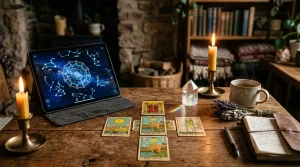
The three-card spread is a fantastic tool for those looking to gain swift clarity on a specific question or situation. Whether you’re experienced in tarot or just starting your journey, this spread offers an accessible way to explore your thoughts and feelings. By drawing three cards, you can illuminate different aspects of your query, providing insights that are both actionable and significant.
To perform a three-card spread, simply shuffle your deck while focusing on your question. Once you feel ready, draw three cards and lay them in a row from left to right. Each position represents a unique aspect of your inquiry:
- Card 1: Represents the past influences affecting the situation.
- Card 2: Reflects the present circumstances or the current state of affairs.
- Card 3: Offers insight into the potential future outcome or advice moving forward.
For example, if you draw the Eight of Cups in the past position, it might suggest that you’ve recently walked away from something emotionally unfulfilling. The Two of Pentacles as the present card could indicate you’re currently juggling multiple responsibilities, feeling the need for balance. Finally, if the Six of Wands appears in the future position, this could signal that your efforts will be recognized and rewarded, bringing success your way.
This simple but powerful spread allows you to see how past actions shape present realities and how these, in turn, influence potential outcomes. Remember, your intuition is your best ally in interpreting the messages from the cards. Reflect on how each card’s meaning connects with your life and situation. As you practice with the three-card spread, you’ll grow in confidence, enhancing your understanding of tarot’s symbolism and the wisdom it offers.
Intuitive Reading Techniques: Trusting Your Instincts
Trusting your instincts is fundamental to the practice of tarot reading, making it an enriching experience that transcends mere card interpretations. When you approach your deck, allow your intuition to guide you. Each card holds layers of meaning that resonate differently depending on your unique experiences and the questions you hold in your heart at that moment. This connection makes every reading personal and transformative, revealing truths and insights that logic alone might overlook.
One effective way to enhance your intuitive skills is by creating a quiet, sacred space for your readings. Before you shuffle your cards, take a few deep breaths to center yourself. Focus on your intention or question, and perhaps even state it aloud. As you draw each card, pause and observe your immediate feelings or thoughts. What images or emotions surface? For instance, if you draw the Moon, which usually symbolizes intuition and the unconscious, you might feel a sense of mystery or uncertainty. These reactions are just as significant as traditional meanings; they can offer clarity about your current situation.
Consider keeping a tarot journal where you can document your readings and the intuitive insights that arise. After each session, write down not only the card meanings but also your feelings and interpretations. This practice helps to track your growth as a reader, deepens your understanding of the cards, and validates your instinctive responses. For example, you might start noticing patterns in how different cards resonate with you over time, which can further sharpen your intuitive abilities.
As you gain confidence in your intuitive reading techniques, remember that there is no right or wrong way to interpret the cards. Every reader has a unique relationship with their tarot deck. Whether you lean heavily on traditional interpretations or find yourself drawn to more personal meanings, trust the process. Embrace the fluidity of tarot, and know that your instincts can uncover profound insights within the rich tapestry of symbolism each card presents.
Common Tarot Myths: Debunking Misconceptions
Many people hold misconceptions about tarot cards, often viewing them through the lens of superstition or misunderstanding. One common myth is that tarot cards predict the future with absolute certainty. In reality, tarot is more about guidance and insight rather than fixed outcomes. Each reading provides a snapshot of the energies and influences at play in your life at the moment, inviting introspection and deeper understanding. It’s essential to recognize that while the cards can highlight potential paths, your actions ultimately shape your destiny.
Another prevalent myth is the idea that tarot cards should only be used by those with special powers or heightened intuition. This could not be further from the truth-tarot is a tool accessible to everyone, regardless of metaphysical experience. Anyone can learn the meanings of the cards, develop their intuitive readings, and grow in their practice over time. It’s less about mystical abilities and more about reflection and connection with oneself and the universe.
Many believe that certain cards, especially those deemed ‘bad,’ carry only negative meanings. For instance, the Tower or the Death card often incites fear. However, these cards symbolize transformation and the clearing away of old structures for new growth. Understanding the context of these cards within a reading can reveal insights about necessary changes and personal evolution rather than doom and gloom.
Lastly, there’s a misconception that tarot should be treated with absolute reverence, which can discourage people from exploring it. In truth, engaging with tarot can be a joyful and empowering experience. It encourages creativity, critical thinking, and emotional expression. Whether used for personal reflection or as a tool for helping others, tarot is an enriching practice that fosters connection, understanding, and growth. Embrace the journey without fear and allow the cards to open new avenues of clarity and wisdom in your life.
Choosing Your Tarot Deck: Finding the Right Fit
Choosing the right tarot deck is a personal journey akin to finding a trusted companion for your spiritual explorations. Each deck has its unique energy, artwork, and symbolism, which can significantly influence your readings and personal connection to the cards. Whether you’re drawn to the traditional imagery of the Rider-Waite deck or the whimsical art of a fairy-themed deck, your choice should resonate with your intuition and essence.
When selecting a tarot deck, consider the following factors to ensure a match that feels right for you:
Visual Appeal
The artwork of a tarot deck plays a substantial role in your connection to it. Look for decks that evoke strong feelings-whether joy, curiosity, or comfort. The imagery should inspire you to engage with the cards regularly. Spend time browsing different decks online or in stores, noting which designs draw you in. For example, the vibrant colors and modern interpretations of the Morgan-Greer Tarot may appeal to some, while others might prefer the minimalistic style of a deck like the Light Seer’s Tarot.
Symbolism and Themes
Different decks emphasize varying themes and symbolism. Some might align closely with traditional tarot interpretations, while others take creative liberties or focus on specific cultures or philosophies. If a particular theme, like nature, mythology, or pop culture, resonates with you, seek out a deck encapsulating those elements. The Wild Unknown Tarot, for instance, features animals and nature scenes that may draw in those with a deep appreciation for the environment.
Readability
As a beginner, it’s crucial to choose a deck that you can easily understand and interpret. Look for keywords or guidebooks that accompany the deck to help navigate your learning process. Cards with clear imagery and straightforward symbolism can enhance your readings’ clarity. A deck designed specifically for newcomers, like the Everyday Tarot, often includes simpler illustrations and explanations, making it easier to grasp card meanings.
Community and Support
The tarot community is vast and welcoming, providing a wealth of resources to learn from. Once you find a deck that resonates, consider joining forums, social media groups, or workshops focused on that deck. Engaging with fellow enthusiasts can deepen your understanding and confidence in your readings, while also providing new perspectives on interpreting the cards.
Ultimately, the best tarot deck for you is one that reflects who you are and inspires your intuition. Remember, there’s no wrong choice-your ideal deck will be one that you feel a genuine connection with, enhancing your journey through the tarot. Allow yourself to explore, experiment, and trust in your instinct as you embark on this transformative path.
Enhancing Your Practice: Journaling and Reflecting
Engaging with tarot isn’t just about reading the cards; it’s a dynamic journey that can be deepened through personal reflection and journaling. By documenting your thoughts, feelings, and insights after each reading, you can uncover layers of understanding that may not emerge in the moment. This practice transforms your tarot experience into a richer tapestry of growth and self-discovery, allowing you to track patterns and insights over time.
Start by creating a dedicated tarot journal. This can be a simple notebook or a digital document-anything that feels comfortable for you. After each reading, take a moment to jot down key elements such as the cards drawn, the context of your question, and your immediate reactions. Here are a few prompts to help guide your entries:
- Initial Impressions: What emotions do the cards evoke? Which symbols stand out the most?
- Card Meanings: What do you know about the meanings behind the cards drawn? How do they relate to your question?
- Personal Reflection: How does this reading connect to your life right now? Did any past experiences come to mind?
- Follow-Up Actions: What steps can you take moving forward based on this reading?
Review your journal periodically. This practice will help you see how your interpretations and intuition evolve. For instance, if you consistently draw the Lovers card when inquiring about relationships, reflect on how your understanding of love and partnership might have shifted over time. You may find that small, seemingly insignificant details add up to profound realizations about your patterns, strengths, and challenges.
Integrating journaling with your tarot practice not only solidifies your relationship with the cards but also nurtures your intuitive abilities. Trust that your reflections, no matter how simple, are valuable contributions to your journey of self-exploration through the rich landscape of tarot symbolism. Remember, there’s no right or wrong way to interpret your experience-what matters most is honoring your unique voice within this mystical practice.
Faq
Q: What are the meanings of the Major Arcana cards in Tarot?
A: The Major Arcana cards represent significant life events and spiritual lessons. Each card, such as The Fool (new beginnings) or The World (completion), reflects deep archetypes. Understanding these meanings is essential for a thorough Tarot reading. For detailed interpretations, refer to the section on The Major Arcana: Journey of the Soul.
Q: How do I interpret the Minor Arcana in a Tarot reading?
A: The Minor Arcana cards reveal day-to-day experiences and challenges. Divided into four suits-Wands, Cups, Swords, and Pentacles-they convey different aspects of life. Focus on the context of the question and the card’s suit for clearer insights. Explore more in Understanding the Minor Arcana: Daily Life Insights.
Q: What do reversed Tarot cards signify?
A: Reversed Tarot cards often suggest the opposite or a blockage of the upright meaning. For instance, a reversed Lovers card might indicate disharmony. It’s crucial to consider reversals in your readings to uncover hidden messages, as discussed in Interpreting Reversed Cards: Hidden Meaning Revealed.
Q: How can I use Tarot spreads to enhance my readings?
A: Tarot spreads, like the Celtic Cross or Three-Card Spread, provide structure and depth to readings. Each position in the spread represents a different aspect of the question. Practicing various spreads helps improve your intuitive understanding and interpretation skills. Check out Celtic Cross Spread: Using Cards for Deeper Insight for examples.
Q: What is the significance of symbols in Tarot cards?
A: Symbols in Tarot cards enhance the card’s meanings and personal messages. For example, a lion in the Strength card symbolizes courage. Observing these images can deepen your interpretation and connection to the reading. Learn more in Symbolic Imagery: Decoding Tarot Card Symbols.
Q: How can I choose the right Tarot deck for me?
A: Selecting a Tarot deck comes down to personal resonance with the artwork and themes. Consider trying out different decks to see which one feels aligned with your intuition. This choice enhances your reading practice-dive deeper into Choosing Your Tarot Deck: Finding the Right Fit for guidance.
Q: Why is journaling important in Tarot practice?
A: Journaling creates a space for reflection and tracking your Tarot journey. Documenting your readings helps identify patterns, clarify insights, and develop your intuitive abilities. For effective strategies, refer to Enhancing Your Practice: Journaling and Reflecting.
Q: How can I build confidence in my Tarot reading skills?
A: Building confidence in Tarot readings comes with practice and self-acceptance. Start with simple readings and gradually explore complex spreads. Engage with communities or resources for support and learning, as addressed in various sections of the article.
Closing Remarks
Unlocking the secrets of each Tarot card is just the beginning of your journey into this mystical realm. Remember, the symbolism we’ve discussed empowers you to interpret your own readings, helping you connect deeper with your intuition. If you’re curious about practical applications, explore our free 3-Card Tarot Career Reading for tailored insights into your professional life, or venture into our Yes/No Tarot Reading for immediate clarity on pressing questions.
Don’t let the magic stop here! Sign up for our newsletter to receive exclusive content and updates, or dive into our comprehensive guide on cleansing your Tarot cards to enhance your readings. The world of Tarot holds endless possibilities-keep exploring to unveil deeper meanings and strengthen your connection to this ancient art. Share your thoughts and experiences in the comments below; we’d love to hear how Tarot has influenced your life!
Get our latest guides, news, and insights highlighted in your Google Search & AI Overviews.