Tarot cards can be a powerful tool for self-discovery and guidance, but knowing what questions to ask is essential for a meaningful reading. Whether you’re seeking clarity on love, career, or personal growth, the right prompt can unlock insights you didn’t even know you needed. By understanding how to frame your inquiries, you can connect deeper with your inner wisdom and the energies around you.
Have you ever found yourself at a crossroads, unsure of which path to take? Asking the right questions can illuminate your choices and serve as a compass for your journey. In this guide, you’ll discover a variety of thoughtful prompts to inspire your tarot readings, whether you’re a beginner or an experienced seeker. Dive in to learn how to articulate your concerns and desires, transforming your tarot practice into a profound exploration of your life’s possibilities. Embrace the magic of inquiry, and let’s unfold the secrets your cards hold for you!
What Are Tarot Cards and Their Purpose?
Imagine holding a deck of cards that serves as a mirror reflecting your inner thoughts and feelings. Tarot cards are much more than just a mystical tool; they are a gateway to self-discovery and personal insight. Each card is imbued with rich symbolism and meaning, providing a narrative that can guide you through the complexities of life. Whether you’re a skeptic or a seasoned reader, the Tarot invites everyone to explore their intuitive potential and discover deeper truths about themselves.
At their core, Tarot cards facilitate a unique conversation between your conscious mind and the subconscious. Through structured spreads and well-formed questions, they allow users to tap into their intuition and gain clarity on various aspects of life such as relationships, career choices, and personal challenges. The imagery on the cards-ranging from joyous triumphs symbolized by the Sun to introspective moments reflected in the Hermit-can evoke deep emotional responses and insights tailored to your current life situation.
For beginners, the purpose of Tarot can be simplified into three main areas: self-reflection, guidance, and decision-making. By asking profound questions-like “What do I need to learn from this situation?” or “How can I move forward?”-you can navigate personal dilemmas and explore opportunities for growth. With practice, you’ll find that these cards enhance your ability to listen to your intuition and foster a greater understanding of your emotional landscape.
As you venture deeper into the practice, you may discover that the true power of Tarot lies not just in predicting the future but in illuminating your path and choices. This blend of symbolism and personal reflection makes Tarot a versatile tool for enlightening your spiritual journey, revealing the layers of your psyche, and ultimately guiding you toward personal empowerment.
Essential Tarot Card Spreads for Beginners
When embarking on your Tarot journey, selecting the right spreads can make all the difference in understanding your questions and gaining insights. A Tarot spread serves as a framework that organizes the cards’ messages, helping you delve into your inquiries with clarity. Here are some essential spreads ideal for beginners, each designed to address specific aspects of your life and facilitate meaningful exploration.
Three-Card Spread
This versatile layout is perfect for a quick insight into any situation. You can use it to explore past, present, and future dynamics regarding a specific question. Here’s how to approach it:
- Shuffle your deck while focusing on your question.
- Draw three cards and place them in a row.
- Interpret the cards as follows:
– First card: Represents the past influences on your question.
– Second card: Reflects your present situation or challenge.
– Third card: Offers guidance for future actions or outcomes.
For example, if you’re pondering a career change, the first card may highlight previous experiences that have shaped your desire, the second card could signify your current job’s emotional toll, and the third may suggest the potential paths forward.
Past-Present-Future Spread
Similar to the three-card spread, this layout dives deeper into your past, present, and future by utilizing additional layers of meaning. Here’s a step-by-step approach:
- Prepare a clear question: What do you want to uncover about your life?
- Draw one card for each timeframe-past, present, and future.
- Reflect on each card’s position:
– Look at how past experiences have led you to your current state.
– Analyze your present circumstances.
– Contemplate the possible future implications.
This spread allows for a comprehensive reflection on how your history informs your present and shapes your future.
Five-Card Cross Spread
For those ready to explore a bit more complexity, the Five-Card Cross Spread provides a detailed view of circumstances surrounding a query. Each card has a unique purpose:
- Shuffle and draw five cards, laying them out in a cross formation.
- Assign meanings to each position:
– Card 1: Current situation.
– Card 2: Challenges you face.
– Card 3: Past influences.
– Card 4: Future possibilities.
– Card 5: Advice or guidance.
This spread enables you to navigate obstacles more clearly and receive sage advice tailored to your situation.
Advice for Effective Use of Spreads
- Focus on your intentions: Write down your question beforehand to cement your purpose.
- Trust your intuition: Allow yourself to feel the messages from the cards; they often communicate through symbolism and your personal emotions.
- Practice regularly: The more you familiarize yourself with the spreads and card meanings, the more confident you’ll become in your readings.
Embrace these beginner-friendly spreads as tools to unlock your intuition and guide your journey with Tarot. Whether you seek clarity in relationships, career decisions, or personal growth, each spread opens a doorway to understanding and reflection.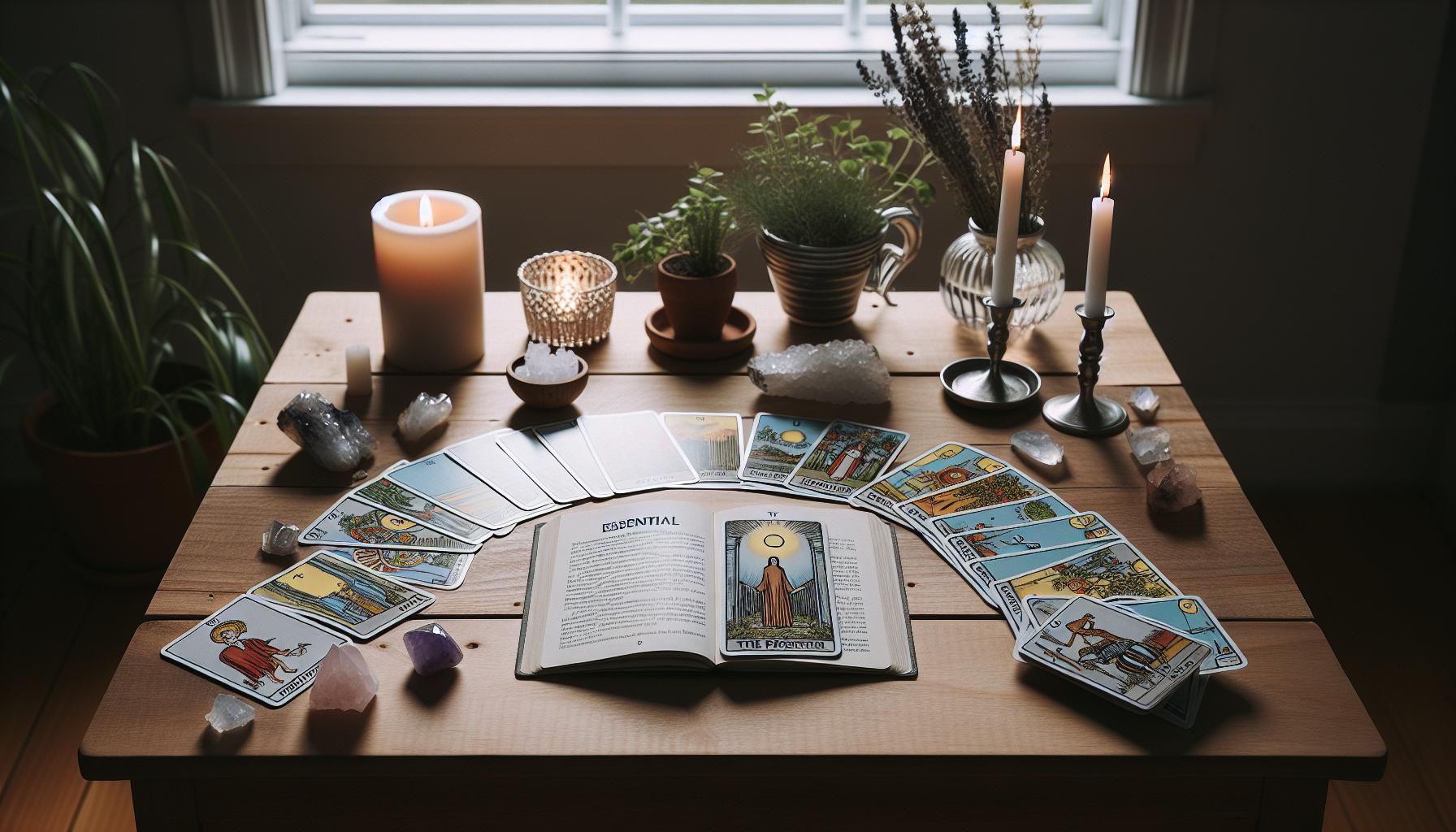
Questions to Ask for Personal Growth Insights
Understanding the right questions to ask when using Tarot can be transformative. Tarot serves as a reflective mirror, illuminating areas of our lives that may need attention or growth. To facilitate personal growth insights, consider prompting the cards with questions that delve into your inner world. These inquiries should be open-ended, encouraging exploration rather than simple yes/no answers. Here are some effective prompts to get you started:
- What lessons can I learn from my current challenges? – This question invites the cards to reveal insights about the obstacles you face, helping you reflect on their deeper significance.
- What personal strengths should I embrace to achieve my goals? – Focusing on personal strengths can empower you, guiding you to recognize and utilize your unique qualities.
- How can I better nurture my creativity? – This question opens the door to discovering ways to unblock creative energy and reignite passions.
- What patterns from my past should I acknowledge to move forward? – By addressing recurring patterns, you can break free from limiting behaviors and foster healthier choices.
- What steps can I take to improve my self-esteem? – This prompt encourages the cards to shine a light on actions that can enhance your self-worth and personal value.
These prompts not only stimulate profound reflection but also help you uncover areas where you might be holding back. When formulating your questions, remember to focus on your intentions; clarity will guide the reading more effectively.
After you draw your cards in response to these questions, take time to interpret the messages. For instance, if you draw The Empress in response to nurturing creativity, this may indicate a time of abundance and encouragement to allow creative projects to flourish. Allow the imagery and symbols of the cards to speak to you personally, and don’t hesitate to journal your thoughts and feelings about each reading. This practice not only strengthens your intuitive skills but also contributes to your overall personal development. Embrace the journey with an open heart and mind, as each reading can provide meaningful insights tailored to your unique path.
Exploring Love and Relationships through Tarot
Tarot can be a powerful tool when navigating the complex waters of love and relationships. Whether you’re seeking clarity about a current relationship, understanding the dynamics with a potential partner, or exploring your feelings about love in general, Tarot offers unique insights that help you connect with your inner self and deepen your understanding of your desires and needs.
When approaching Tarot for matters of the heart, consider asking open-ended questions that delve into your emotional landscape. Here are a few prompts to get you started:
- What do I truly desire in my romantic relationships? – This question encourages exploration of your authentic wants and needs, guiding you towards fulfilling connections.
- What challenges am I facing in my current relationship? – Drawing cards in response invites reflection on specific issues, helping clarify what might be creating tension or misunderstanding.
- How can I cultivate a healthier relationship with myself before seeking love from others? – By turning the focus inward, you may discover areas that require healing or self-love, which is essential for attracting the right partner.
- What is the lesson I need to learn from my past relationships? – Reflecting on past experiences can reveal patterns that you might want to change, promoting growth and healthier future relationships.
- In what ways can I enhance communication with my partner? – This inquiry not only sets the stage for understanding current dynamics but also opens doors to actionable steps for improvement.
As you draw your cards, let their imagery speak to you. For instance, if you pull The Lovers alongside The Two of Cups, you may interpret this as a strong affirmation of harmony and mutual respect in your relationships. Conversely, drawing The Tower might highlight disruptions that need to be addressed for realignment.
Remember, Tarot is about intuition as much as interpretation. Don’t hesitate to journal your thoughts about the reading. Capture not only the messages from the cards but also your emotional responses to them. Embracing this reflective practice can enhance your self-awareness and empower you to approach love and relationships with both confidence and openness. This journey is unique to each individual, so trust your intuition and let it guide you toward your heart’s truths.
Using Tarot for Decision-Making and Clarity
Making important decisions can often feel overwhelming, but Tarot can serve as a guiding light, offering clarity and insight. By framing your questions thoughtfully, you can unlock the wisdom of the cards, helping you navigate complex choices. Whether you’re contemplating a career move, deciding on a relationship, or weighing major life changes, the Tarot provides a unique lens through which you can evaluate your options.
To harness the power of Tarot for decision-making, start with specific, open-ended questions. Here are some prompts to consider:
- What are the potential outcomes of making this decision? – This invites you to explore various paths and their implications.
- What factors do I need to consider that I may be overlooking? – This question encourages a deeper look into possible blind spots.
- How can I align this decision with my true values and goals? – Reflecting on your core beliefs can guide you toward choices that resonate with your authentic self.
- What might I gain or lose by making this choice? – Understanding the trade-offs can provide necessary perspective.
- What strengths or resources do I have that can support this decision? – Acknowledging what you have at your disposal can boost your confidence.
When you draw your cards, pay attention to how they interact with your questions. For example, pulling The High Priestess might indicate that now is the time to trust your intuition regarding the decision at hand, while The Chariot could symbolize the need for determination and focus. As you explore different card meanings, don’t hesitate to journal your thoughts. What feelings accompany each card? How do they relate to your situation?
Remember, the journey through Tarot is as much about self-discovery as it is about seeking answers. The more you engage with your readings, the more attuned you’ll become to your intuition and the insights the cards offer. Embrace this process without judgment, and allow yourself to be guided by the wisdom that arises-both from the cards and within you. Through this practice, decisions that once seemed daunting can become clearer, empowering you to move forward with confidence.
Career and Finance: Tarot Queries That Help
In the fast-paced world of career and finance, Tarot can serve as a powerful ally, helping you make informed choices and empowering you to navigate workplace dynamics and financial decisions. The cards act as mirrors reflecting your current situation while revealing hidden opportunities and challenges. When approaching a Tarot reading focused on your career or finances, the key lies in asking the right questions that resonate with your inner needs and aspirations.
Start by formulating questions that are specific, yet open-ended. Here are some examples to inspire your inquiry:
- What steps can I take to advance in my career? – This question encourages exploration of both proactive measures and potential obstacles.
- How can I better align my work with my personal values? – Drawing cards in response to this question can unveil insights on finding fulfillment in your job.
- What skills should I develop to improve my financial situation? – This inquiry can help identify areas for personal growth that are directly tied to financial success.
- What do I need to release to attract better opportunities? – By uncovering what might be holding you back, you pave the way for new possibilities.
- How do my current financial choices affect my future? – This question allows the cards to highlight the long-term consequences of your decisions.
As you shuffle and draw your cards, pay close attention to their meanings and the stories they weave together. For example, if you draw the Eight of Pentacles, it may signify diligent work and mastery, suggesting that dedication to honing your skills can lead to advancement. Conversely, a card like The Tower might indicate sudden change or upheaval, prompting self-reflection on how to adapt your strategies in response to unexpected challenges.
Ultimately, the Tarot offers a collaborative space where you can deepen your understanding of your career and financial landscape. Journaling your thoughts during and after readings can enhance your insights, capturing not just the card interpretations but also your intuitive responses. Remember, this practice is a unique journey of self-discovery, allowing you to glean wisdom from both the cards and your own inner voice. Embrace the process, and let the Tarot guide you toward informed decisions and a more empowered path in your career and finances.
Dealing with Challenges: Questions for Healing
It’s not uncommon to face challenges that feel overwhelming and insurmountable. Yet, using Tarot as a tool for healing can offer profound insights and clarity. By posing the right questions, you can unlock deeper layers of understanding about your struggles and the path toward resolution. Whether you’re dealing with emotional turmoil, relationship issues, or personal roadblocks, the Tarot can guide you through self-discovery and empower you to find healing.
Start by considering what specific challenge you are facing. Here are some thoughtful questions to ask while engaging with the Tarot that can open pathways to healing:
- What lesson can I learn from this challenge? – This question encourages reflection on the current situation, highlighting personal growth opportunities.
- What emotions are blocking my healing process? – Understanding your emotional landscape is crucial for healing. The cards can reveal what you may need to confront.
- How can I better care for myself during this time? – Drawing cards with this intention can provide guidance on self-nurturing practices tailored to your needs.
- What actions can I take to move forward? – This invites proactive thinking, allowing the Tarot to illuminate steps you can take to overcome barriers.
- What positive attributes should I focus on to aid my healing? – This question helps shift your perspective towards strengths and resources that facilitate recovery.
As you lay out your cards, notice how each one resonates with your current feelings and thoughts around the challenge. For example, drawing The Star may suggest a need for hope and healing, encouraging you to keep faith as you work through difficulties. Conversely, a card like the Seven of Cups might symbolize confusion and indicate that now is the time to clarify your priorities.
From this self-guided inquiry, take notes on the insights that surface during your reading. Journaling your reflections not only solidifies your understanding but can also help track your emotional progress over time. Remember, the ultimate goal is to cultivate a sense of empowerment and healing. Embrace this journey as a process-one that is uniquely yours. The Tarot serves as a compassionate companion, urging you to delve deeper into your inner world as you navigate through challenges toward a brighter state of being.
Advanced Techniques: Asking Deep, Reflective Questions
To truly harness the wisdom of Tarot, it’s essential to move beyond surface-level questions and dive into deeper, reflective inquiries. These advanced techniques can facilitate profound insights and transformative realizations. By asking the right questions, you invite the Tarot to shed light on complex emotions, motivations, and life lessons, nurturing a deeper connection between your intuition and the cards.
When framing your questions, focus on open-ended prompts that encourage exploration rather than simple yes/no answers. For instance, instead of asking, “Will I be successful?” consider “What steps can I take to align with my path to success?” This shift invites the cards to provide actionable guidance that empowers you to make informed choices. Here are some examples of reflective questions to guide your readings:
- What hidden strengths do I possess that can help me overcome my current challenges?
- How can I better understand my fears to transform them into fuel for growth?
- What lessons am I meant to learn from my past experiences?
- What do I need to release to invite positive energy into my life?
Additionally, consider incorporating a journaling practice alongside your readings. After you draw your cards, take a moment to jot down your initial thoughts and feelings. Reflect on how the symbols, colors, and stories within the cards resonate with your current life situation. For example, if you draw the Tower, it may represent upheaval, urging you to ask, “What aspects of my life are in need of change?” This engagement with the cards can reveal layers of meaning that may initially go unnoticed.
Finally, remember that intuition plays a vital role in your Tarot practice. Trust your instincts when interpreting the cards. Let your mind wander freely; sometimes, the most profound messages come from unexpected connections. Combine structured questioning with spontaneous insights to cultivate a rich tapestry of understanding. This balance will empower you to draw deeper truths from each reading, enhancing both your personal journey and your relationship with the Tarot.
Incorporating Intuition in Your Tarot Practice
Building a strong connection with your intuition is a transformative aspect of your Tarot practice. It encourages you to engage with the cards in a deeply personal way, opening the door to insights that may not be immediately visible on the surface. Each time you shuffle the deck, think of it as an opportunity to attune your inner voice to the messages waiting to unfold. This intuitive approach isn’t just about reading card meanings; it’s about letting those meanings resonate within you, allowing your unique perspective to guide your readings.
One effective strategy for enhancing your intuition is to incorporate visualization techniques. Before you begin a reading, take a moment to ground yourself. Close your eyes and envision your energy connecting with the cards. Imagine each card holding a story or aspect of your query, waiting patiently for you to discover it. When you draw a card, instead of jumping straight to its traditional meaning, pause. Ask yourself what feelings or images arise within you. For instance, if you pull the Ace of Cups, instead of immediately thinking of new relationships or emotional beginnings, reflect on what that imagery evokes personally-perhaps it reminds you of a time when you felt overflowing joy or the need to express love. This practice can deepen your understanding and provide a more nuanced interpretation based on your own life experiences.
Additionally, journaling is a powerful tool to hone your intuitive insights. Create a dedicated Tarot journal where you can document not only the spreads and meanings but also your emotional reactions and intuitive hits. After each reading, write down your thoughts about the cards, the imagery that stood out, and any feelings or sensations you experienced. Over time, you may notice patterns and connections that previously went unnoticed, enriching your intuition and understanding of the cards. For example, after consistently drawing cards related to specific themes-such as the Two of Swords when you’re facing decisions-you might recognize a deeper intuitive message about needing clarity or decisiveness in your life.
Finally, trust is paramount in cultivating intuition. It might feel intimidating to trust your instincts, especially for beginners, but with practice, it becomes second nature. Each reading is a partnership between you and the cards. Remember, Tarot is as much about personal exploration as it is about divination. Embrace the process; allow yourself to be curious, creative, and confident in interpreting what the cards reveal to you. The more you practice, the stronger your intuitive abilities will become, transforming your readings into rich journeys of discovery.
Interpreting Card Combinations: A Deeper Dive
Interpreting Tarot card combinations is a nuanced skill that can reveal profound insights into your questions or situations. Each card in a spread carries its unique energy and symbolism, but when combined, the messages can shift dramatically-creating a narrative that deepens your understanding. It’s like weaving a story with multiple threads; each thread adds texture, color, and depth.
To effectively interpret card combinations, start by focusing on the individual meanings of each card. This foundational knowledge is crucial. For example, if you draw the Three of Cups alongside the Five of Pentacles, consider what each card represents separately: celebration and joy versus hardship and exclusion. Then, contemplate how they interact. This combination could suggest that while you may be celebrating in one area of your life, there is an underlying sense of loss or emotional distance that needs addressing.
Next, pay attention to the position of the cards and their relationships. Look for astrological correspondences, elemental links, or themes. Cards that share the same suit often resonate more deeply when paired. For instance, two cards from the Cups suit might amplify emotional messages-addressing feelings, relationships, or creative pursuits specifically. Pay attention to contrasts as well. Combining cards like the Emperor (authority, structure) with the Hanged Man (surrender, new perspectives) could reveal a conflict between control and letting go, urging you to find balance between action and patience in your approach.
In practice, you could create a simple spread with just three cards: one representing the past, one the present, and one the future. As you interpret the combinations, ask yourself reflective questions like: “What common themes emerge?” or “How do the energies of these cards influence one another?” This reflective process not only clarifies the insights but also enhances your intuitive understanding, making your readings richer and more meaningful.
Finally, don’t forget to trust your intuition throughout this process. The combination of logical reasoning and intuitive insight often leads to the most profound revelations. Ultimately, Tarot is a personal journey, and the interpretations of card combinations should resonate with your experiences and questions. By practicing this skill, you’ll find yourself becoming more adept at unraveling complex messages and confident in your readings.
Common Misconceptions About Tarot Questioning
Many people dabble in Tarot, yet misconceptions abound about the kinds of questions one should ask and the role of Tarot in personal introspection. It’s essential to clarify that Tarot is not just a fortune-telling tool. Rather, it serves as a mirror for your thoughts, emotions, and life circumstances. When approached with an open mind, Tarot reveals profound insights and empowers you to engage in self-reflection, rather than simply seeking answers from an omniscient source.
A common myth is the notion that Tarot readings should only consist of yes-or-no questions. While these can provide some clarity, they often limit the depth of insight available. Instead, consider framing your questions in a way that invites exploration and dialogue. For instance, asking “What can I learn about my current relationship challenges?” tends to elicit richer responses than a simple “Will my relationship improve?” Engaging with the cards in this way opens up greater avenues for growth and understanding.
Another frequent misconception is the belief that Tarot is only for the mystical or esoteric-minded individuals. In reality, anyone can benefit from Tarot as long as they approach it with curiosity and a desire for self-exploration. Whether you’re a seasoned spiritual seeker or a curious skeptic, your questions can lead to valuable insights. It’s about utilizing the Tarot’s storytelling capacity to highlight personal truths and discern paths forward.
Moreover, some people think that seeking guidance from Tarot signifies weakness or indecision. However, using Tarot reflects a proactive approach to navigating life’s complexities. It encourages you to take an active role in understanding your feelings and choices, thereby empowering you on your journey. So, when you sit down with your deck, remember that the questions you ask are not just about seeking predictions; they are an invitation for deeper self-awareness and insight. Let go of misconceptions and embrace the empowerment that Tarot can offer.
Creating Your Personal Tarot Question List
Creating your own list of questions for a Tarot reading can significantly enhance your experience and outcomes. This personal approach allows you to target specific areas of your life that warrant deeper exploration, whether it be love, career, or emotional well-being. Think of your questions as gateways-each one opens a path to insight that can illuminate complex situations.
To start, consider what aspects of your life you feel uncertain about or wish to understand more fully. Begin with broad themes and then narrow them down into specific questions. For example, if you’re contemplating a career change, you might ask, “What skills do I need to develop for my next role?” Instead of a yes-or-no format, frame your questions in open-ended ways that encourage a dialogue. This invites the cards to speak; for instance, “What challenges should I prepare for as I pursue this change?”
Another effective strategy is to categorize your questions based on different areas of your life. Here are some categories and prompts you could use:
Personal Growth
- What beliefs are holding me back from achieving my goals?
- How can I cultivate self-love and confidence?
Relationships
- What can I learn from my current relationship?
- How can I improve my communication with loved ones?
Career and Finances
- What is my next best step in my current job?
- How can I align my career path with my passions?
The aim is to develop a diverse list that resonates personally with you. As you begin to formulate your questions, trust your intuition. Don’t shy away from asking difficult or vulnerable questions; these often lead to the most valuable insights. When you sit down for your reading, take a moment to reflect on your intent and the questions you’ve crafted. This preparation can enhance your connection with the cards and enrich your understanding of their messages.
Consider keeping a journal of your questions and insights post-reading. Not only does this help you track your progress, but it also allows for a reflective process that promotes personal growth. Over time, you’ll find that the questions evolve as you do, deepening your connection to this powerful tool of self-discovery.
Frequently Asked Questions
Q: What are the best types of questions to ask Tarot cards?
A: The best types of questions are open-ended, allowing for deeper insights. Focus on areas like personal growth, love, career decisions, or challenges you face. For example, ask “What can I do to enhance my happiness?” instead of yes/no questions to gain more nuanced guidance.
Q: How can I frame my questions for a Tarot reading?
A: Frame your questions with clarity and intention. Start with “How,” “What,” or “Why” to encourage exploration. For instance, instead of “Will I get this job?” ask “What do I need to know to excel in my job interview?” This will prompt the cards to reveal relevant insights.
Q: Why is it important to ask the right questions in Tarot?
A: Asking the right questions is crucial as it directs the focus of the reading. Well-crafted questions can uncover deeper truths and provide actionable insights, leading to more beneficial outcomes and personal discoveries.
Q: When is the best time to consult Tarot cards for guidance?
A: The best time to consult Tarot cards is when you’re facing uncertainty or have major decisions to make. You can also use Tarot during significant life changes or when you seek clarity in ongoing situations, helping you to navigate with confidence.
Q: What should I avoid when asking questions in Tarot?
A: Avoid vague or binary questions that limit the reading’s depth. Questions like “Will this happen?” don’t allow for the richness of interpretation. Instead, ask questions that explore possibilities, like “What steps can I take to reach my goals?”
Q: How can I incorporate intuitive feelings into my Tarot questions?
A: Incorporating your intuition involves tuning into your feelings before asking a question. Reflect on what aspects of your life feel uncertain or pressing, and let those emotions guide you to form questions that resonate on a personal level.
Q: Where can I find inspiration for my Tarot questions?
A: Inspiration for your Tarot questions can come from your daily experiences, personal challenges, or areas of curiosity in your life. Consider journaling about your thoughts and feelings, which can offer prompts for meaningful questions during a reading.
Q: What are common mistakes to avoid with Tarot questions?
A: Common mistakes include asking leading questions, focusing on others’ actions instead of your own, or seeking predictions rather than insights. Aim to empower yourself with questions that encourage reflection and growth, focusing on your journey.
For more insights on crafting personal prompts and deepening your Tarot practice, explore our sections on Creating Your Personal Tarot Question List and Using Tarot for Decision-Making and Clarity.
Insights and Conclusions
Now that you have a treasure trove of prompts for your Tarot readings, it’s time to put them into practice! Whether you’re a novice exploring your intuition or an experienced reader deepening your insights, asking the right questions is key to unlocking the cards’ wisdom. Remember, the journey with Tarot is personal, transformative, and ever-evolving.
Looking for more guidance? Check out our article on 3-Card Tarot Love Reading for deeper relationships or visit our Daily Tarot Reading section for daily inspiration. As you delve into these prompts, remember to keep an open heart and mind.
Don’t miss out on upcoming tips and readings-sign up for our newsletter for exclusive insights, and share your questions or experiences in the comments below! Your Tarot journey awaits, and we’re here to support you every step of the way.
Get our latest guides, news, and insights highlighted in your Google Search & AI Overviews.