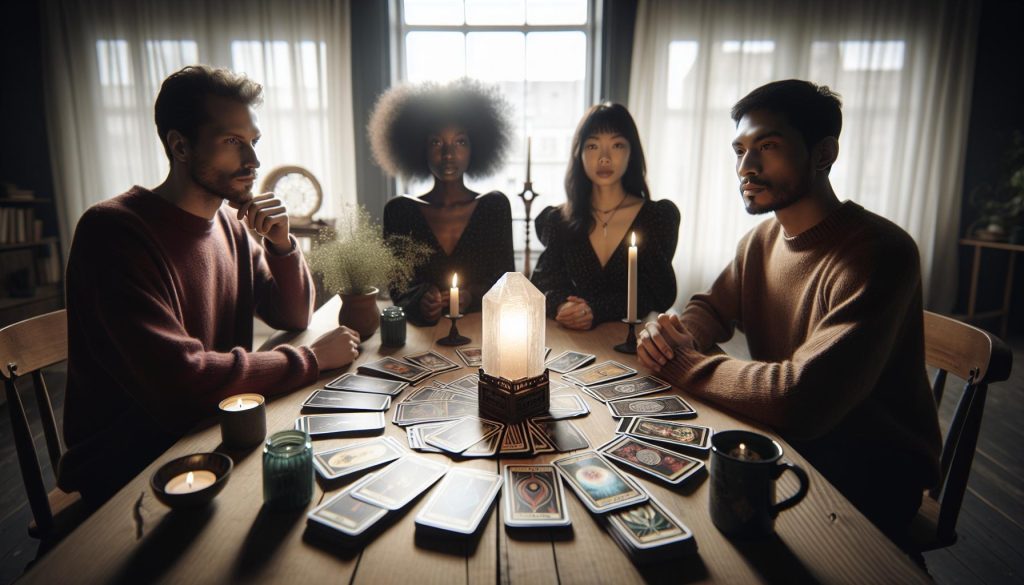
Did you know that a standard tarot deck consists of 78 cards, each packed with rich meanings and potential insights? Whether you’re a curious beginner or an experienced reader, understanding the composition of a tarot deck is crucial for effective readings. Knowing how many cards are in a deck not only demystifies its structure but also enriches your experience as you navigate the depths of your intuition and spirituality. This knowledge empowers you to form deeper connections with your cards, enhancing clarity in your readings and interpretations. As we journey through this exploration of tarot decks, you’ll uncover how each card plays a role in the narrative of your spiritual path. So, let’s dive in and deepen your understanding of these fascinating tools!
How Many Cards Are in a Tarot Deck? Understanding the Basics
In the world of tarot, a standard tarot deck is composed of 78 cards. This number is a blend of both the Major Arcana and Minor Arcana, each serving a distinct purpose in readings. The 22 Major Arcana cards carry significant archetypal messages and insights, representing themes such as life, transformation, and spiritual lessons. In contrast, the 56 Minor Arcana cards delve into the everyday experiences and challenges we face, categorized into four suits: Wands, Cups, Swords, and Pentacles.
Understanding this structure is key to grasping how tarot works. Each suit in the Minor Arcana consists of 14 cards-numbered cards from Ace to Ten, along with four Court Cards (Page, Knight, Queen, and King). These cards offer practical guidance related to various aspects of life such as emotions, actions, thoughts, and material concerns. For instance, Wands typically relate to creativity and action, while Cups often deal with emotions and relationships.
As you explore tarot, you will come to appreciate the intricate symbolism contained within each of these 78 cards. Each card can reveal layers of meaning, and together they create a vivid tapestry of insights, making tarot not just a tool for divination, but a pathway for personal growth and reflection. Whether you are a newcomer or an experienced reader, grasping the basics of how many cards are in a tarot deck and their structural significance sets the foundation for deeper exploration and interpretation in your tarot journey.
Exploring the Structure of Tarot Decks
Exploring the structure of a tarot deck can be both enlightening and grounding, providing a framework that deepens your understanding of each card’s significance. At its core, a standard tarot deck consists of 78 cards, divided into two main parts: the Major Arcana and the Minor Arcana. This division not only reflects different aspects of life but also symbolizes the journey through personal growth and spiritual development.
The Major Arcana encompasses 22 cards, each representing profound spiritual lessons and archetypal themes. Starting with The Fool (0), which symbolizes new beginnings and potential, and culminating with The World (XXI), representing completion and fulfillment, these cards guide you through life’s significant challenges and transformations. They invite you to explore deep psychological truths and universal experiences.
On the other hand, the Minor Arcana consists of 56 cards, reflecting the day-to-day events and situations we encounter. This section is further divided into four suits: Wands, Cups, Swords, and Pentacles. Each suit consists of 14 cards, which includes numbered cards from Ace to Ten and four Court Cards (Page, Knight, Queen, and King). While Wands are often linked to action and creativity, Cups delve into emotions and relationships, Swords tackle thoughts and challenges, and Pentacles reflect material aspects and practicality. Understanding these suits enables you to interpret daily experiences and apply tarot insights to your everyday life.
By familiarizing yourself with the structure of a tarot deck, you not only cultivate a deeper appreciation for each card’s unique message but also enhance your intuitive reading skills. Consider how the interconnectedness of the Major and Minor Arcana reflects your journey, providing a map through which you can navigate your own experiences. Embrace this pathway; the tarot can serve as a guide, revealing insights and fostering personal growth as you learn to read and interpret the cards with confidence and clarity.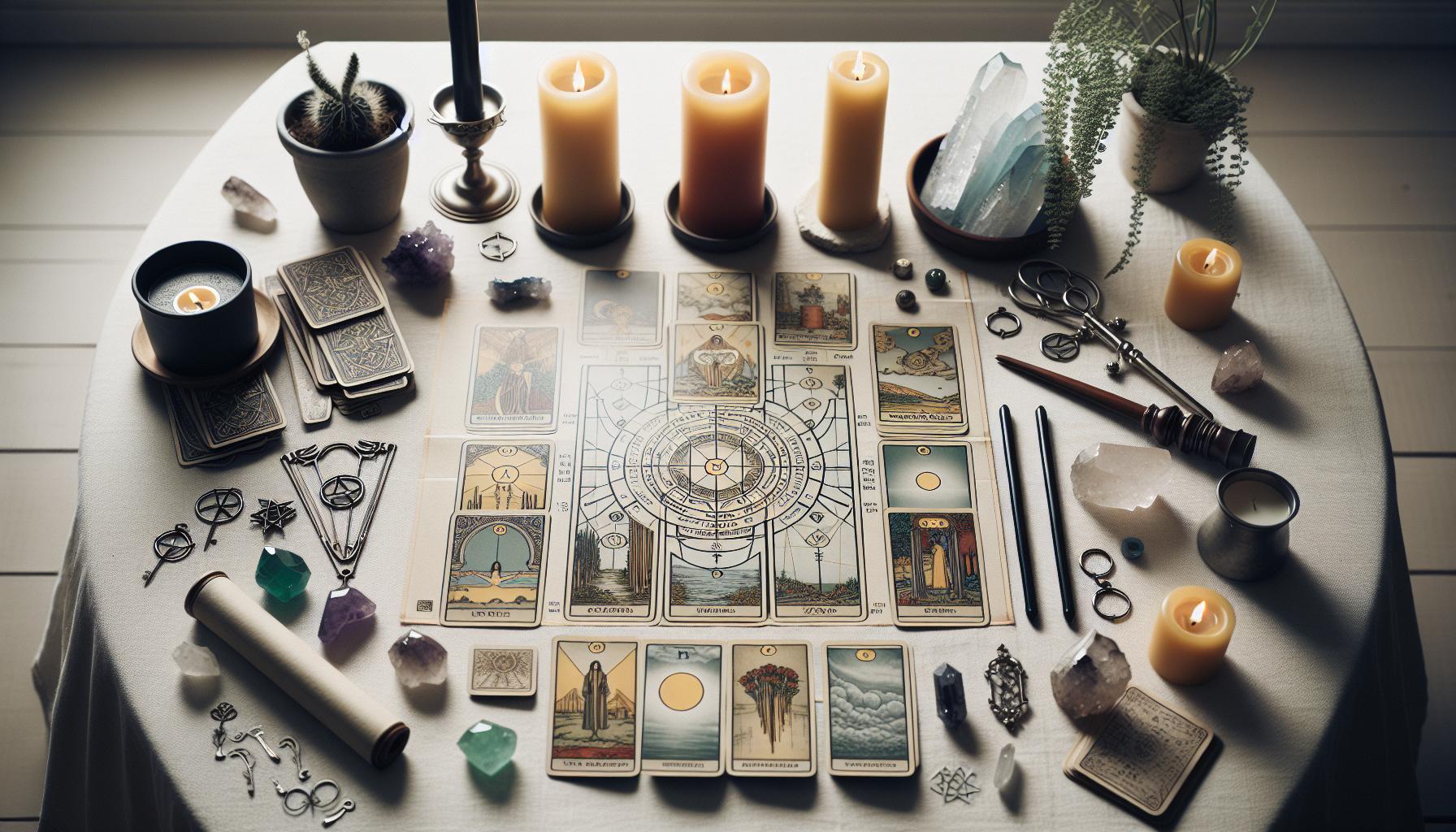
Major Arcana vs. Minor Arcana: What’s the Difference?
The distinction between the Major Arcana and the Minor Arcana is fundamental when it comes to understanding the themes and messages of a tarot deck. While both parts contribute to the overall narrative of the tarot, they serve unique purposes and reflect different aspects of life’s journey.
The Major Arcana consists of 22 cards, each laden with powerful symbols and archetypal meanings. These cards represent significant life lessons, spiritual insights, and transformative experiences. For example, The Fool (0) signifies new beginnings, inviting exploration and spontaneity, while The World (XXI) represents the culmination of a journey, indicating achievement and wholeness. These cards often appear in readings when deep change or significant events are in focus, as they address the larger existential themes that shape our lives.
In contrast, the Minor Arcana, made up of 56 cards, deals with the more mundane, day-to-day experiences. This section is divided into four suits: Wands, Cups, Swords, and Pentacles, reflecting various aspects of human experience. Each suit encompasses 14 cards, including numbered cards (Ace through Ten) and four Court Cards (Page, Knight, Queen, King). While Wands often represent creativity and action, Cups delve into emotions and relationships, Swords tackle thoughts and conflicts, and Pentacles focus on material and practical matters. These cards surface in readings to highlight everyday situations, providing guidance on how to navigate daily challenges and opportunities.
Understanding these differences not only enhances your interpretation skills but also helps you apply the insights of the tarot to your life more effectively. When you recognize that the Major Arcana reveals the overarching narrative and significant lessons, while the Minor Arcana addresses daily issues and personal dynamics, you can approach readings with a deeper appreciation of the cards’ messages. This clarity will empower you to draw connections between your experiences and the broader themes reflected in the tarot, ultimately enriching your journey of self-discovery and growth.
The Unique Cards in a Standard Tarot Deck
Every tarot deck contains a fascinating blend of cards that serve distinct roles in uncovering insights and guiding our intuitions. In a standard tarot deck, which consists of 78 cards, there are unique cards in both the Major Arcana and the Minor Arcana. Understanding these cards is essential for interpreting readings effectively.
The Major Arcana, made up of 22 cards, represents profound spiritual lessons and milestones in life. Each card carries rich symbolism, from The Fool (0), which embodies potential and new beginnings, to The World (XXI), reflecting completion and fulfillment. These cards often emerge in readings when addressing significant changes or pivotal moments. This is where the deeper narratives of our journey unfold, guiding us through transformative experiences and personal growth.
On the other hand, the Minor Arcana, consisting of 56 cards, provides insight into the day-to-day experiences and the various facets of our lives. The Minor Arcana is divided into four suits: Wands, Cups, Swords, and Pentacles. Each suit symbolizes different aspects of our existence, with Wands representing creativity and passion, Cups focusing on emotions and relationships, Swords addressing thoughts and conflicts, and Pentacles relating to material and practical matters. Each suit comprises 14 cards-numbered from Ace to Ten, along with four Court Cards (Page, Knight, Queen, King)-offering a detailed narrative that plays out in our everyday lives.
To enhance your readings, consider using the unique meanings of these cards in your spreads. For instance, when you pull a combination from the Major Arcana and a suit from the Minor Arcana, it can highlight a major life theme interwoven with everyday challenges. Familiarizing yourself with each card’s significance and practicing their interpretations can boost your confidence as an intuitive reader, allowing you to connect deeply with the messages each card seeks to share.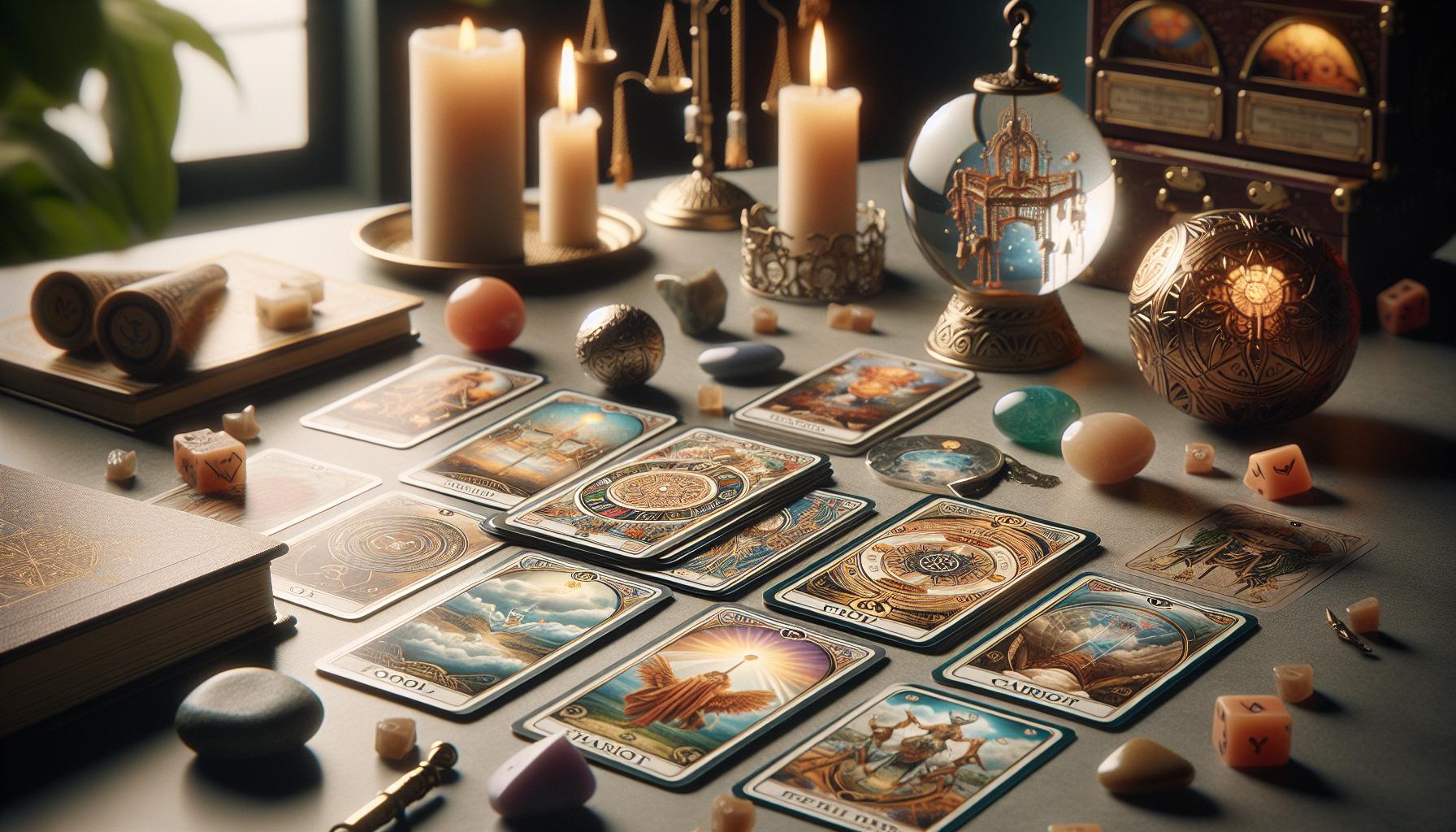
How Tarot Card Numbers Influence Readings
The numbers on tarot cards carry deep meanings and play a crucial role in the interpretation of a reading. Each card is not just a standalone message but also a part of a larger numerical system that adds layers of significance. Within a standard tarot deck of 78 cards, the numbers from the Ace to the Ten in each suit and the sequence of the Major Arcana contribute to the overall narrative and themes explored during a reading.
In the Minor Arcana, card numbers help convey the progression and evolution of situations. For example, Aces symbolize new beginnings, opportunities, or fresh energy, while Tens often indicate completion, fulfillment, or the resolution of a cycle. When interpreting readings, consider how the numbers represent stages in a journey. A reading that features multiple low-numbered cards may suggest that the querent is at the initial phases of a particular path, while numerous high-numbered cards could signal a culmination or mastery of experiences.
In the Major Arcana, the numbered sequence from 0 (The Fool) to 21 (The World) signifies stages of spiritual development and personal growth. Each card’s position within this sequence highlights its qualities. For example, The Fool (0) represents openness and potential, while The Wheel of Fortune (10) reflects cycles and changes, and The World (21) conveys completion and understanding. This structure enables you to piece together a narrative about someone’s life path, revealing how current circumstances may align with their spiritual journey.
When reading the cards, pay attention to the numerical relationships and combinations that arise. For instance, if you pull two cards with a numerical connection, like a 3 and a 5, reflect on how those combined energies might interact. This approach not only enhances your interpretations but also encourages you to connect more personally with the cards, bridging intuition with the classic symbolism found in tarot. As you practice, remember that embracing the numerological aspects of the cards can deepen your insights, guiding you and your querents toward clarity and understanding on their journeys.
Understanding Tarot Suits: Wands, Cups, Swords, and Pentacles
The four suits in a tarot deck-Wands, Cups, Swords, and Pentacles-are essential to understanding the framework of tarot readings. Each suit corresponds to different aspects of life and carries its own distinct symbolism and meaning. This allows readers to delve into various realms of experience, from creativity and emotions to thought and material concerns.
Wands
The suit of Wands, associated with the element of Fire, embodies energy, action, and passion. Wands often represent inspiration, creativity, and the drive to pursue one’s goals. When you encounter cards from this suit in a reading, look for themes involving ambition, personal growth, or changes related to work or projects. For instance, drawing the Ace of Wands could signify a new creative opportunity or a burst of inspiration, while the Ten of Wands may indicate feeling overwhelmed by responsibilities, encouraging you to reassess your commitments.
Cups
Cups align with the element of Water and symbolize emotions, intuition, and relationships. This suit invites exploration of feelings and connections with others. When Cups appear in a reading, it often highlights issues of love, emotional well-being, and personal fulfillment. A card like the Two of Cups emphasizes partnership and mutual respect, while the Five of Cups typically reflects feelings of loss or disappointment, urging the querent to focus on what remains rather than what has been lost.
Swords
Representing the element of Air, the Swords suit deals with thoughts, intellect, and conflict. Swords are often associated with challenges, decisions, and the mental struggles we encounter. A reading featuring Swords may indicate a need for clarity, truth, and resolution of conflict. For instance, the Ace of Swords symbolizes new ideas and breakthroughs, while the Three of Swords often points to heartache or betrayal, bringing attention to emotional pain that requires healing.
Pentacles
The suit of Pentacles, associated with the element of Earth, relates to material matters, finances, and practical aspects of life. This suit encompasses everything from career to health and home life. Pentacles in a reading focus on stability, security, and the physical world. Drawing the Ace of Pentacles may suggest new financial opportunities or ventures, while the Four of Pentacles can signify issues surrounding control and holding onto resources too tightly.
Understanding these suits and their meanings enhances your tarot readings, providing a foundation for interpreting the cards in a way that resonates with the querent’s experiences. Engaging with each suit’s symbolism allows for deeper insights into life’s complexities, making tarot a powerful tool for guidance and clarity. As you practice, embrace the unique messages each suit conveys, and let them inform your intuitive understanding of the readings.
Card Combinations: The Art of Interpretation
Understanding how different cards interact in a tarot reading can unlock deeper insights and enrich your interpretations. Each card holds individual meanings, but when placed alongside others, their significance expands and transforms based on context. For instance, pulling the Two of Cups, which signifies partnership and harmony, alongside the Ten of Swords, typically associated with endings and betrayal, may suggest that a relationship is undergoing a difficult transition that could lead to both healing and closure. This illustrates the dynamic nature of card combinations and how they can convey intricate narratives tailored to a querent’s situation.
To navigate card combinations effectively, it helps to consider both numerical and thematic relationships. Cards sharing the same number often resonate with similar energies. For example, if you draw multiple cards from the suit of Swords, you’re likely focusing on mental battles or a need for clarity. In contrast, a combination from different suits may highlight the interplay between thought and emotion, such as the Ace of Swords appearing with the Queen of Cups, inviting you to balance rational thought with emotional intuition in decision-making.
When interpreting combinations, look for prominent symbols or recurring themes across the cards. Some readers find it useful to categorize combinations as “supporting,” “conflicting,” or “transformative,” which guides their interpretation process. For example, if you’re reading for someone contemplating a career change and pull the Eight of Pentacles (dedication to work) along with the Fool (new beginnings and risk), you might encourage them to embrace the change while recognizing the value of experience and skill-building.
Lastly, practice is key in mastering card combinations. Engage regularly with different spreads that encourage the exploration of multiple cards at once. Start with simple three-card spreads that probe the past, present, and future, then gradually increase complexity as you grow more comfortable. This approach not only builds confidence in your intuitive skills but also allows you to witness firsthand how cards interact and influence one another in practical, real-world scenarios. Embrace your journey with tarot-each reading offers a chance to uncover new layers of meaning.
Variations in Tarot Decks: A Global Perspective
Exploring tarot decks from a global perspective reveals a rich tapestry of variations, each reflecting unique cultural influences and artistic expressions. While many tarot decks share a foundational structure of 78 cards-divided into 22 Major Arcana and 56 Minor Arcana-regional interpretations introduce distinct elements in both imagery and symbolism. For example, the popular Rider-Waite deck, created in the early 20th century, has set a standard for many Western decks, emphasizing vivid imagery and clear symbolism that resonates deeply with contemporary seekers.
Thematic Variations
Cultural interpretations of tarot often align with local traditions and philosophies. In France, the Tarot de Marseille emphasizes geometric patterns and symbolism over detailed illustrations, offering a more abstract approach that encourages intuitive interpretations. Alternatively, the Thoth Tarot, designed by Aleister Crowley, intertwines elements of astrology, Kabbalistic principles, and Egyptian mythology, challenging readers to explore deeper esoteric meanings behind each card.
Each tarot deck invites you to connect with its unique style and symbolism, making it essential to choose one that resonates with your personal journey. When selecting your first deck, consider:
- Art Style: Do you prefer vibrant illustrations or minimalist designs?
- Symbolism: Are you drawn to traditional meanings, or do you favor decks that incorporate modern interpretations?
- Cultural Heritage: Explore decks that reflect your own or other cultures that inspire you.
Global Diversity
Across the globe, tarot is adapted to fit various spiritual practices and belief systems. In Japan, for instance, tarot decks often incorporate Shinto symbols and themes, creating a unique blend of Western divination with Eastern spirituality. The Lenormand cards, another fortune-telling tool, diverge further by focusing on everyday imagery-creating a storytelling approach rather than a direct align with the Major and Minor Arcana set up typical for tarot.
These variations highlight how tarot is not just a tool for divination but also a cultural artifact that evolves with its users. Understanding these diverse adaptations enhances your tarot practice, allowing for a richer and more nuanced reading experience. Embrace the unique characteristics of different decks as you nurture your intuitive skills and connect with the broader tarot community. Each reading offers not only insights into your personal narrative but also a glimpse into the myriad ways people across the world have interpreted the human experience through the lens of tarot.
Tips for Choosing Your First Tarot Deck
Choosing your first tarot deck can feel like a daunting task, but it can also be a joyful exploration of self-discovery. With so many options available, it’s essential to find a deck that resonates with you personally. Start by considering the art style-do you prefer vibrant, detailed illustrations or a more minimalist approach? The visual appeal of the cards will play a significant role in your connection to them. For example, the Rider-Waite deck has a classic, colorful design that many beginners find approachable, while decks like the Tarot de Marseille may attract those who appreciate a more geometric and abstract aesthetic.
Next, think about symbolism. Different decks carry various interpretations of traditional meanings. Some decks, like the Thoth Tarot, incorporate rich esoteric themes and intricate symbols that can prompt deeper reflection, while others may present modern or simplified interpretations. It’s helpful to choose a deck whose symbolism you feel comfortable with, as this familiarity will enhance your reading experience.
Another aspect to consider is cultural heritage. There are decks inspired by diverse traditions and myths from around the world. Investigating a deck’s background can provide insights into its imagery and meanings, enriching your practice. Whether you’re drawn to decks with Shinto symbols, Native American themes, or more contemporary representations, choosing a deck that reflects an aspect of culture you’re connected to can deepen your practice.
Finally, don’t hesitate to follow your intuition. If a particular deck speaks to you-perhaps through its imagery or the feelings it evokes-trust that instinct. Tarot is as much about personal resonance as it is about structure and tradition. Many readers recommend starting with a deck that feels right rather than worrying excessively about which is the “best” choice. Remember, the most important thing is to feel comfortable and inspired by your deck as you embark on your tarot journey. Each card will hold new meanings and lessons, and your connection to your deck will grow stronger with every reading.
Beyond the Basics: Advanced Tarot Concepts
Exploring the depths of tarot invites us into a world of rich symbolism and personal interpretation. As you progress beyond the basics, understanding the subtleties of your readings can significantly enhance your intuitive development. Each card not only holds individual meaning, but it can also interact dynamically with others in a spread. The synergy created by card combinations can deliver nuanced messages that singular cards cannot convey alone.
Card Interactions and Spread Structuring
When interpreting tarot, consider how cards relate to one another-this is where the art of interpretation truly shines. For example, drawing the Lovers card alongside the Tower can indicate a transformative relationship, suggesting that changes within a partnership may be disruptive but ultimately necessary for growth. This kind of layered reading allows you to tap into deeper insights and reflects the complexities often found in life situations. As you read, pay attention to not just the primary meanings but how the energies of each card meld.
Advanced Techniques: Numerology and Elemental Associations
Another way to enrich your readings is through numerology and elemental associations. Each card in the tarot deck can be related to numbers and elements, adding further depth to understandings. For instance, the Ace of Cups, associated with water, symbolizes beginnings of emotional fulfillment, while the Five of Cups, also emotional but tied to the number five, reveals change and conflict. By analyzing these underlying patterns, you can create your own interpretations and insights that resonate more deeply with your personal experiences and contexts.
Use a structured approach to identify these elements:
- Numerological Patterns: Identify the growth and themes represented by number-cards to add layers to your readings.
- Elements: Recognize how fire (passion), water (emotion), earth (stability), and air (intellect) influence the behaviors and dynamics at play in a situation.
These methods allow you to create multi-dimensional interpretations that can transform basic readings into profound experiences of inner discovery and revelation.
As you advance in your tarot practice, allow yourself the freedom to explore these concepts without fear. Engage with your cards, trust your instincts, and remember: every reading, regardless of complexity, can lead to personal revelations and deeper understanding. With each draw and every interpretation, you’re crafting a narrative uniquely your own, one that blends the collective wisdom of the cards with your intuition and life experiences.
Using Tarot in Daily Life: Practical Applications
Using tarot in daily life can transform your routine into a journey of self-discovery and guidance. By incorporating the tarot cards into your day-to-day activities, you invite clarity and intention into your experiences. The key is to approach tarot not just as a tool for divination, but as a practical resource for personal reflection and decision-making.
One effective method is to draw a single card each morning. This quick ritual sets the tone for your day. For example, if you pull the Ace of Wands, you might interpret this as a nudge to embrace new ideas and creativity. Conversely, the Nine of Swords can serve as a reminder to acknowledge and address anxieties that may arise throughout your day. Write down your card along with any thoughts or feelings it incites; this practice can foster a deeper connection with the meanings behind each card.
Daily Spreads for Focus and Clarity
Another practical application involves using specific tarot spreads. A simple three-card spread, for instance, can offer insights into your past, present, and future regarding a particular situation. Position the first card for past influences, the second for current challenges, and the third for potential outcomes. If you pull the Four of Swords in the past position, it might suggest that you previously took a necessary rest or break that led to your current state, while the Chariot in the present could indicate a turning point where you need to harness your motivation to move forward.
Integration into Decision-Making
Tarot can also aid in making decisions. Approach a dilemma with a two-card spread: one card representing the potential outcome if you pursue one path, and the other for an alternative choice. This method allows the cards to reflect potential realities in a tangible way, giving you the opportunity to weigh your options with fresh perspective.
Embrace the journey of using tarot by documenting your readings and interpretations. Over time, this record becomes a valuable tool, allowing you to see patterns, reflect on your growth, and refine your intuition. Remember, the essence of tarot is not just in predicting the future, but in illuminating the present, guiding you through life’s complexities with wisdom and insight.
Debunking Myths: What Tarot Cards Really Mean
Understanding tarot cards often involves navigating a landscape filled with myths and misconceptions. Many people believe that tarot can predict the future with certainty or that it requires supernatural abilities. In truth, tarot is a versatile tool for introspection, offering insights into present circumstances rather than definitive future outcomes. Each card carries layered meanings, and their interpretation depends on the context of the question posed and the specific situation at hand.
One common myth is that only those with special talents can effectively read tarot cards. This notion can be intimidating for beginners. However, tarot is accessible to everyone. The key is to engage with the cards personally; intuitive insights may come from your own emotional connections. For example, pulling the Two of Cups might evoke thoughts of collaboration and harmony, reflecting your current relationships, rather than solely implying a romantic partnership. Keep a journal to document your interpretations and experiences, enhancing your intuitive development over time.
Additionally, some view tarot as a means solely for fortune-telling. Instead, consider it a methodology for self-exploration. By asking open-ended questions and interpreting card combinations, you can unveil deeper aspects of your psyche. When doing a simple spread about decision-making, the cards can reveal not just possible future outcomes but also your own feelings and motivations regarding each choice presented. This approach demystifies tarot, showing that it’s not about predicting destiny but rather illuminating your present choices and paths.
Remember, the value of tarot lies in its ability to foster clarity and foster a deeper understanding of yourself and your circumstances, inviting you into a dialogue with the universe that is both personal and transformative. Embrace the journey and allow the cards to guide you, and you’ll find not just answers, but numerous questions that lead to profound self-discovery.
Frequently Asked Questions
Q: How many cards are in a traditional tarot deck?
A: A traditional tarot deck consists of 78 cards, which are divided into the Major Arcana (22 cards) and the Minor Arcana (56 cards). Understanding this structure is essential for interpreting tarot readings effectively.
Q: What are the types of tarot cards included in a deck?
A: Tarot cards are categorized into Major Arcana, which represents significant life themes, and Minor Arcana, which covers everyday events. The Minor Arcana is further divided into four suits: Wands, Cups, Swords, and Pentacles.
Q: Are there any variations in the number of cards across different tarot decks?
A: Yes, while the standard tarot deck has 78 cards, some decks may include additional cards or variations, such as extra Major Arcana cards or lower counts in the Minor Arcana. This can influence the style and interpretation of readings.
Q: What do the different suits in a tarot deck represent?
A: Each suit in the Minor Arcana represents a different aspect of life: Wands symbolize action and creativity, Cups relate to emotions and relationships, Swords connect to thought and conflict, and Pentacles represent material aspects and work.
Q: How does the number of cards in a tarot deck affect a reading?
A: The number of cards influences a reading’s depth. The Major Arcana cards often highlight pivotal life experiences, while the Minor Arcana details day-to-day issues. A balanced interpretation considers both the number and types of cards drawn.
Q: Why are tarot decks with fewer cards popular among beginners?
A: Tarot decks with fewer cards, like a mini deck, reduce complexity for beginners. They often focus on essential archetypes, making it easier for new readers to learn the meanings and develop their intuitive skills without feeling overwhelmed.
Q: Can tarot card interpretations change over time?
A: Yes, tarot card meanings can evolve based on cultural shifts, reader interpretations, and personal intuition. New decks may introduce fresh concepts, reflecting current beliefs and experiences, which can add richness to readings.
Q: How should I select a tarot deck that suits my style?
A: Choose a tarot deck based on its artwork and the themes it presents. Explore different styles, such as traditional, modern, or themed decks, to find one that resonates with your intuition and aesthetic preferences.
Insights and Conclusions
Thank you for exploring the intriguing world of tarot with us! Now that you know a tarot deck typically consists of 78 cards, you can dive deeper into their meanings and how to use them in your readings. Whether you’re a novice or an experienced reader, understanding card interpretations is essential for unlocking the insights they offer. Check out our guides on [popular tarot spreads] and [beginner tips for card readings] to enhance your practice further.
Don’t miss out on the chance to deepen your tarot journey-consider subscribing to our newsletter for expert insights and exclusive content designed to elevate your intuition and reading skills. Have questions or experiences to share? We invite you to leave a comment below; your thoughts are valued here. Remember, the path to mastering tarot is a journey filled with discovery. Keep exploring, and let the magic unfold!
Get our latest guides, news, and insights highlighted in your Google Search & AI Overviews.