Did you know that the ancient art of Tarot can be easily practiced with just a standard deck of playing cards? Learning to read Tarot with playing cards offers a budget-friendly method to tap into your intuition and explore the mysteries of your life. This accessible approach demystifies Tarot, making it inviting for everyone-whether you’re a seasoned enthusiast or a curious skeptic.
As you navigate the meanings behind the cards, you’ll find that each suit and number holds insight into personal challenges and future possibilities. With simple techniques and step-by-step guidance, you’ll gain the confidence to perform readings for yourself and others, enriching your understanding of life’s journeys. So, if you’re ready to discover a new way to connect with your spiritual self, dive in and uncover the secrets that these humble cards can unveil!
How Tarot Reading Differs from Playing Cards
The world of Tarot and playing cards may seem similar at first glance, but there are significant differences that can enhance your reading experience. Tarot cards typically consist of 78 cards divided into two main sections: the Major Arcana and the Minor Arcana, each carrying deep symbolic meanings. In contrast, a standard deck of playing cards, usually comprising 52 cards, lacks the structured symbolism found in Tarot. While playing cards can also be used for divination, their interpretations often rely on more straightforward meanings and character associations.
In Tarot, every card is rich in imagery and symbolism, allowing for nuanced readings that reflect complex emotional and spiritual themes. For instance, the Fool in Tarot embodies new beginnings and innocence, whereas the Ace of Hearts (or Cups) in a playing card deck signifies new feelings or emotional journeys, albeit with less depth. When reading playing cards, the absence of Major Arcana means that the emphasis is often on situational aspects rather than overarching life themes, giving readings a different flavor and focus.
Moreover, the methodologies for interpretation differ. With Tarot, card placements in spreads can significantly alter their meanings, relying on their context within the reading. For example, a card representing loss may point to a past experience when positioned to the left, but suggest a future challenge when placed to the right. Conversely, when using playing cards, meanings are generally consistent regardless of where they appear in a spread, leading to more straightforward interpretations.
Finally, the experience of reading Tarot often involves an intuitive connection with the artwork and themes of the cards, which can inspire a deeper meditative state. Playing card readings, while still personal, can feel more detached because the visual and symbolic depth is not as pronounced. Embracing these differences allows you to choose the method that best resonates with your style and spiritual practice, making your readings more authentic and fulfilling.
The Basics of Playing Card Tarot Reading
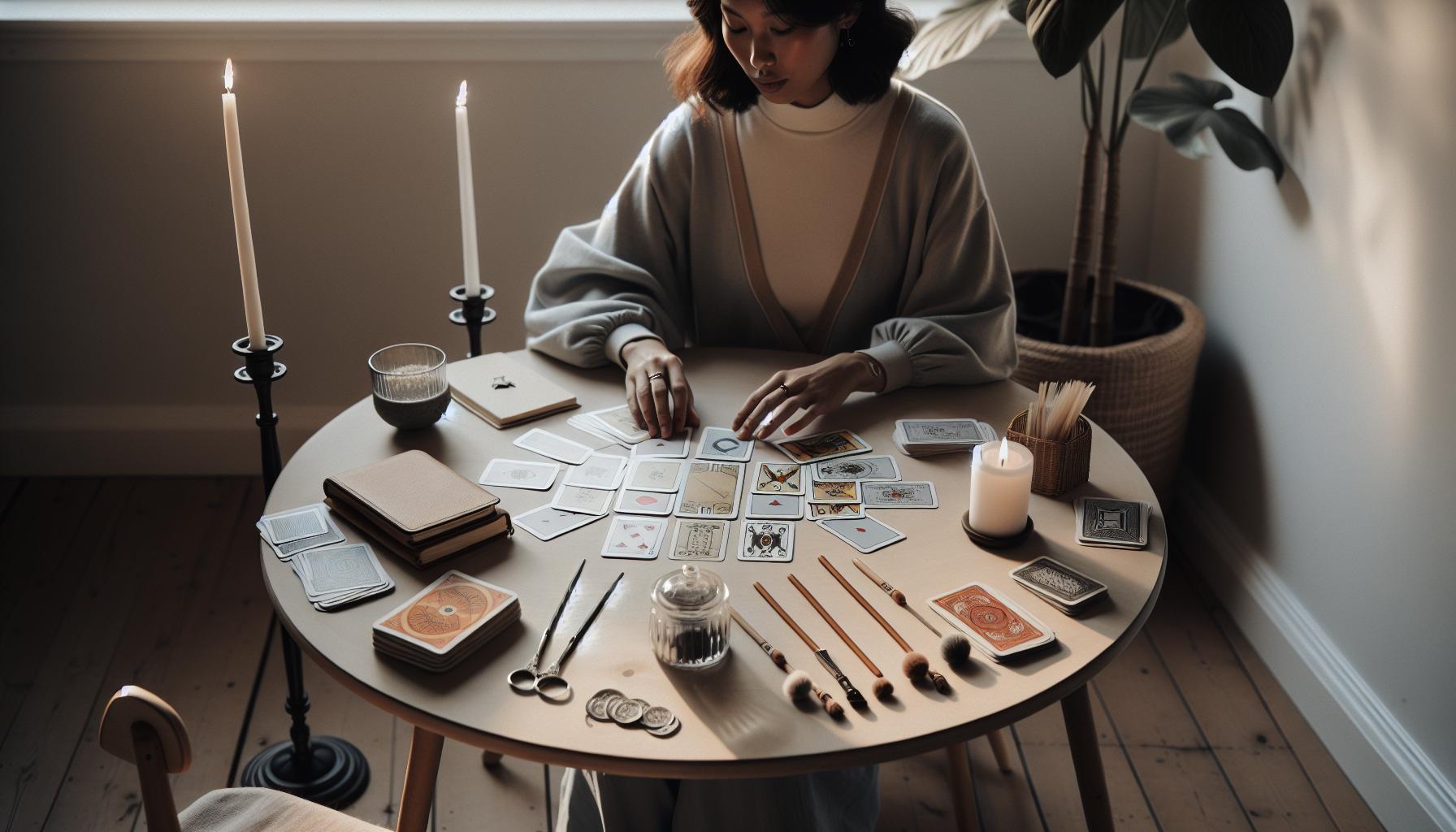
The versatility of playing cards opens up a rich world of divination that many may overlook. When you use a standard deck of playing cards for readings, you tap into a tradition that has been employed for centuries. While the symbolism is less elaborate than in Tarot, you can still derive substantial insights. To get started, familiarity with the card meanings and their intuitive interpretations is essential, creating a robust framework for your readings.
Playing cards consist of four suits: hearts, diamonds, clubs, and spades, each representing different aspects of life. For instance, hearts correspond to emotions and relationships, while spades reflect challenges and conflict. Each card within these suits carries potential meanings; for example, the Ace of Hearts symbolizes new beginnings in love or emotional matters, while the Seven of Spades might suggest betrayal or difficult decisions. Cultivating an understanding of these meanings will enhance your readings, as you’ll be able to draw connections between the cards and the querent’s situation.
As you begin your readings, setting clear intentions is key. Ask a specific question before drawing cards to guide your interpretation and focus your intuition. Beginners often benefit from simple methods, like drawing three cards. The first card can represent the past, the second your present situation, and the third the potential outcome. This straightforward spread helps illustrate the flow of energy and potential developments in the querent’s life.
Practice is crucial in becoming comfortable with reading playing cards. As you engage with the cards, consider journaling your interpretations and experiences. This reflects growth in your intuitive abilities and helps you refine your understanding of the cards’ meanings. Don’t shy away from experimenting; the more you meditate on and handle the cards, the more confident you’ll become in your skills and interpretations. Remember, every reader’s style is unique, so trust your instincts and allow your intuition to shine.
Essential Playing Card Meanings for Tarot
Unlocking the mysteries of playing cards as a divination tool can be a profound practice. Each card carries its own unique energy and significance, allowing you to delve into the psychological, emotional, and situational dimensions of your readings. While Tarot cards have intricate imagery and established meanings, playing cards offer a simpler, yet equally rich, tapestry of symbols that can illuminate your intuitive insights.
Key Meanings for Each Suit
Understanding the foundational meanings associated with each suit is crucial for effective readings:
- Hearts: This suit relates to emotions, love, and relationships. A card like the Queen of Hearts signifies nurturing, compassion, and emotional support, while the Ten of Hearts often represents harmony and fulfillment in personal connections.
- Diamonds: Representing material matters, finances, and career, cards in this suit can indicate prosperity or challenges in business. For example, the Ace of Diamonds heralds new opportunities in financial ventures, whereas the Five of Diamonds may suggest financial struggle or loss.
- Clubs: Generally associated with action, creativity, and ambition, the Clubs can guide you in areas regarding work or personal projects. The King of Clubs denotes leadership and entrepreneurial spirit, while the Three of Clubs indicates growth and expansion.
- Spades: Often reflecting conflict, challenges, or obstacles, this suit calls attention to the more difficult aspects of life. A card like the Seven of Spades can suggest betrayal or difficult choices, while the Ace of Spades might indicate a significant ending or transformation.
Interpreting the Cards
As you draw cards during your reading, focus not just on the individual meanings but also on how they relate to one another within the context of your question or intention. For instance, if you pull the Six of Hearts alongside the Two of Spades, this might suggest a past emotional conflict that is seeking resolution, calling upon the need for healing in a current relationship.
To deepen your understanding, consider journaling your interpretations. This practice not only sharpens your intuitive abilities but also builds a personalized reference for future readings. Over time, you may find that certain cards resonate more vividly with you, as your intuition guides you towards specific meanings and insights.
Remember, playing card readings are an accessible and powerful way to explore your intuition. With practice and patience, you can harness their meanings to provide wisdom not just for yourself, but for others as well. Embrace the journey, and let your readings unfold as a dynamic dialogue between you and the universe.
Setting Up Your Tarot Reading Space

Creating the right atmosphere is vital for a meaningful tarot reading. Your space should foster a sense of calm and focus, enhancing your connection with the cards and your intuition. Even if you’re working with a budget-friendly approach using playing cards, the energy of your environment can significantly influence the quality of your readings.
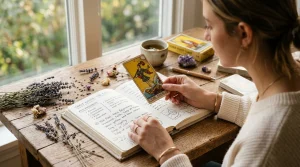
Start by choosing a quiet space where you won’t be disturbed. This could be a cozy corner of your home, a peaceful spot in nature, or even a designated table. Ensure that this area feels personal and free of distractions. You might want to clear any clutter, as this will help create a serene environment conducive to introspection. Incorporating elements that inspire you-such as crystals, plants, or artwork-can further enrich the atmosphere.
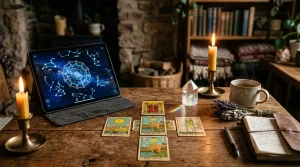
Lighting is also essential. Natural light can enhance your focus, but if it’s not available, consider soft lamp light or candles to create a warm glow. Many readers find that dimmed lights help them feel more connected to the intuitive aspects of their practice. Aromatherapy can set the mood as well; light a candle or use essential oils like lavender or sandalwood to promote relaxation and clarity.
Lastly, create a comfortable setting with items like cushions or a blanket. Sit or kneel in a position that feels relaxed yet alert. Having a small table to place your cards on can help keep your space organized.
By designing your reading space thoughtfully, you not only enhance the physical environment but also signal to your mind and spirit that it’s time for reflection and connection. Each session becomes a sacred ritual, where you engage with your playing cards not merely as tools, but as gateways to deeper insights.
Choosing the Right Playing Cards for Tarot
When diving into the world of tarot with playing cards, selecting the right deck can significantly enhance your reading experience. Unlike traditional tarot decks, which often come with rich symbolism in visual form, playing cards offer a more stripped-down approach that can be just as powerful for intuitive readings. They are accessible, budget-friendly, and can provide deep insights when interpreted with intention and awareness.
Begin by choosing a standard deck of playing cards, which typically consists of 52 cards, divided into four suits: hearts, diamonds, clubs, and spades. Each suit can be associated with specific elemental energies and qualities-hearts often relate to emotions and connections, diamonds to material concerns and practical matters, clubs to action and creativity, and spades to challenges and intellect. The numbered cards (2-10) and face cards (Jack, Queen, King) can be interpreted similarly to tarot cards, with the added bonus of the Ace representing new beginnings or significant potential.
It’s essential to consider the condition of your cards. A well-loved, familiar deck can enhance the energy of your readings, as personal connections often lead to deeper insights. If you have access to multiple decks, you might even find that certain decks resonate more strongly with specific questions or situations. Many readers often favor decks with artwork or illustrations that evoke their intuition, even if those images are more simplified than traditional tarot art.
Incorporating playing cards into your readings not only saves money but also invites creativity into your practice. As you grow more comfortable, you might explore customizing your interpretations or developing your own spreads. Remember, the right playing cards are not just about their physical characteristics; they should resonate with your intuitive sense and enhance your ability to connect with your inner guidance. Whether you’re a beginner or an experienced reader, choosing cards that feel right to you will empower your journey into tarot reading.
Simple Spreads for Beginners: Three Card Technique
The three-card spread is one of the simplest and most effective methods for beginners to start their journey into reading tarot with playing cards. This technique allows you to explore a situation or question from multiple angles without overwhelming complexity. It serves as an excellent introduction to the intuitive and analytical aspects of card reading, and can lead to profound insights even with just a few cards.
To perform a three-card reading, follow these straightforward steps:
- Formulate Your Question: Begin by focusing your mind on a specific question or area of your life where you seek clarity. For example, you might ask about a decision you are facing, your current emotional state, or how to navigate a challenging situation.
- Shuffle and Draw: Shuffle your deck of playing cards while concentrating on your question. Once you feel ready, draw three cards and lay them out in a row from left to right.
- Assign Meanings: Traditionally, each card in this spread can represent a different aspect of your inquiry:
– Card 1: The past influences related to your situation.
– Card 2: The present circumstances – what is currently affecting your situation.
– Card 3: The future possibilities – where your present path may lead you.
- Interpret the Cards: Take a moment to observe the cards you’ve drawn. Consider their suits and numbers for symbolic meaning:
– Hearts often relate to emotions and relationships.
– Diamonds deal with practicality and resources.
– Clubs signify action and creative efforts.
– Spades point to challenges and intellectual pursuits.
Reflect on how the meanings interconnect and relate to your question. For instance, if you draw the King of Hearts, the 7 of Diamonds, and the 3 of Spades, you might interpret it as a powerful emotional figure from your past (King of Hearts) influencing your current practical undertakings (7 of Diamonds) and foreshadowing challenges ahead (3 of Spades) requiring careful consideration.
By personalizing your readings and trusting your intuition, you can deepen your connection with the cards and their messages. This three-card technique serves as a lovely platform for practice, helping you to develop confidence in your interpretative skills. As you become more familiar with the cards’ meanings and their combinations, you can expand the complexity of your readings or try additional spreads, such as the more advanced techniques like the Celtic Cross. Remember, with patience and practice, tarot reading with playing cards can be a rewarding experience, opening up pathways to self-discovery and understanding.
Interpreting Card Combinations in Readings
Understanding how to interpret card combinations is a vital skill in your tarot reading journey, especially when using playing cards. Each combination tells a story that extends beyond the individual meanings of the cards, allowing you to weave together insights that resonate deeply with your question or situation.
Begin by looking at the overall theme presented by the cards drawn. Each suit-hearts, diamonds, clubs, and spades-holds specific energy and symbolism. For example, if your spread includes the Queen of Hearts alongside the 6 of Diamonds, you might perceive a nurturing influence guiding practical matters. The Queen symbolizes emotional support while the 6 of Diamonds often represents harmony in financial or material concerns. Together, they can suggest that emotional wisdom is currently aiding your financial decision-making or relationships in a business context.
Consider Interactions
Next, examine how the cards interact with each other. Do they amplify or contrast each other’s meanings? Suppose you draw the 2 of Clubs and the 8 of Spades. The 2 of Clubs typically signifies partnerships or collaborations, while the 8 of Spades suggests struggles or obstacles. This combination could indicate that while teamwork is essential, it might currently be challenged by significant hurdles. Reflect on how this interplay applies to your life to gain a more nuanced understanding of your reading.
Practice with Context
Context is crucial in interpretation. Always refer back to your initial question or intention during the reading. For instance, if you focused on a love relationship and drew the 5 of Hearts alongside the Ace of Diamonds, this could imply a shift in your emotional landscape where conflict (5 of Hearts) leads to a fresh start rooted in practicality and stability (Ace of Diamonds). This could point to resolving past issues for a new beginning that’s more grounded and realistic.
By honing your ability to interpret combinations, you deepen your understanding of tarot. Remember that each reading is unique, and there isn’t a strict formula for interpretation. Allow your intuition to guide you through the connections you perceive between the cards, leading to profound insights and a richer reading experience. Keep practicing and trust yourself; with time and contemplation, you’ll become more adept at recognizing the intricate narratives within each card combination.
Common Mistakes to Avoid in Card Readings
When venturing into card readings, especially with playing cards, it’s easy to fall into some common pitfalls that can cloud your intuition and lead to misinterpretations. Recognizing these mistakes is the first step in honing your skills and developing a more profound connection to the cards.
One frequent error is neglecting to consider the context of the question. Each card drawn is influenced by your specific request, and without this critical reference, you may misinterpret the meanings. For example, drawing the 9 of Hearts in the context of a financial question might lead you to think of emotional fulfillment rather than a sign of abundance or excess. Always ground your interpretation in the question you posed.
Another common mistake is over-relying on memorized meanings of cards without allowing your intuition to guide you. While it’s essential to understand the basic interpretations, the magic of tarot lies in how the cards speak to you personally. Trust your instincts; for instance, you might feel that the 3 of Clubs may symbolize collaboration and growth in your current life situation, even if traditional associations suggest something else.
Moreover, many beginners struggle with inconsistent card shuffling and drawing techniques. This can lead to unbalanced energies in your reading. Aim for a calming and focused mindset when shuffling your cards, ensuring they are well-mixed before drawing. A clean spread enhances clarity and relevance in your interpretations.
Lastly, don’t overlook the importance of reflection after the reading. Many novices hurry to the next question without taking the time to digest the insights they’ve just gained. Writing down your thoughts, feelings, and the details of your reading allows you to track patterns over time and deepens your understanding of your intuitive abilities.
By sidestepping these common mistakes, you’ll find your journey into playing card readings not only becomes more enjoyable but also increasingly insightful and rewarding. Remember, the cards are a tool for guidance, but the real magic comes from within you.
Deepening Your Intuition Through Practice
Gaining confidence in your intuitive abilities is fundamental when diving into reading playing cards for tarot. The magic of these cards lies not just in their symbolism, but also in how they resonate with your inner guidance. A cornerstone of this process is consistent practice and reflection. The more you engage with the cards, the better you’ll understand their nuances and how they interact with your personal experiences.
One effective method for deepening your intuition is to set a regular practice schedule. Dedicate a few minutes each day to draw a single card and explore its meaning in the context of your life. Ask yourself questions like: “What does this card reveal about my current feelings?” or “How can I incorporate this energy into my day?” Jot your thoughts down in a journal, creating a personal database of insights. Over time, you’ll notice patterns in your readings and how your interpretations evolve.
Another useful practice is the visualization technique. As you shuffle your cards, visualize a light surrounding you, enhancing your intuition. You might also consider verbalizing your impressions of the cards as you lay them out. Speaking aloud can help solidify your insights, making it easier to interpret combinations or the overall spread.
Lastly, consider joining a community of fellow readers. Sharing your experiences and insights can expose you to different interpretations and methods, nurturing your growth. Participating in group readings, even if they’re casual, can provide fresh perspectives and affirm your intuitive reach. Embracing this communal journey not only enriches your understanding but also builds confidence in your unique reading style.
Incorporating these practices will enhance your comfort level and foster a more dynamic relationship with tarot, making your readings resonate more deeply with you and the seekers you read for. Trust the process, and allow your intuition to flourish!
Advanced Techniques: Adding Complexity to Readings
Adding depth to your tarot readings with playing cards can open up a whole new world of insight and understanding. By embracing advanced techniques, you can enhance your intuitive abilities and make your readings more comprehensive. Here are some strategies to infuse complexity into your sessions, enabling you to explore the depths of the cards and their meanings.
Layering Card Meanings
One effective method is to layer meanings by employing multiple lenses for your interpretation. Begin with the traditional meanings of each card, then consider personal associations and experiences that may enrich their significance. For example, if you draw the Ace of Hearts, commonly associated with new beginnings in relationships, think about a current situation in your life that resonates with this theme. This technique requires you to draw not only on the card’s conventional meanings but also your unique feelings and reflections, creating a personalized reading.
Using Number and Suit Significance
Incorporating the numerical and suit aspects of playing cards can add further layers to your readings. Each suit-hearts (emotions), diamonds (material matters), clubs (action and will), and spades (intellect and conflict)-carries its own themes, so consider how they interact in your spread. For instance, when you pull a 3 of Hearts in conjunction with a 10 of Diamonds, you might interpret this as a blossoming emotional connection that also impacts your financial or material situation. Recognizing the harmony or tension between suits and numbers can lead to profound insights.
Integrating Time Frames
Another advanced technique is to assign time frames to your spreads. For example, in a three-card spread representing the past, present, and future, interpret each card regarding its temporal context. This may involve looking at how past influences shape the present and how the current situation informs future possibilities. When you draw the 7 of Clubs (often connected to challenges), placing it in the ‘past’ position could signify obstacles you’ve faced, while a card representing ‘future’ might provide a glimpse of resolution or growth in the face of those challenges.
By merging these advanced strategies, you create a rich tapestry of meaning in your tarot readings. Engage with your cards in a dynamic way, inviting deeper understanding and connection. Remember, these techniques serve not only to boost your confidence but also to enhance the experience for those seeking guidance. Embrace the journey, trust your intuition, and let the cards reveal their wisdom.
Tips for Budget-Friendly Tarot Resources
Discovering the mystical world of tarot doesn’t have to strain your wallet. In fact, you can dive into the enlightening experience of tarot reading with just a deck of standard playing cards and a few creative resources. Here are some practical tips for exploring tarot on a budget, ensuring that your journey into intuition and insight is both accessible and fulfilling.
Utilizing Standard Playing Cards
Most people already have a deck of playing cards at home, which can effectively substitute for traditional tarot decks. Each suit in a deck corresponds to the four suits in tarot (hearts to cups, diamonds to pentacles, clubs to wands, and spades to swords), allowing you to interpret meanings without needing to purchase a specialized deck. This accessibility not only keeps costs down but also makes it easier to practice regularly.
Online Resources and Communities
The internet is teeming with free resources that can enhance your tarot learning experience. Websites, blogs, and social media groups are fantastic places to find tutorials, spread techniques, and interpretation guides. Engaging in community forums can also provide support and inspiration. Don’t hesitate to share your readings or ask for feedback; this communal interaction can greatly improve your confidence and understanding.
DIY Tarot Interpretation Guides
Consider creating your own interpretation guide. Use index cards to jot down the meanings of each card, along with relevant symbols or personal notes. By doing this, you’re not only reinforcing what you’ve learned but also creating a personalized reference that can enhance each reading. The act of writing down interpretations helps deepen your understanding and makes the meanings more memorable.
Incorporate Nature and Everyday Items
Expand your tarot experience beyond playing cards and utilize natural elements or everyday objects for inspiration. For example, collect stones, leaves, or even coins, assigning meanings based on your intuition or established tarot symbols. This practice not only enriches your readings but also turns your tarot sessions into a more immersive experience rooted in your environment.
By approaching tarot reading with creativity and resourcefulness, you can cultivate a rich, insightful practice without needing to make significant financial investments. Embrace the journey, trust your inner guidance, and enjoy the deeper connection you build with both the cards and yourself.
Sharing Your Readings: Building a Community
Sharing your tarot readings not only enhances your practice but also builds a vibrant community of fellow enthusiasts. Engaging with others allows you to exchange insights, gather feedback, and deepen your understanding of tarot. Whether through online platforms or in-person gatherings, sharing your experiences can elevate your confidence and intuition in your readings.
One fantastic way to start building this community is by joining social media groups dedicated to tarot reading. Platforms like Facebook, Reddit, and Instagram are filled with spaces where you can post your readings, seek advice, and discuss interpretations with others. Be open about your process and ask for perspectives on your spreads. Often, you’ll find that others have valuable insights that can help shift your understanding or highlight aspects you might have overlooked.
Local meetups or workshops can also provide a space for sharing. Many community centers or spiritual shops offer classes or get-togethers where local tarot readers connect. Bringing your playing cards and practicing reading in a group setting can foster a supportive environment that encourages learning and growth. Sharing struggles, successes, and techniques in person adds a personal touch that online interactions sometimes lack.
Remember, everyone comes to tarot with their own unique interpretations and experiences. Create a safe space for discussion where everyone, including skeptics, can feel comfortable asking questions or presenting alternative views. This diversity of thought enriches the practice and helps to demystify the process, making tarot accessible to all. Embrace each reading as a collaborative journey, not just a solitary practice. Together, you’ll enhance your intuitive abilities and create lasting connections within the tarot community.
Q&A
Q: How do I start reading Tarot with playing cards?
A: To start reading Tarot with playing cards, familiarize yourself with the basic meanings of the cards, focusing on the four suits and their traditional interpretations. Practice by using a simple three-card spread for your initial readings. Keep it intuitive-let your feelings guide your interpretations as you blend both Tarot and classic card meanings.
Q: Can playing cards be used instead of Tarot cards?
A: Yes, playing cards can effectively substitute Tarot cards for divination. Each card in a standard deck corresponds to a Tarot card: hearts can represent cups, diamonds represent pentacles, clubs represent wands, and spades represent swords. This allows you to practice readings in a budget-friendly manner without needing a specialized Tarot deck.
Q: What is the significance of numbers in playing card Tarot readings?
A: In playing card Tarot readings, numbers hold distinct meanings similar to their Tarot counterparts. For example, Aces symbolize new beginnings, while Twos can indicate choices or partnerships. Understanding these meanings enhances your ability to interpret spreads effectively.
Q: How can I deepen my intuition for card readings?
A: To deepen your intuition, practice regularly with your deck. Meditate on the cards to form a personal connection and visualize how each card relates to your life experiences. Journaling about your readings can help track your intuitive insights and growth over time.
Q: Are there specific spreads recommended for beginners using playing cards?
A: For beginners, the three-card spread is highly recommended. It can represent past, present, and future or different aspects of a situation. This simplicity allows for focused insights without overwhelming complexity, making it ideal for budding readers exploring Tarot with playing cards.
Q: What common mistakes should I avoid when reading playing cards for Tarot?
A: Avoid common mistakes such as focusing too much on memorized meanings rather than intuitive feelings. Also, don’t rush through readings; take your time to interpret the cards thoroughly. Creating a calm reading environment can help you remain focused and receptive during your sessions.
Q: How can I create a budget-friendly Tarot reading space?
A: To create a budget-friendly Tarot reading space, choose a quiet area in your home and keep it uncluttered. Use inexpensive fabric for a reading cloth and add personal items like crystals or candles to establish a cozy atmosphere. Comfort is key-ensure you can sit and reflect easily as you read.
Q: What are some free resources to learn playing card Tarot reading?
A: There are numerous free resources available online for learning playing card Tarot reading. Websites like forums, YouTube tutorials, and e-books provide excellent guides. Consider joining online communities to share your experiences and learn from others who are also exploring this budget-friendly method.
Insights and Conclusions
As you embark on your journey to read Tarot with playing cards, remember that this budget-friendly method opens up a world of insight and intuition that’s accessible to everyone. You now have the tools to explore your inner wisdom and gain clarity in any situation. Don’t hesitate to practice your newfound skills; every reading strengthens your connection to the cards and to yourself.
For those looking to deepen their understanding, check out our guides on daily love readings and instant Tarot answers for even more personalized insights. Looking for immediate answers? Our free Yes or No Tarot reading is just a click away! Start integrating these practices, and embrace the magic unfolding in your life.
If you found this guide helpful, consider subscribing to our newsletter for more tips on Tarot and intuitive practices, and feel free to leave a comment with your thoughts or questions. Your journey is just beginning; let’s venture into this mystical realm together!
Get our latest guides, news, and insights highlighted in your Google Search & AI Overviews.