Have you ever wondered about the roots of Tarot and how it has evolved through the ages? This enchanting practice, often seen as a mystical art, has a rich history that spans centuries, weaving through various cultures and beliefs. Understanding the historical timeline of Tarot not only enhances your appreciation for the cards but also deepens your connection to your readings. Whether you’re a curious beginner or a seasoned reader, tracing the origins of Tarot can illuminate its transformative power in personal growth and decision-making. Join us as we unveil the fascinating journey of Tarot, from its ancient beginnings to its place in modern spirituality, and discover why this timeless tool continues to captivate hearts and minds around the world.
The Origins of Tarot: A Journey Through Time
The origins of tarot are as mysterious and intriguing as the cards themselves. While many enthusiasts regard tarot as a tool for divination and self-reflection, its roots extend deep into history, intertwining with rich cultural, artistic, and philosophical traditions. Tarot is believed to have originated in the mid-15th century in Europe, likely deriving from playing cards introduced to the continent via trade with the Islamic world, where decks were already in use. However, the exact lineage remains a subject of debate among historians and tarot practitioners alike.
Initially, tarot cards were created not for fortune-telling but as a game. The earliest documented tarot decks were commissioned by nobility in Italy and included elaborate artwork and symbolism. These decks featured suits similar to modern playing cards-swords, cups, coins, and wands-while also introducing a unique set of “trump” cards, which would come to be known as the Major Arcana. This aspect of the tarot, with its rich symbolism, allowed for deeper interpretation and set the stage for its evolution into a tool for introspection and guidance.
As the centuries progressed, tarot began to transcend its original purpose. By the late 18th century, figures such as Antoine Court de Gébelin proposed that the tarot could be traced back to ancient Egyptian wisdom, infusing the cards with esoteric significance. This idea spurred a movement that linked tarot to spirituality and mystical practices, shaping its role in the Western esoteric tradition. The 19th and 20th centuries saw further evolution, particularly with the design of iconic decks like the Rider-Waite and Marseille, which incorporated profound symbolic imagery that continues to resonate with users today.
Understanding the journey of tarot is essential not just for practitioners but for anyone drawn to its enigmatic nature. The blend of artistry, history, and spirituality makes tarot a captivating subject. By exploring its origins, you gain a greater appreciation for the depth and wisdom encapsulated within the cards, allowing you to approach your readings with a richer context and deeper understanding. Whether you are a novice or a seasoned reader, connecting with the historical roots of tarot can enhance your practice and inspire a more meaningful engagement with this timeless tool.
Key Milestones in Tarot History
The journey of tarot is marked by a series of transformative milestones that shaped its evolution from a mere card game to a profound tool for self-discovery and spiritual insight. Understanding these key events provides valuable context for anyone interested in deepening their connection with tarot.
One of the earliest milestones occurred in the mid-15th century when tarot made its debut in Italy. The first decks, created by skilled artisans for the nobility, featured intricate artwork and a variety of suits that later influenced modern tarot. These original decks were not designed for fortune-telling but were primarily used for playing games, laying the groundwork for the later mystical interpretations.
A turning point in tarot history can be traced to the late 18th century, as intellectuals like Antoine Court de Gébelin began linking tarot to ancient Egyptian traditions. This romanticized notion gave rise to the idea of tarot as a repository of ancient wisdom, positioning it within the realm of mysticism. It was during this time that tarot was introduced to esoteric societies, leading to the integration of symbolic meanings that we now associate with the cards today.
The 19th and early 20th centuries brought further milestones with the creation of iconic decks. The Rider-Waite-Smith deck, launched in 1909, is perhaps the most influential, known for its richly illustrated imagery and accessible symbolism. This period also saw the emergence of tarot as a mainstream spiritual practice, paving the way for its use in psychological exploration and personal reflection in contemporary settings.
As we move into the modern era, tarot has experienced a significant resurgence, becoming increasingly popular among various demographics-drawing in both skeptics and dedicated practitioners alike. This reflects a collective desire for self-understanding and connection in a rapidly changing world. Today, tarot is embraced not only as a mystical tool but also as a rich canvas for personal growth and intuitive development, inviting individuals to explore their inner landscapes and gain deeper insights into their life journeys.
These milestones remind us that tarot is not just about the cards themselves but is also a tapestry woven with history, culture, and personal discovery, making it a timeless practice for anyone seeking clarity and connection.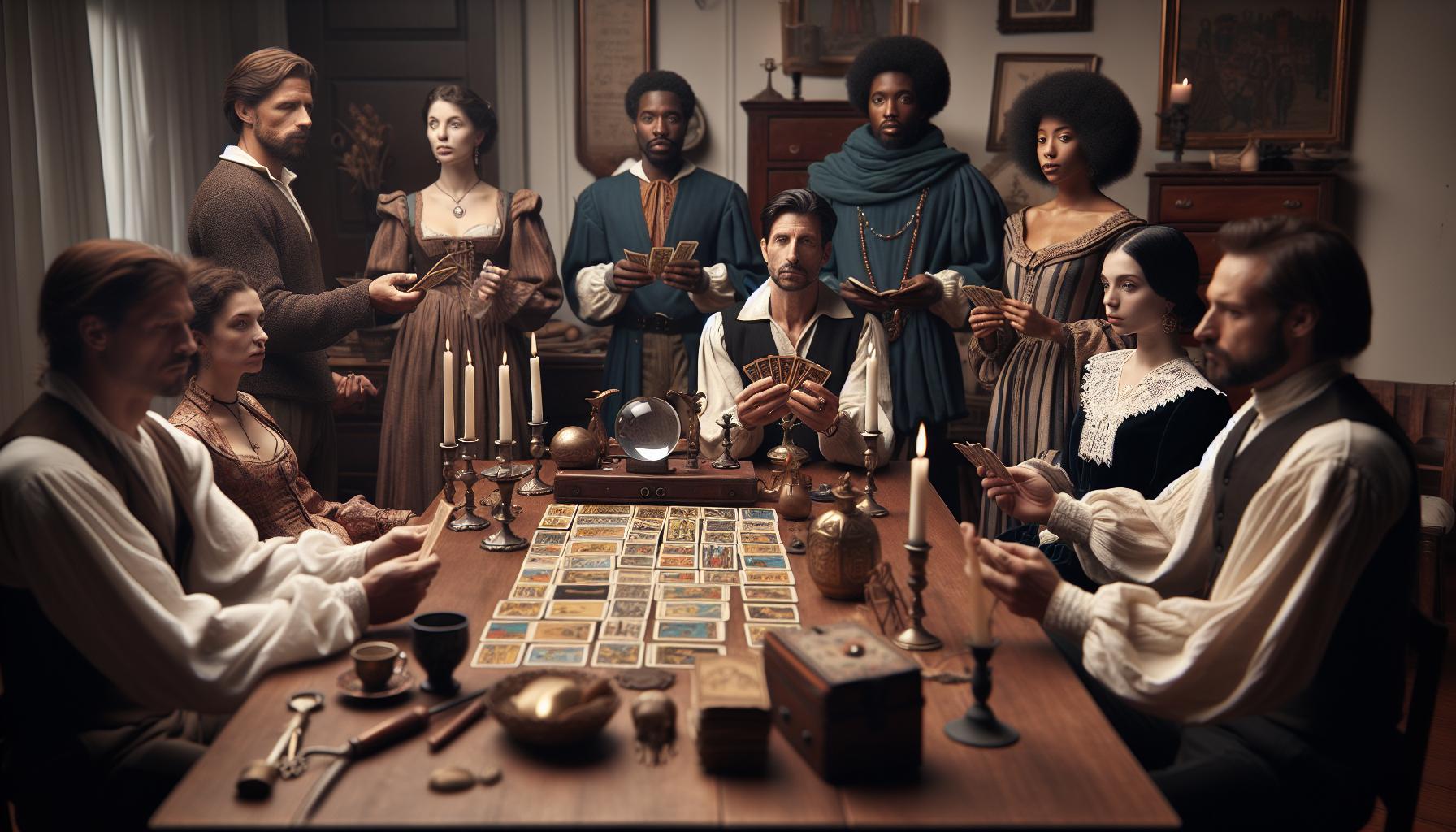
The Evolution of Tarot Decks: Styles and Designs
The journey of tarot decks reflects a rich tapestry of artistic expression and cultural evolution. From their origins as simple playing cards in the 15th century to the elaborate, symbolic illustrations we see today, tarot decks have undergone significant transformations that resonate with the shifting understanding of tarot itself. This evolution mirrors a growing interest in spirituality and self-exploration, leading to the creation of diverse styles and designs that cater to a wide range of seekers.
One of the earliest styles emerged in Italy, characterized by intricate hand-painted designs that often depicted allegorical themes. These decks typically featured a limited number of major arcana cards, which were the precursors to today’s iconic imagery. As tarot spread across Europe, particularly into France and later England, the designs began to reflect the social, political, and spiritual zeitgeist of their times. For instance, the Tarot de Marseille, known for its straightforward yet bold artwork, became one of the most influential decks, setting the standard for future designs.
As interest in tarot expanded in the 19th century, particularly among occultists and mystics, new styles began to emerge. The Rider-Waite-Smith deck, created in 1909, revolutionized tarot with its detailed illustrations that included imagery on all cards, not just the majors. This approach allowed for deeper interpretation and made the cards more accessible to those unfamiliar with tarot. The widespread popularity of this deck led to countless variations, enabling each artist to convey their unique vision and spiritual insights through the imagery. Today, you can find decks that explore themes ranging from pop culture to feminism, offering countless perspectives and interpretations.
In the modern era, the use of technology has introduced exciting new possibilities for tarot deck creation. Artists can now produce decks with vibrant colors and intricate designs using digital tools, while print-on-demand services make it easy for creators to bring their visions to life. As a result, you’ll find an explosion of decks available, each with its own unique flair and purpose. Whether you’re drawn to traditional decks for their rich historical resonance or contemporary decks for their innovative artistry, there’s a tarot deck that speaks to every reader’s journey.
Understanding the evolution of tarot decks not only enhances your appreciation for the art form but also helps you select a deck that resonates with your spiritual path. Choosing a deck that aligns with your intuition and understanding can deepen your tarot practice and personal insights, turning each reading into a powerful exploration of your inner landscape. So, as you embark on your tarot journey, consider the myriad styles available and trust your instincts to guide you toward the deck that feels right for you.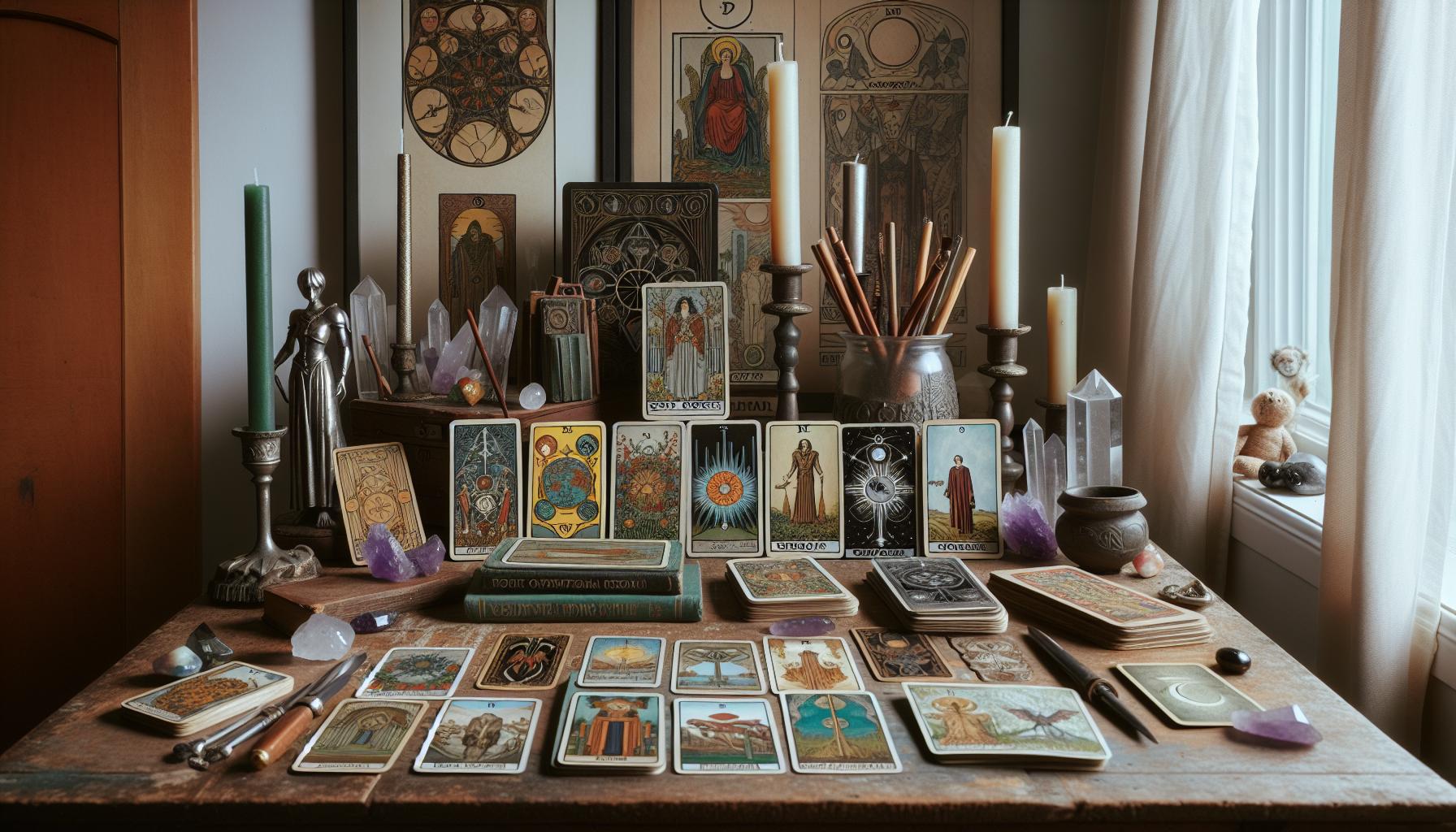
The Symbolism of Tarot Cards Through the Ages
The rich symbolism of tarot cards has evolved remarkably over the centuries, making each card not just a tool for divination but a canvas for the collective human experience. Each symbol, color, and figure carries profound meanings that have adapted to cultural contexts while preserving ancient wisdom. Understanding these symbols can deepen your readings, offering insights that resonate beyond the surface.
In the earliest decks, such as the Visconti-Sforza of Italy, symbols were more straightforward, often reflecting societal norms and values prevalent at the time. For example, the suit of Cups represented emotions and relationships, predominantly shown through the imagery of cups or chalices, which were ubiquitous in daily life. As tarot spread across Europe, the symbolism began integrating local beliefs and traditions. The Tarot de Marseille, known for its bold artwork, emphasized clarity and simplicity, where symbols like the Sun, which traditionally represented joy and success, were depicted with minimalistic flair, allowing for immediate interpretation.
As the tarot gained prominence among mystics in the late 19th century, particularly with the creation of the Rider-Waite-Smith deck, the depth of symbolism expanded. Pamela Colman Smith infused the cards with intricate imagery; for instance, the The Fool card not only marks new beginnings but also symbolizes a leap of faith into the unknown. The inclusion of rich narratives in these illustrations allowed for multiple layers of interpretation. Each character, element, and background detail became a vital part of the reading process, inviting readers to explore personal insights based on commonly recognized symbols.
Today, the diversity of tarot decks available offers an immense variety of symbolism that reflects modern values and questions. From decks that explore feminist themes to those that incorporate pop culture icons, the symbolism remains a living dialogue. Readers are encouraged to connect with the imagery that resonates most with them and to trust their intuitive responses during readings. Additionally, this personal connection to symbols can shift and grow; for example, a card like The Tower, often associated with chaos and upheaval, may resonate differently depending on the circumstances of the querent’s life, transforming its meaning from disaster to liberation.
Through this lens, the symbolism of tarot cards serves not only as a guide for divination but also as a powerful means of self-reflection and exploration. Embrace the journey of discovering what each symbol means to you personally; the wisdom of tarot lies within the experience each reader brings to it. Whether you’re a beginner or an experienced tarot practitioner, delve into the meanings, trust your instincts, and allow the symbols to illuminate your path.
Tarot in Ancient Cultures: A Historical Perspective
The origins of tarot can be traced back to a tapestry of ancient cultures, each contributing to its rich historical landscape. Initially, tarot decks were not created for divination but were part of playing card games in 15th-century Europe. The earliest known tarot decks, such as the Visconti-Sforza, were artistic creations meant for the nobility, showcasing elaborate images that often reflected the societal hierarchies and values of Renaissance Italy. This playful beginning laid the groundwork for the later spiritual and mystical interpretations of tarot.
As tarot began to evolve, it absorbed influences from various cultures. The Mamluk cards, introduced to Europe from the Middle East, were instrumental in shaping the design and structure of tarot decks. These Islamic playing cards featured intricate designs and served as a cultural bridge, connecting Eastern aesthetics with Western traditions. By the late 18th century, tarot transitioned from mere entertainment to a tool for mystical practices, particularly in the hands of figures such as Antoine Court de Gébelin, who ascribed profound esoteric meanings to the cards.
In ancient cultures, the foundations of divination and symbolic interpretation can also be seen in various forms of oracles and systems. For instance, the Egyptian Book of the Dead provided spiritual guidance, echoing the ancestors’ voices and beliefs through symbolic representation. Such practices paralleled the later use of tarot cards, which also aimed to connect the querent with deeper spiritual truths through symbols and archetypes. Additionally, elements of astrology and numerology intertwined with tarot traditions, enhancing its interpretative depth.
The remarkable journey of tarot through ancient cultures reminds us of our collective human desire to seek understanding and connection. Today, tarot serves as a bridge between our inner selves and the broader universe, welcoming seekers from all walks of life. By exploring this historical perspective, you can appreciate not just the cards but the cultural richness they embody, allowing for deeper, more meaningful readings that resonate with your unique journey. Embrace the stories of the past as you work with the cards, for each reading is a conversation with history itself.
The Influence of Tarot on Modern Spirituality
The modern resurgence of tarot in spiritual practices reflects a profound shift in how people view and connect with their inner selves and the universe. In recent years, tarot has transcended its origins as a mere card game to become a vital tool for introspection and personal growth. With its rich symbolism and archetypal imagery, tarot facilitates deep conversations about life’s challenges, emotions, and decisions, making it accessible for both the seasoned practitioner and the curious novice.
One of the most impactful aspects of tarot today is its ability to provide clarity amid uncertainty. Each card serves as a mirror, reflecting the querent’s current situation and possible future paths. For example, drawing the Two of Swords might indicate the need to make a difficult decision, inviting the querent to explore their thoughts and feelings surrounding the choice. This process empowers individuals to tap into their intuition, fostering self-discovery and confidence in their judgment.
Additionally, tarot has found a unique place within the broader context of modern spirituality, often intermingling with practices such as meditation, journaling, and energy healing. Many practitioners use tarot in daily rituals, drawing cards for guidance or insight. For instance, a simple three-card spread can represent past, present, and future, providing a comprehensive overview that enhances one’s understanding of their personal journey. This practice not only connects individuals with their spiritual side but also helps them set intentions and goals, driving meaningful change in their lives.
In a world where the mystical and the mundane often collide, tarot stands as a bridge. It invites skeptics and believers alike to explore their desires, fears, and aspirations without judgment. The modern tarot community thrives on inclusivity, offering resources and workshops that demystify the cards and encourage personal interpretation. Through this collaborative environment, individuals are reminded that tarot is not just about predicting the future; it’s about engaging in a conversation with oneself, a journey where each card can unveil layers of meaning and insights waiting to be explored.
Explaining the Marseille and Rider-Waite Decks
The Tarot has a rich tapestry woven through its history, and two of the most influential and widely-used decks are the Marseille and the Rider-Waite. Understanding these decks provides insights not only into their design and symbolism but also into how they have shaped contemporary tarot practice.
The Marseille deck, thought to date back to the 15th century, hails from France and is renowned for its succinct and bold artwork. Unlike contemporary decks that often incorporate elaborate imagery, the Marseille uses simple, vibrant colors and strong lines. Its pip cards-those numbered cards in each suit-often feature minimalistic designs, focusing primarily on the symbols of the suits: Cups, Wands, Swords, and Pentacles. This straightforward representation encourages readers to delve deeply into their intuition and interpret meanings directly, making each reading a unique exploratory journey. The clarity of the Marseille encourages a focus on the numerology and elemental aspects of the cards, allowing for a pure connection to the archetypes they represent.
Conversely, the Rider-Waite deck, created in the early 20th century by artist Pamela Colman Smith and mystic Arthur Edward Waite, revolutionized the tarot landscape. This deck introduced rich imagery depicted on all cards, including the pip cards, which illustrated scenes relating to the card’s meaning rather than displaying mere symbols. For example, the Five of Cups features a grieving figure, inviting reflections on loss and regret, thereby opening the door for emotional engagement. The Rider-Waite’s accessibility has made it a staple for those new to tarot, providing a visual narrative that enhances comprehension and connectivity with the cards.
Both the Marseille and Rider-Waite decks serve distinct purposes, catering to different reading styles and preferences. If you’re drawn to simplicity, the Marseille may resonate with you, especially for numerological or astrological inquiries. In contrast, if you prefer detailed storytelling through visual cues, the Rider-Waite offers a narrative that guides your interpretations. Whichever deck you choose, remember that both are tools for introspection and growth, reflecting the myriad ways we seek to understand our lives and experiences through the lens of tarot.
Ultimately, the choice between the Marseille and Rider-Waite decks is deeply personal. Engaging with both can enhance your understanding of tarot-each deck invites you into a different world of symbolism and meaning, reminding us that tarot’s beauty lies in its diversity and the personal connection we forge with each card.
How Tarot Spread Usage Has Changed Over Time
Throughout the centuries, the way tarot spreads are used has evolved dramatically, reflecting changes in societal values, spiritual beliefs, and personal introspection. Initially, tarot cards were employed mainly for games and entertainment in the 15th century, but as their mystical properties were recognized, readers began to craft specific spreads for divination and spiritual guidance. This transformation marked the beginning of a journey where each spread became a unique tool in revealing deeper truths.
In the early days, most readings were single-card draws or very simple three-card spreads, often used to gain insight into immediate concerns. As tarot became more popular in the 18th and 19th centuries, complex spreads emerged, such as the Celtic Cross, which offered a comprehensive view of a querent’s situation, integrating various aspects like past influences, present challenges, and potential outcomes. This shift toward more intricate arrangements provided readers with a multi-dimensional perspective and allowed them to explore interconnected themes in greater depth.
The Modern Age of Tarot Spreads
Today, tarot spreads continue to challenge and inspire practitioners. Technology and social media have played significant roles in this evolution. With the rise of online communities, readers share their custom spreads, ideas, and interpretations, fostering innovation and inclusivity in tarot practice. Furthermore, the concept of using spreads tailored to specific questions-like those aimed at love, career, or personal growth-has become increasingly popular. This adaptability caters to the diverse needs of modern seekers, allowing them to gain insights relevant to their individual journeys.
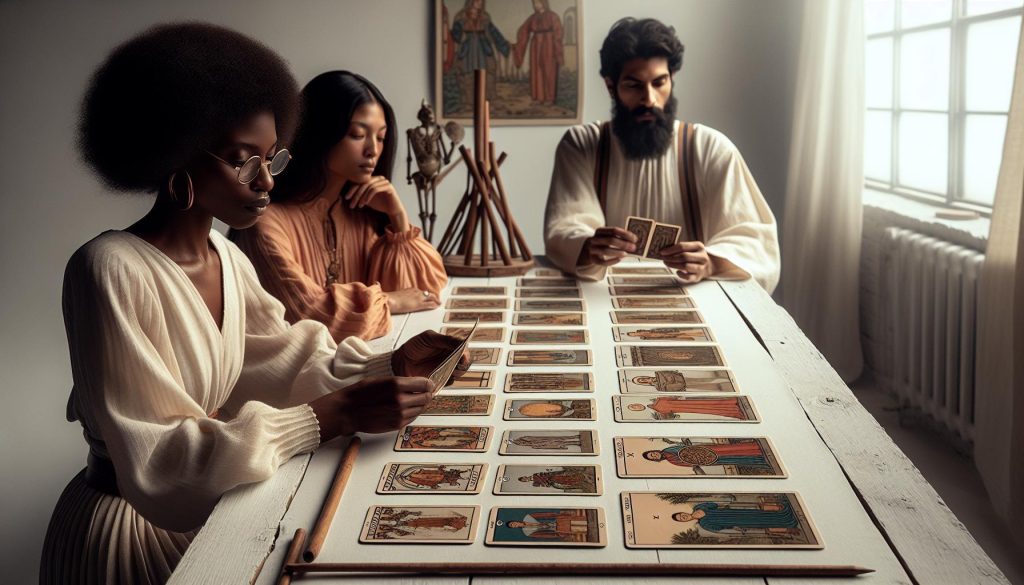
When beginning your exploration of tarot spreads, it’s beneficial to familiarize yourself with some traditional layouts. A simple yet effective starting point is a three-card spread, which can represent past, present, and future, or a challenge, action, and outcome. As you grow more comfortable, you can experiment with more complex spreads or create your own based on your intuitive guidance. Engaging with different spreads not only deepens your understanding of the cards but also enhances your connection with your inner self, making every reading a personal adventure into discovering the vast landscape of your life’s narrative.
In closing, the evolution of tarot spread usage is a testament to the adaptability of this ancient practice. As you continue your tarot journey, remember that each spread is a reflection of your personal exploration and the ever-changing story of life itself. Embrace the magic of tarot with an open heart, and allow it to guide you in ways that resonate with your unique path.
Famous Tarot Readers and Their Impact
Famous tarot readers have significantly shaped the perception and practice of tarot throughout history, providing insights that transcend mere card interpretations and resonate deeply with seekers from all walks of life. Figures like Aleister Crowley and Pamela Colman Smith have not only influenced tarot aesthetics but also its spiritual significance and cultural integration. Crowley, known for his elaborate tarot deck called the Thoth Tarot, infused his work with psychological and mystical concepts, encouraging readers to view tarot as a tool for deep self-exploration. His approach emphasized the interconnectedness of the cards, prompting individuals to use them as mirrors reflecting their subconscious.
Pamela Colman Smith, the artist behind the iconic Rider-Waite tarot deck, revolutionized tarot design with her intricate illustrations that brought the symbolism of each card to life. This deck became one of the most widely used tarot decks in the world, making tarot accessible to the masses. It encouraged users to engage with the imagery on a personal level, allowing them to derive their unique interpretations based on feelings and intuitions sparked by the visuals. Smith’s work exemplifies how visual art can serve as a gateway for understanding complex spiritual concepts.
In more contemporary times, readers like Rachel Pollack and Mary K. Greer have transformed tarot practice into a community-oriented and inclusive spiritual tool. They emphasize the importance of personal interpretation and the shifting meanings of cards based on the reader’s life experiences and context. This focus on individual insight fosters a sense of empowerment among practitioners, inviting both skeptics and believers to explore their intuition without reservations.
The stories and teachings of these influential figures not only highlight the evolution of tarot but also underscore its lasting impact on spirituality and personal growth. As you engage with tarot in your own journey, consider how these pioneers have paved the way for diverse interpretations and practices, which can enrich your readings and deepen your connection to the cards. Embrace the wisdom they have imparted and let it inspire your intuitive exploration of this ancient art.
Debunking Myths: Tarot Through History
Many misconceptions surround tarot, lending it an air of mystery that both fascinates and intimidates. However, understanding the historical context of tarot can demystify its purpose and highlight its genuine use as a tool for reflection and growth. One prevailing myth is that tarot is inherently linked to the occult or malevolent forces. In truth, tarot’s origins can be traced back to the 15th century in Europe, where it served primarily as a card game rather than a mystical practice. This playful beginning underscores that tarot’s association with divination and spiritual insights developed much later, primarily in the 18th century.
Another common belief is that tarot readings predict an unchangeable future. Many people think that a tarot card reading sets in stone what will happen. However, tarot is more accurately described as a means of exploring possibilities and gaining insight into one’s current circumstances. Each card represents various themes and archetypes that can guide individuals in reflecting on their lives and decisions. This aligns with the modern understanding of tarot as a tool for personal growth, fostering self-awareness rather than merely forecasting fate.
Moreover, there is a notion that only certain individuals possess the ‘gift’ to read tarot effectively. This myth can deter those interested in exploring tarot, leading them to believe they lack the necessary intuition or skills. In reality, anyone can learn to read tarot with practice and an open mind. The cards serve as a mirror, reflecting the reader’s emotions and thoughts. Engaging with tarot is accessible, and cultivating a personal connection with the cards can lead to profound insights, regardless of one’s prior experience.
Through this lens, tarot becomes a bridge between the past and present-a tool that invites us to engage with our inner selves. By debunking these myths, we create a welcoming space for exploration, encouraging everyone to unpack their intuition and share in the rich tapestry that tarot has woven throughout history.
The Resurgence of Tarot: A Modern Renaissance
As we navigate the 21st century, there has been a remarkable resurgence of interest in tarot, marking what many enthusiasts describe as a modern renaissance. This revival is fueled by a combination of factors including the rise of digital platforms, social media, and a growing collective quest for self-understanding and spiritual connection. Where tarot was once whispered about in the shadows of superstition, it is now embraced openly and celebrated as a legitimate tool for personal exploration, creativity, and empowerment.
The accessibility of tarot has significantly transformed within recent years. Today, anyone can learn tarot with just a smartphone and an internet connection. Resources abound, from instructional YouTube channels to dedicated online communities where individuals share their readings, insights, and interpretations. This democratization of tarot allows people from all walks of life to engage with its rich symbolism and meanings, shifting it away from the realm of the esoteric into everyday practice.
Moreover, the aesthetic appeal of tarot decks has also evolved, catering to a diverse world. Contemporary artists are developing decks that resonate with a wider audience, exploring themes such as feminism, LGBTQ+ identities, and various cultural motifs. Each deck tells a story, and users can select one that reflects their personal journeys or values. The rise of the indie tarot movement has empowered creators to design unique cards that speak more intimately to different experiences, further strengthening tarot’s position as a relatable and personal tool.
In this renewed landscape, tarot is not only viewed as a method for divination but also as a catalyst for mindfulness and mental health support. Many turn to tarot during periods of stress or uncertainty, finding solace in the cards’ ability to prompt introspection and foster clarity. Simple spreads, like the three-card draw, can facilitate productive self-dialogue. For those new to tarot or skeptical about its efficacy, starting with a straightforward reading can provide profound insights while establishing a deeper connection with one’s intuition.
As we look towards the future, the integration of tarot into everyday life appears poised to grow even stronger. Continued exploration of tarot’s historical significance paired with contemporary practices offers a unique perspective. This holistic blend of tradition and modernity showcases tarot as a dynamic tool for enrichment-inviting everyone, whether skeptics or believers, to experience its timeless wisdom in new and exciting ways.
Future Trends in Tarot Practice and Interpretation
As more people seek tools for personal growth and intuitive guidance, tarot is evolving to meet the needs of modern practitioners. This shift is not only about the accessibility of resources but also about how we approach tarot in our daily lives. With the influence of social media and online communities, individuals are now sharing their experiences with tarot in unprecedented ways. This environment of collaboration fosters new interpretations and practices, enriching our understanding of this ancient art.
Emphasis on Personalization and Diversity
One of the most exciting trends in contemporary tarot practice is the diversification of tarot decks and readings. Artists are producing decks that reflect a wide range of cultures, beliefs, and identities, allowing users to find a deck that resonates deeply with their personal experiences. For example, decks that celebrate femininity, inclusivity, or cultural heritage empower users to engage with the cards on a more intimate level. This personalization not only fosters a connection between the reader and their cards but also broadens the appeal of tarot to audiences who may have felt excluded in the past.
Integration of Technology
Digital platforms are also transforming how we interact with tarot. Mobile apps that guide users through readings, offer card meanings, and even include features for journaling and personal reflection are becoming increasingly popular. This technology enables practitioners to easily incorporate tarot into their lives, providing them with quick access to resources anytime, anywhere. Additionally, virtual consultations with experienced readers have made it possible for individuals to receive guidance no matter where they are located. The convenience of online tarot readings not only broadens access but also creates opportunities for deeper connections with various tarot communities around the globe.
Mindfulness and Mental Health
Another notable trend is the growing recognition of tarot as a tool for mindfulness and emotional well-being. As mental health awareness increases, more people are turning to tarot not just for divination, but as a complementary practice for self-care. Through reflective practices like journaling and meditation about the cards drawn, individuals can achieve greater self-awareness and insight. Simple three-card spreads focusing on past, present, and future, or a card for daily affirmation, can serve as practical tools for fostering mindfulness and encouraging emotional exploration.
As tarot continues to adapt and flourish in this modern landscape, it remains a vibrant practice for both new and seasoned users alike. Whether through innovative new decks, technology-enhanced experiences, or applications in mental health, the future trends promise an enriching journey for all who seek to explore the wisdom of the cards. Embracing these changes invites everyone, skeptics and believers alike, to engage with tarot as an accessible and enlightening resource for self-discovery and empowerment.
Q&A
Q: When did Tarot cards first appear in history?
A: Tarot cards first appeared in the 15th century in Europe, initially as a playing card game. They were not widely associated with divination until the 18th century. Understanding this timeline showcases their evolution from games to spiritual tools. For a deeper dive, check out our section on The Origins of Tarot: A Journey Through Time.
Q: What cultures influenced the development of Tarot?
A: The development of Tarot was influenced by Italian, French, and Egyptian cultures. Each culture contributed to Tarot’s symbolism, art, and use in divination. Exploring Tarot in ancient cultures can provide insight into these influences. Visit our section on Tarot in Ancient Cultures: A Historical Perspective for more details.
Q: How did Tarot cards gain popularity for divination?
A: Tarot cards gained popularity for divination in the late 18th century, largely due to the works of occultists who emphasized their mystical properties. The Rider-Waite Tarot deck played a significant role in this resurgence. Discover more in our segment on The Resurgence of Tarot: A Modern Renaissance.
Q: What significant changes have occurred in Tarot card designs over time?
A: Tarot card designs have evolved significantly, transitioning from simple illustrations to richly symbolic artwork. Notable styles include the Marseille and Rider-Waite decks, each offering unique interpretations. For a closer look, refer to our section on The Evolution of Tarot Decks: Styles and Designs.
Q: How have Tarot spreads evolved through history?
A: Tarot spreads have evolved as readers developed new methods to interpret the cards. Initially, simple layouts prevailed, but today, a variety of complex spreads exist, allowing for deeper insights. Check out our article on How Tarot Spread Usage Has Changed Over Time for further exploration.
Q: What are some common myths about the history of Tarot?
A: Many myths surround Tarot, such as the belief that it originated from dark magic or that it was exclusively used by fortune tellers. Understanding the true historical context can illuminate its purpose as a tool for reflection and guidance. For more, see our section on Debunking Myths: Tarot Through History.
Q: Where do modern Tarot practices stem from historically?
A: Modern Tarot practices stem from historical uses in divination and spiritual exploration, influenced by earlier European mystical traditions and the esoteric movements of the late 19th and early 20th centuries. Read more about this in our section on The Influence of Tarot on Modern Spirituality.
Q: How has the perception of Tarot changed over the centuries?
A: The perception of Tarot has shifted from being viewed as mere playing cards to being recognized as spiritual tools for introspection. This evolution mirrors broader changes in societal views on spirituality. Learn more in our part about The Resurgence of Tarot: A Modern Renaissance.
Final Thoughts
As we wrap up our exploration of the fascinating history of Tarot, remember that each card carries a legacy waiting to be uncovered. From its mysterious origins to its evolution into a powerful divination tool, Tarot continues to inspire curiosity and insight. If you’re eager to deepen your practice, consider our 3-Card Tarot Career Reading for a snapshot of how Tarot can illuminate your professional path or try our Daily Tarot Reading to connect with the Universe each day.
Don’t miss out on the chance to expand your understanding further-subscribe to our newsletter for more engaging content on Tarot and spiritual growth. Experience the magic for yourself by diving into our other resources, like our guide on analyzing spreads and improving your readings. Embrace the journey: leave a comment below sharing your thoughts or questions, and join a community that welcomes both seekers and skeptics alike. Tarot isn’t just a history; it’s a living tradition-let it guide you today!
Get our latest guides, news, and insights highlighted in your Google Search & AI Overviews.