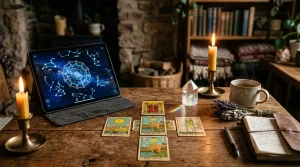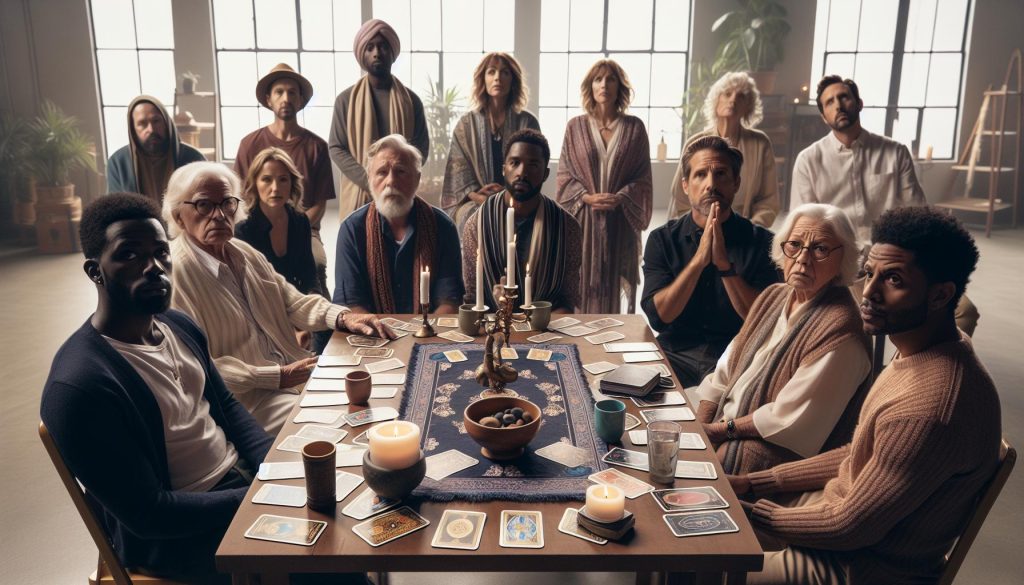
The curiosity surrounding Tarot often raises an important question: Is Tarot demonic? This query touches on deep-seated fears and beliefs, particularly within religious contexts. Many people find themselves intrigued by the cards yet hesitant due to concerns about their spiritual implications. Understanding Tarot can empower you to explore your intuition and personal growth, whether you’re a skeptic or a seeker. In this article, we’ll gently navigate the misconceptions and address the religious concerns that often cloud this ancient practice. By demystifying Tarot, we aim to foster a safe space for discovery, encouraging you to approach the cards with an open mind and heart. Join us as we clarify the spiritual essence of Tarot, dispel the myths, and invite you on a journey toward deeper self-awareness and enlightenment.
Is Tarot a Tool for Spirit Communication?

The belief that Tarot can be a medium for spirit communication is as fascinating as it is varied among practitioners and spiritual seekers. Many view the Tarot not merely as a set of cards, but as a bridge to deeper understanding-connecting us to our intuition, our subconscious, and perhaps even to energies beyond our physical world. For some, the practice can evoke profound insights, leading to a sense of dialogue with a greater wisdom, whether that be personal, spiritual, or collective.
Understanding the Connection: Tarot cards are rich in symbolism and archetypes, each carrying unique meanings and associations. This intricate web of symbolism allows readers to create narratives that resonate personally and can be interpreted within the context of spirit communication. When engaging with the cards, individuals often report a sense of guidance or presence that feels distinctly connected to something larger. This experience can be interpreted as communicating with one’s higher self or tapping into the universal consciousness.
Creating a Space for Connection
To facilitate this connection, it is beneficial to approach Tarot with intentionality. Here are some practical steps to help harness the potential of Tarot for spirit communication:
- Set an Intention: Before each reading, clarity about what you seek can enhance the connection. This could be understanding a past event, guiding future decisions, or even seeking messages from beyond.
- Create a Sacred Space: Dim the lights, light a candle, and incorporate items that hold personal significance, such as crystals or photos. This environment fosters openness and receptivity.
- Use Specific Spreads: Certain spreads, like the Celtic Cross or a three-card past-present-future spread, can better frame your questions and invite deeper insights.
Real-life examples illustrate this approach. Imagine a novice reader who, during a session focused on healing, pulls the Six of Cups, which often represents nostalgia and reconciliation. This card may evoke memories of past loved ones, prompting reflections that feel like a gentle nudge from spiritual guardians. Such moments can deepen the belief that the Tarot acts as a conduit for deeper understanding and connection.
Ultimately, whether one sees Tarot as a direct link to spirits or merely as a powerful tool for self-reflection, it holds the potential for personal and spiritual growth. By embracing both the mystique of Tarot and the inclusivity of its interpretations, anyone can find value in its practice, making it a truly universal tool for exploration.
Understanding the Historical Context of Tarot
The origins of Tarot trace back to the 15th century in Europe, particularly in Italy, where it began as a game known as tarocchi. Initially, these cards had no mystical significance; they were purely recreational, used for entertainment among the nobility. The emergence of Tarot as a tool for divination and spiritual exploration came much later, evolving through cultural exchanges and mystical traditions.
In the 18th century, Tarot began to be associated with the occult, primarily through the works of mystics and scholars such as Antoine Court de Gébelin. He proposed that the Tarot contained ancient wisdom linked to Egyptian lore and Kabbalah, sparking a wave of interest in its potential for spiritual insight. This period marked the transition of Tarot from a card game to a powerful symbolic framework for divination, connecting individuals to deeper personal truths and universal energies.
Historically, the symbolism in Tarot reflects a blend of various traditions, including astrology, alchemy, and mythology, each card representing archetypal themes of the human experience. For example, The Fool signifies new beginnings and innocence, inviting readers to embrace spontaneity, while The Tower warns of sudden tumult and transformation. Understanding these rich meanings allows practitioners to tap into a reservoir of insights that resonate with their unique spiritual journeys.
As cultural perceptions shifted, so too did the beliefs surrounding Tarot. In some religious contexts, it was demonized and viewed as a tool of the occult, leading to an ongoing debate about its appropriateness and safety. Many denominations argue that the Tarot can lead practitioners away from faith, insisting instead on traditional forms of guidance through scripture and prayer. However, advocates of Tarot argue for its value as a psychological tool-an avenue for self-exploration, reflection, and personal empowerment rather than a pathway to malevolent forces.
Adopting a respectful and open approach to Tarot can create avenues for dialogue between diverse spiritual perspectives. Acknowledging its history provides a deeper understanding of its current role in spiritual practices, allowing individuals to incorporate its lessons while navigating their beliefs and fears. Whether skeptics or believers, approaching Tarot with curiosity rather than judgment opens a space for personal growth and connection.
Religious Perspectives on Tarot Reading
Exploring the influence of unveils a tapestry of beliefs that range from keen skepticism to open acceptance. For many, Tarot cards evoke feelings of trepidation; some view them through a lens of superstition, fearing they are linked to dark forces or forbidden practices. This is often rooted in interpretations of religious texts that discourage seeking guidance outside traditional spiritual avenues, such as prayer and scriptural interpretation. The apprehension comes from the misconception that Tarot serves as a medium for demonic communication, a notion that resonates deeply within certain religious communities.
However, it is essential to recognize that Tarot can also be viewed as a tool for introspection rather than a means of divination. Many practitioners, regardless of their religious backgrounds, employ Tarot as a framework for self-reflection and personal growth. By interpreting cards and their symbols, individuals can navigate their thoughts and emotions, gaining insights that may feel spiritually enriching. In this context, Tarot transcends its mystical connotations, embodying a psychological practice that encourages users to confront their fears, desires, and life paths.
To foster a healthy dialogue between diverse beliefs, it is beneficial to approach Tarot with curiosity and respect. Engaging in discussions about its historical foundations can reveal how Tarot has been historically used in various spiritual practices, and how it can coexist alongside, rather than oppose, religious beliefs. For instance, many find comfort in using Tarot to aid their meditation or prayer, bridging sacred practices with modern introspection. This dialogue opens pathways for believers, seekers, and skeptics alike to share experiences without judgment, enriching their spiritual journeys.
Ultimately, embracing Tarot in a respectful manner can demystify its usage and alleviate fears associated with it. It becomes crucial to understand that Tarot reading doesn’t necessitate abandoning one’s faith; rather, it encourages a holistic approach to spirituality, allowing for exploration and understanding of self in relation to the cosmos. By viewing Tarot through a lens of openness, individuals can integrate this tool as a complement to their spiritual practices, enhancing their personal and communal experiences.
Debunking Myths: Tarot and Demonic Associations

Often cloaked in an air of mystery, Tarot cards have been unjustly labeled as instruments of dark forces or demonic communication. This pervasive myth can deter individuals from exploring what Tarot truly represents-a powerful tool for self-discovery and personal growth. Understanding this misconception is crucial, particularly for the spiritually curious who may feel apprehensive about engaging with Tarot due to these fears.
At the core of many religious objections to Tarot lies a misunderstanding of its purpose and function. While some may view Tarot as a direct connection to the supernatural, practitioners typically regard it as a means of tapping into their subconscious. The insights drawn from Tarot readings do not stem from nefarious entities but from the reader’s intuition and life experiences. Notably, Tarot reading can parallel activities such as meditation and self-reflection-practices often embraced in various spiritual traditions for their ability to foster personal insight without invoking external influences.
To further dispel the notion that Tarot is demonic, it’s essential to explore historical contexts where Tarot has been employed. Originally, Tarot decks were used for playing games in the 15th century, later evolving into tools for divination and psychological exploration. This transformation reflects a broader understanding of Tarot as a narrative framework, allowing users to interpret their lives and circumstances through symbolic imagery. Much like interpreting dreams, engaging with Tarot can be profoundly enlightening, operating within the realm of personal psychology rather than the supernatural.
Engaging with Tarot does not require a rejection of one’s religious beliefs. Many practitioners find that incorporating Tarot into their spiritual practice enriches their understanding of themselves and their connection to the divine. By approaching Tarot with an open mind and a respectful attitude, skeptics can uncover its value as a safe space for intuitive guidance and self-exploration. As Tarot becomes a bridge between psychological insight and spiritual growth, it becomes clear that the art of reading these cards invites empowerment, healing, and a deeper connection to our own life paths.
Exploring the Psychological Benefits of Tarot
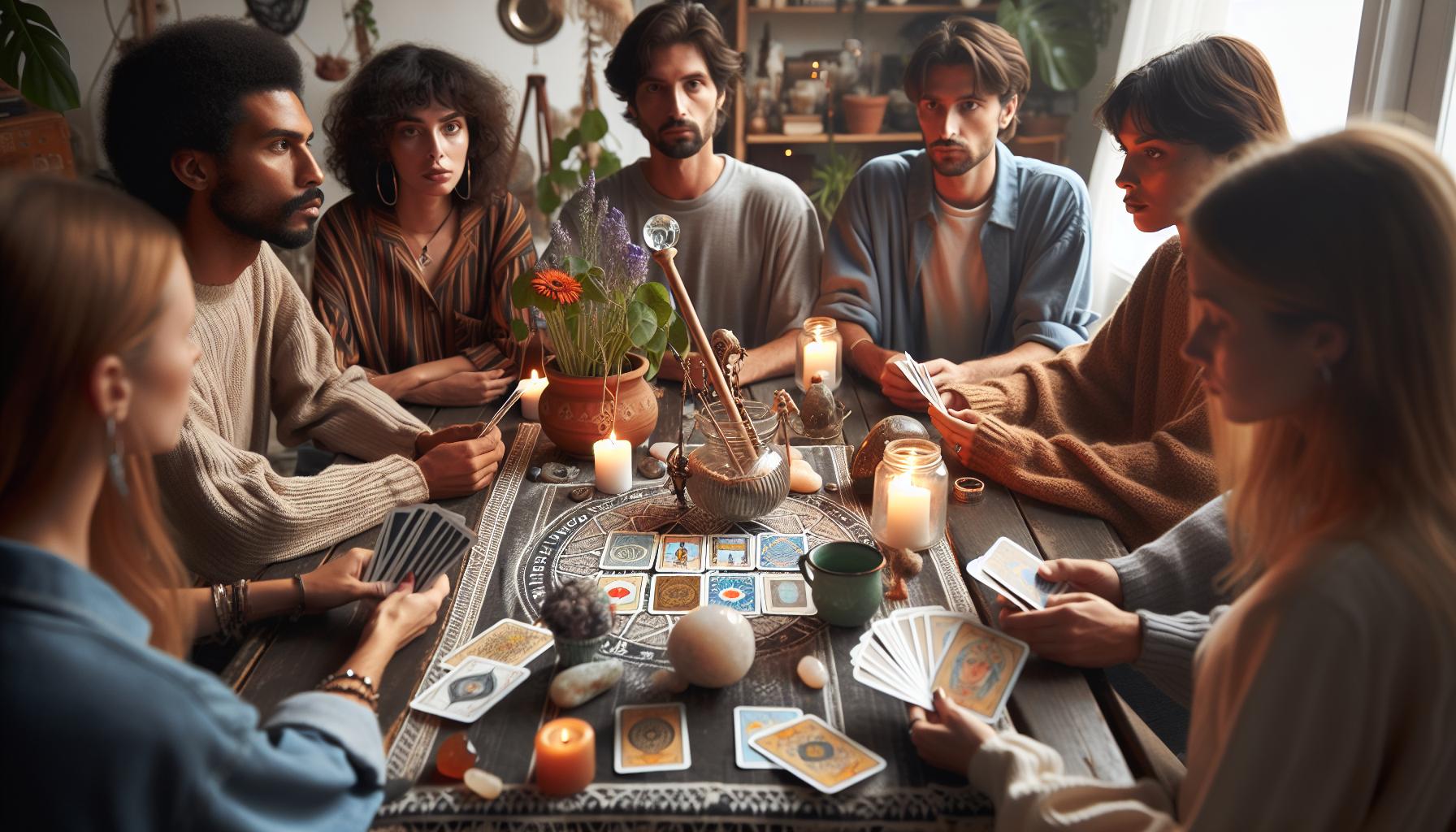
Many people may overlook the deeper psychological benefits that Tarot offers, reducing it to mere fortune-telling. However, engaging with Tarot can act as a profound tool for personal insight, reflection, and mental clarity. By interpreting the symbols and narratives within the cards, individuals can tap into their subconscious, gaining perspectives they might not have realized were within them. This process can lead to enhanced self-awareness, helping users to confront and navigate emotional challenges or life decisions.
One of the most significant psychological advantages of Tarot comes from its ability to facilitate introspection. For instance, during a reading, one might pull the Two of Swords, which often represents difficult decisions or emotional blockages. This card can prompt a thoughtful exploration of one’s feelings regarding a specific situation, such as a career change or relationship dilemma. By articulating these feelings and viewing them through the lens of the card, individuals can analyze their inner conflicts, making the decision-making process clearer and less daunting.
In addition to encouraging introspection, Tarot can serve as a dialogue starter, both internally and with others. When discussing readings, people often find themselves articulating thoughts or emotions they’ve kept hidden. This sharing can foster deeper connections with friends or family, enhancing relationships and building supportive networks. As such, the experience of Tarot can transcend solitary reflection, becoming a communal activity that invites collaboration and shared understanding.
Moreover, using Tarot as a reflective tool can help to lessen anxiety and increase mindfulness. Regularly engaging with the cards encourages a practice of stepping back from daily stressors, allowing time for contemplation and presence. Through a structured reading process, where each card represents different aspects of the user’s current state, individuals can ground themselves. Techniques such as the Three-Card Spread-representing past, present, and future-invite users to view their lives in a sequential and meaningful narrative. This method not only anchors thoughts in reality but also offers a roadmap for future action.
Empowering oneself through Tarot can also bolster one’s intuitive abilities, contributing to personal growth and healing. Regular interaction with the cards fosters confidence in one’s innate wisdom and judgment. As users become more attuned to their intuitive selves, they often report a greater sense of agency in their lives, feeling better equipped to tackle challenges and pursue their goals. In essence, Tarot acts as both a mirror and a guide, reflecting personal realities while illuminating paths forward.
Ethical Tarot Reading: Respecting Beliefs

In the landscape of spirituality, the topic of Tarot can evoke a tapestry of beliefs, running the gamut from reverence to apprehension. One major aspect of ethical Tarot reading is the deep respect for the diverse beliefs and backgrounds of individuals engaging with this practice. Approaching Tarot with compassion and sensitivity is crucial, especially when some may associate it with negativity or have concerns rooted in their religious frameworks. Acknowledging these perspectives not only builds trust but also fosters a safe environment for open exploration.
When conducting a Tarot reading, it’s important to practice active listening and empathetic inquiry. Encourage clients to express their beliefs and feelings regarding Tarot. This engagement allows readers to tailor their approach, ensuring that the experience aligns with the client’s values. For example, if a client shares that their faith views divination as inappropriate, a respectful reader might focus on using Tarot as a tool for self-reflection rather than predictions, emphasizing its role in personal insight and growth.
Additionally, creating clear boundaries in readings is essential. A good practice is to establish at the beginning that the cards serve as catalysts for discussion and introspection rather than definitive answers about fate. Remind clients that they hold the power to shape their paths, reinforcing the supportive role Tarot plays in facilitating self-discovery. Consider implementing techniques like the Three-Card Spread, which can represent past influences, present situations, and potential futures, enabling clients to view their life as a narrative shaped by their choices rather than fate dictated by the cards.
Moreover, ethical readers can enhance their practice by continuously educating themselves about various belief systems and cultural contexts. This knowledge not only enriches their understanding but also equips them to navigate conversations that might arise about the spiritual implications of Tarot. Seek to demystify Tarot while acknowledging its depths, welcoming those with skepticism alongside those who embrace its mystical aspects. By nurturing a space that respects all viewpoints, readers will cultivate confidence in their practice and empower others to explore their intuition and insights freely.
How to Approach Tarot with an Open Mind
When approaching Tarot, cultivating an open mind is essential for both the reader and the seeker. Tarot is often shrouded in misconceptions-particularly regarding its spiritual implications. By setting aside preconceived notions and welcoming the cards as a potential conduit for insight, you open the door to a rich and transformative experience. The beauty of Tarot lies in its ability to serve as a mirror, reflecting not just potential future scenarios but also your internal landscape, helping you connect deeper with your intuition.
One effective strategy for fostering this open mindset is to recognize that Tarot operates on a psychological level as much as a spiritual one. Start your journey by introducing the idea that Tarot cards symbolize universal archetypes-embracing notions of the human condition like love, anxiety, joy, and fear. This understanding makes the cards accessible and relatable. As you engage with the imagery and messages, reflect on your personal experiences. For example, when drawing the Two of Swords, you might recognize a time in your life when you faced a difficult decision, allowing that past experience to deepen the reading’s relevance.
Practical Steps to Stay Open-Minded
- Set Intentions: Before engaging with the Tarot, take a moment to set your intention for the reading. What aspects of your life do you hope to explore? This clarifying process prepares your mind for open exploration.
- Practice Non-Judgment: Approach the cards with curiosity rather than with skepticism or doubt. If a particular card challenges your beliefs or perceptions, consider it a catalyst for deeper inquiry rather than a reason to dismiss the reading.
- Engage with the Imagery: Spend time looking at the illustrations on each card. Allow your intuition to guide you through what feelings or thoughts arise. This connection often leads to profound personal revelations, showcasing that Tarot can be a tool for self-discovery rather than an endpoint dictated by external forces.
- Seek Diverse Perspectives: Engaging with others who read Tarot or share their experiences can help broaden your understanding. Attend workshops or read books that consider various cultural interpretations of Tarot. This exchange can illuminate the ways in which Tarot transcends individual belief systems.
Remember, Tarot does not require a strict belief in its mystical elements to be valuable. Many who practice approach it solely as a tool for insight and self-reflection. By nurturing a welcoming environment for both skeptics and believers, you encourage a healthy dialogue about the aspects of spirituality that resonate with each individual. This openness not only enhances your own Tarot experience but also fosters mutual respect among those exploring this fascinating practice.
Testing Tarot: A Skeptic’s Guide
Skepticism can serve as a valuable lens through which to explore Tarot, particularly when questions surrounding its spiritual implications arise, such as concerns about demonic associations. Testing Tarot from a skeptical viewpoint does not require dismissing its practice outright. Instead, it involves a structured approach to assess the tool’s efficacy and relevance in your life without the fear of engaging with the dark themes it sometimes evokes. Recognizing that Tarot can be a psychological tool rather than a mystical one opens the door to a more relaxed exploration.
To begin, it’s essential to ground your Tarot experience in your own reality. Ask yourself: What do I hope to gain from this practice? Is it insight into personal challenges, decision-making support, or simply curiosity? This clarity allows you to navigate your Tarot journey without fear of misinterpretation or malign influences. Start with straightforward spreads, such as a single card draw, and note the messages and emotions that arise. Reflect on how these insights relate to your current circumstances. By focusing on personal applicability, you can diminish fears regarding Tarot’s spiritual connotations.
Another effective way to assess Tarot is to document your experiences systematically. Keep a journal of your readings, interpretations, and outcomes. This practice not only helps you track your personal relationship with the cards but also encourages critical thinking about their relevance and accuracy. Over time, patterns may emerge that either validate your interpretations or reveal coincidences-both of which offer valuable perspectives on the role Tarot plays in your life.
Finally, consider seeking diverse opinions and readings. Engage with practitioners from various backgrounds to see how they integrate Tarot into their lives without fear. This can help debunk myths or demonic associations you might harbor. Participating in community groups, attending workshops, or reading literature on Tarot can illuminate its diverse uses and foster a broader understanding of this practice. By approaching Tarot in this way, you embrace the richness of the experience while maintaining a skeptical yet open mind, allowing you to find personal meaning and empowerment within its cards.
Finding Common Ground: Tarot and Spirituality
Understanding the relationship between Tarot and spirituality can seem daunting, especially with the myriad of opinions swirling around the use of Tarot in spiritual contexts. However, at its essence, Tarot serves as a bridge-a tool that many use to connect with their inner selves, explore their thoughts and feelings, and potentially even tap into intuitive insights. While some may perceive Tarot as inherently spiritual or even demonic, it’s important to approach this practice with an open heart and mind, allowing for a spectrum of interpretations that can coexist in harmony.
One path to discovering common ground involves recognizing that many people use Tarot not as a means of channeling external spirits but as a reflection of their internal landscape. When you draw a card, such as the Empress, you might consider what qualities of nurturing, abundance, and creation resonate within you at that moment. This self-reflective approach can help demystify any notions of Tarot being a tool for dark or forbidden practices. Instead, it can be seen as an invitation to explore your own life’s narrative and understand it more fully.
Additionally, understanding the historical context of Tarot can illuminate its use across various cultures and belief systems. Originally developed as a card game in the 15th century, Tarot evolved into a divinatory tool influenced by mystical and esoteric traditions. This transformation showcases how Tarot can embody multiple meanings and uses. Rather than limiting your perspective to the demonic associations that some may hold, consider the rich tapestry of interpretations that Tarot offers, from psychological insights to guidance in personal growth. Engaging with diverse resources-from books to community discussions-can further illuminate how Tarot can fit into various spiritual frameworks.
Ultimately, embracing a perspective that appreciates both the mystical and the practical aspects of Tarot allows individuals to find their own meanings and uses. For instance, if you approach a Tarot reading with questions about your life path, the cards can provide clarity and insight, whether you see them as messages from a spiritual realm or simply as reflections of your subconscious. This dual approach fosters a welcoming environment where both skeptics and believers can explore and benefit from Tarot, creating a communal space that respects and honors diverse spiritual beliefs. By prioritizing personal experience and insight, Tarot becomes less about fear and misunderstanding and more about empowerment and connection to one’s own spirit.
Positive Uses of Tarot in Modern Life
In a world increasingly focused on inner reflection and personal growth, Tarot emerges as a versatile tool that can provide profound insights and guidance. Rather than being viewed through a lens of fear or superstition, Tarot can serve as a positive resource in various facets of modern life, helping individuals navigate challenges, foster self-awareness, and embrace their intuition.
One particularly empowering use of Tarot is personal development. Individuals often turn to Tarot during pivotal life transitions-whether changing careers, entering a new relationship, or grappling with emotions. A simple three-card spread, for example, can illuminate past influences, present challenges, and future possibilities. By interpreting these cards, you not only gain clarity on your circumstances but also discover aspects of yourself that may require attention or nurturing. This self-reflective practice encourages a dialogue with your inner wisdom, making it a powerful ally in personal growth.
Beyond individual exploration, Tarot can enhance decision-making processes. When faced with difficult choices, many find that Tarot helps organize their thoughts and feelings. Consider a scenario where someone is torn between two job offers. A spread focusing on the pros and cons can illuminate underlying desires or fears, showing not just the external benefits of each option but also how they align with personal values and goals. By treating each card as a conversation starter, you can derive insights that might otherwise remain buried under layers of doubt and confusion.
Moreover, Tarot fosters community and connection, especially in supportive groups or workshops. Sharing interpretations and experiences with others can reveal common themes and lessons, creating a nurturing environment for collaboration and creativity. Whether in a formal setting or casual gathering, the act of reading Tarot collectively can enhance bonds, promote empathy, and deepen mutual understanding.
Finally, integrating Tarot into daily routines-like a card draw each morning-can set a reflective tone for the day and encourage mindfulness. It can be as simple as asking, “What should I focus on today?” This practice fosters a habit of pause and contemplation, inviting individuals to tune into their intuition and instincts regularly.
In essence, Tarot is not just a mystical tool used for fortune-telling; it is a profound resource for enhancing personal insight, fostering community, and navigating life with clarity and purpose. Embracing Tarot in a positive light allows everyone-skeptics and believers alike-to engage with its potential and experience its benefits in a meaningful way.
Navigating Fears: Overcoming Concerns About Tarot
Many people feel apprehensive about Tarot due to deeply ingrained fears and misconceptions, often stemming from cultural narratives that associate it with the occult or demonic practices. However, understanding and reframing these concerns can open the door to a positive and enriching experience with Tarot. At its core, Tarot is a tool for self-reflection and empowerment, not an instrument of malevolence.
To navigate these fears effectively, consider the purpose and symbolism behind Tarot. Each card represents a spectrum of human experiences, emotions, and situations. When you draw a card, you’re engaging in a dialogue with your own subconscious, exploring insights that might otherwise remain hidden. Instead of viewing Tarot as a fortune-telling device, embrace it as a mirror reflecting your inner thoughts. Focus on questions like, “What do I need to learn from this situation?” or “How can I approach my fears with courage?” This helps shift the perspective from fear to curiosity.
It’s also essential to contextualize Tarot within your personal belief system. For those with strong religious convictions, exploring the decks and practices that resonate with your values can help create a comfortable space. Many practitioners find grounding in the interpretations of the cards, aligning their readings with spiritual principles that foster love, community, and healing rather than fear. Take the time to choose a deck that reflects your beliefs, enhancing the connection between your spirituality and the insights gained through the cards.
Finally, a supportive community can significantly alleviate concerns about Tarot. Engaging with like-minded individuals in workshops or reading groups allows for shared experiences and interpretations. These discussions can demystify Tarot, showing how it can be a respectful practice rather than a controversial one. As skepticism often breeds loneliness, connecting with others can provide reassurance and foster a sense of belonging. Whether you are a novice or someone with more experience, remember that Tarot is ultimately about personal empowerment and self-discovery, and it can be a beautiful tool when approached with an open heart and mind.
Embracing Intuition: Personal Growth Through Tarot
Engaging with Tarot can be a transformative journey, allowing individuals to tap into their intuition and promote personal growth. At its essence, Tarot serves not merely as a tool for divination but as a catalyst for deeper self-understanding and reflection. By shifting the narrative from fear to empowerment, one can uncover the rich landscape of personal insights that Tarot is uniquely positioned to reveal.
To begin incorporating Tarot into your life for personal growth, it’s important to create a conducive environment for reading. Start by selecting a deck that speaks to your instincts-this connection is vital. As you shuffle the cards, take a moment to center yourself. You might ask questions that probe your current thoughts or situations, such as, “What truths am I overlooking?” or “How can I align my actions with my deepest values?” These questions guide the reading and invite the cards to resonate with your personal narrative.
When conducting a reading, consider using a simple three-card spread for beginners. Each position can represent a different facet of your inquiry: past, present, and future. Reflect on the imagery and symbolism of each card drawn. For example:
- Past: What influences have shaped my current situation?
- Present: What do I need to be aware of right now?
- Future: Where might this path lead if I continue?
As you interpret the cards, allow your intuition to guide you. Focus on feelings, colors, and symbols that stand out. This process cultivates a deeper understanding of your emotions and directions, enhancing your intuitive abilities over time.
It’s equally important to keep a Tarot journal, where you document your readings, interpretations, and personal reflections. Over time, this practice helps to identify patterns and insights that contribute to your growth. Recognizing the recurring themes in your readings can illuminate areas of your life that need attention or change, inviting continual evolution.
In embracing Tarot as a tool for introspection, remember that the experience is yours to shape. Share your insights with trusted friends or join communities where Tarot is discussed, bridging connections and further enriching your understanding. As your comfort with the cards grows, so too will your intuitive skills, allowing Tarot to become an integral part of your personal development. Always approach each session with an open mind, free of judgment, fostering a nurturing space for growth and exploration.
FAQ
Q: Is Tarot considered a form of witchcraft?
A: Tarot is not inherently witchcraft. It is primarily a tool for self-reflection and insight. While some may use Tarot within a broader magical practice, it can also be appreciated simply as a psychological tool for personal growth and understanding. Exploring Tarot’s many uses can help clarify any misconceptions.
Q: Can Christians use Tarot cards?
A: Yes, some Christians incorporate Tarot cards into their spiritual practice, viewing them as a tool for reflection rather than divination. Individuals are encouraged to align their practice with their personal beliefs and to critically assess how Tarot fits into their faith. This perspective is essential for respecting differing opinions on Tarot [[Article Section: Religious Perspectives on Tarot Reading]].
Q: What should I do if I’m afraid of Tarot’s associations?
A: Addressing fears is a common concern. Start by educating yourself on Tarot’s purpose and its psychological benefits. Consider approaching Tarot with an open mind and engaging with communities that discuss ethical tarot reading to remove stigma and understand different perspectives [[Article Section: Navigating Fears: Overcoming Concerns About Tarot]].
Q: How can Tarot be used for personal growth without spiritual ties?
A: Tarot can effectively aid personal growth through self-reflection. Approach each card as a symbolic reflection of your thoughts and feelings. Keep a Tarot journal to track insights and patterns, which can provide clarity and foster personal development without any spiritual connotations [[Article Section: Exploring the Psychological Benefits of Tarot]].
Q: Do Tarot cards have historical connections to religion?
A: Yes, Tarot has historical ties to various religious and spiritual practices. Initially serving as playing cards in the 15th century, they evolved to include mystical meanings. Understanding this historical context can help demystify Tarot and separate it from negative religious associations [[Article Section: Understanding the Historical Context of Tarot]].
Q: Is Tarot reading compatible with traditional religious beliefs?
A: Tarot can be compatible with traditional beliefs when approached thoughtfully. Many practitioners find ways to integrate Tarot readings with their religious practices, focusing on introspection and personal insight rather than divination. Respect for varying beliefs is crucial in this approach [[Article Section: Ethical Tarot Reading: Respecting Beliefs]].
Q: How do I explain my interest in Tarot to skeptical friends?
A: Start by emphasizing Tarot as a tool for introspection. Explain how it helps with decision-making and personal insight rather than as a means of occult practice. Sharing your own positive experiences can demystify and normalize your interest in Tarot [[Article Section: How to Approach Tarot with an Open Mind]].
Q: Are there any dangers associated with Tarot reading?
A: When used ethically and thoughtfully, Tarot poses minimal dangers. Potential issues arise if individuals become overly reliant on Tarot for decision-making. It’s recommended to use Tarot as a complementary tool rather than a primary decision-maker. Establishing boundaries in how and when to use Tarot can mitigate these risks [[Article Section: Ethical Tarot Reading: Respecting Beliefs]].
Feel free to dive deeper into each question and explore related sections of the article for further insights!
The Way Forward
As we explore the intersection of Tarot and spirituality, it’s essential to remember that Tarot is a tool for insight, not a source of darkness. The concerns surrounding its practice can be addressed through understanding and education. If you’re curious about how Tarot can provide clarity and guidance in your life, consider trying a 3-Card Tarot Reading to see how the cards resonate with your personal journey – a direct and accessible way to engage with this mystical tradition [1].
For those who still have reservations, diving into Tarot Card Definitions can enrich your understanding and dispel myths, helping you embrace the cards without fear [2]. Don’t let misconceptions hold you back from discovering the potential wisdom of Tarot. Whether you’re looking for answers to pressing questions or simply wish to deepen your spiritual path, I invite you to explore further and even take our instant Yes or No Tarot Reading for immediate insights [3].
Join our community by sharing your thoughts in the comments, and don’t forget to subscribe to our newsletter for more insights and exclusive content that can guide you on your mystical journey. Embrace the magic – it’s all about how you use it!
Get our latest guides, news, and insights highlighted in your Google Search & AI Overviews.