Tarot is more than just a mystical tool-it’s a profound resource for self-discovery and guidance. Whether you’re a skeptic or a seeker, exploring the Tarot can unlock insights into your personal journey and illuminate paths ahead. With origins steeped in history, Tarot combines art, intuition, and psychology, offering unique perspectives on life’s challenges and opportunities. Many people turn to Tarot during transitional phases or moments of uncertainty, seeking clarity and direction.
In this beginner’s guide, we’ll break down the key components of Tarot, including card meanings and simple spreads, making it accessible for everyone. You’ll learn how to tap into your intuition and use the cards to enhance your understanding of yourself and your relationships. Embrace the curiosity, as each card holds a story waiting to be discovered. Let’s embark on this enlightening journey together, where you’ll find the confidence to explore the magic of Tarot and uncover the wisdom it offers.
Understanding Tarot: A Brief Overview
Tarot cards, often shrouded in mystery, serve as powerful tools for self-reflection and guidance in both personal and spiritual matters. At their core, Tarot is about storytelling-each card represents unique themes and lessons, helping us navigate life’s complexities. Whether you’re seeking insights into relationships, career decisions, or personal challenges, Tarot offers a symbolic language that resonates with intuition and emotions.
The Tarot deck traditionally consists of 78 cards, divided into the Major Arcana and Minor Arcana. The Major Arcana contains 22 cards that represent significant life events or spiritual lessons, such as The Fool, which signifies new beginnings and potential, or The Tower, symbolizing upheaval and transformation. The Minor Arcana, comprising 56 cards, is split into four suits (Cups, Pentacles, Swords, Wands) and reflects day-to-day experiences and emotional states. Each card carries specific meanings and associations, providing nuanced insights depending on the context of a reading.
Many beginners wonder how to connect with their Tarot deck. A good starting point is to select a deck that resonates with you visually and emotionally. Don’t hesitate to explore different styles, from traditional designs to modern interpretations. Once you have your deck, handling the cards regularly, whether through shuffling, drawing a daily card, or simple meditative practices, can help you develop a bond and enhance your intuitive abilities.
Incorporating Tarot into daily life can take many forms. You might create simple one-card pulls for daily guidance, or experiment with more structured spreads that lay out multiple cards to explore a specific question or theme. Remember, there are no strict rules-your Tarot practice should be as personal and fluid as your own journey. Keep a journal of your readings to track your growth and insights; this reflection can deepen your understanding of how the cards speak to you over time. By approaching Tarot with an open heart and mind, you’ll find it’s a valuable companion on your path to self-discovery and enlightenment.
The History and Origins of Tarot Cards
The roots of Tarot cards stretch far back into history, intertwining with various cultures and systems of belief. Initially, Tarot was not considered a mystical tool but rather was born in the 15th century as a simple card game known as tarocchi in Italy. The decks used in these games were beautifully illustrated, showcasing artistic designs that reflected the period’s styles and themes. The transition from a game to a divination tool occurred several centuries later, around the 18th century, when esoteric groups began to explore their deeper symbolic meanings.
As Tarot began gaining popularity as a divinatory practice, the structure of the deck evolved. Early decks predominantly featured religious or moral allegories, but the addition of mysticism, Kabbalistic principles, and astrology shaped the symbolism we recognize today. The Tarot deck consists of two main parts: the Major Arcana and the Minor Arcana. The Major Arcana includes 22 cards that symbolize significant life lessons and spiritual teachings, while the Minor Arcana reflects everyday experiences and situations through four suits: Cups, Pentacles, Swords, and Wands.
Furthermore, iconic decks like the Tarot de Marseille and the Rider-Waite-Smith tarot have played pivotal roles in standardizing card interpretations. These decks infused Tarot with a narrative quality, highlighting each card’s emotional depth and personal relevance. The Rider-Waite-Smith deck, created in the early 20th century, especially contributed to making Tarot more accessible to the general public, with imagery designed to evoke intuitive responses from seekers.
The allure of Tarot extends beyond divination; it invites users into a rich journey of self-exploration, providing a mirror to one’s inner world. As you delve into the history of Tarot, remember that its magic lies in personal interpretation and resonance. Every reading, every spread, and every card drawn offers a new perspective, making Tarot a timeless tool for introspection and guidance. Embrace this opportunity to uncover layers of meaning within yourself and the universe, as you embark on your own Tarot journey.
Exploring the Structure of a Tarot Deck
The Tarot deck is a beautifully crafted collection of cards that serves as a gateway to introspection and insight. Each deck typically contains 78 cards, segmented into two primary categories that serve distinct purposes but work in harmony to provide depth and meaning in readings. Understanding the structure of the Tarot deck not only demystifies its use but also empowers you to unlock its potential for personal exploration.
The first component is the Major Arcana, consisting of 22 cards that represent significant life events, spiritual lessons, and archetypal energies. Each card in this section has a unique narrative and emotional resonance, such as “The Fool,” which embodies new beginnings and spontaneity, or “The World,” symbolizing completion and fulfillment. When these cards appear in a reading, they often highlight profound shifts or pivotal moments in your life.
In contrast, the Minor Arcana is divided into four suits-Cups, Pentacles, Swords, and Wands-each representing different facets of life. Cups relate to emotions and relationships, Pentacles focus on material aspects and career, Swords depict thoughts and challenges, and Wands symbolize creativity and action. This division allows for a nuanced examination of everyday experiences and how they connect to the larger narratives presented by the Major Arcana.
Understanding the Suits
To illuminate the significance of each suit, consider the following:
- Cups: Emotions, love, and connections.
- Pentacles: Work, finances, and the material world.
- Swords: Intellect, conflict, and decision-making.
- Wands: Passion, inspiration, and action.
This structure allows readers to engage with the cards at both the macro and micro levels. Beginners are encouraged to familiarize themselves with this layout, as it facilitates a more profound understanding of the narrative being woven during each reading. The interplay between Major and Minor Arcana invites you to not only reflect on your immediate concerns but also to connect them to broader life themes.
By exploring the structure of the Tarot deck, you gain an essential tool for navigating your intuition, inviting clarity and insight into your personal journey. Each card, with its intricate imagery and symbolism, offers an opportunity for connection and reflection, fostering a rich dialogue between you and the universe.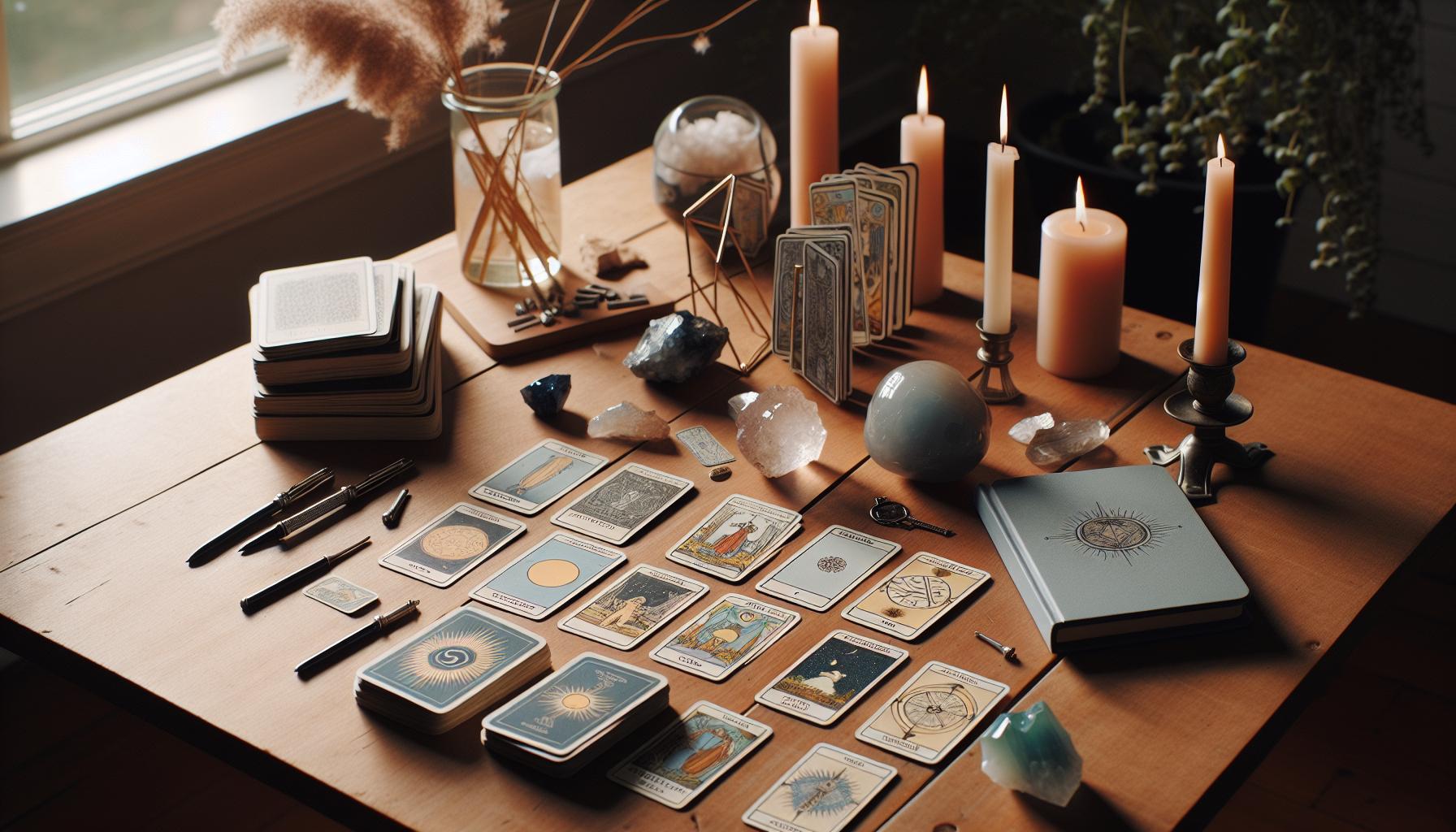
Key Tarot Cards and Their Meanings
Understanding the key cards in a Tarot deck is essential for navigating your intuitive reading journey. Each card offers a wealth of symbolism and insight that can illuminate various aspects of life, from personal relationships to career challenges. While there are 78 cards in total, focusing initially on a few well-known ones can greatly enhance your confidence and comprehension.
Major Arcana Cards
The Major Arcana consists of 22 cards representing critical themes and life lessons. Some of the most significant ones include:
- The Fool: Symbolizing beginnings, this card encourages you to embrace spontaneity and adventure. It invites you to take leaps of faith and trust the journey ahead.
- The Magician: This card highlights manifestation and resourcefulness. The Magician reminds you that you have the tools and skills necessary to create your reality.
- The High Priestess: A symbol of intuition and inner voice, she represents the need to trust your instincts and connect with your subconscious.
- The Wheel of Fortune: This card signifies change and cycles, suggesting that life is a constant ebb and flow of ups and downs, urging acceptance of the journey.
- The World: Representing completion and achievement, The World encourages reflection on what you’ve learned and the fulfillment of your goals.
Minor Arcana Cards
The Minor Arcana consists of four suits, each representing different facets of daily life. Here are key cards from each suit:
Cups
- Two of Cups: This card speaks to partnerships, indicating mutual love and respect.
- Eight of Cups: A sign of emotional withdrawal, inviting you to let go of what no longer serves you.
Pentacles
- Ace of Pentacles: Symbolizing new beginnings in finances or career, it’s a card of prosperity and opportunity.
- Five of Pentacles: Often representing financial struggle, it serves as a reminder to seek support in difficult times.
Swords
- Three of Swords: This card, associated with heartbreak and conflict, encourages healing and understanding pain.
- Queen of Swords: Celebrated for her intellect, she represents clarity, independence, and the power of honest communication.
Wands
- Three of Wands: A card of exploration, it signifies growth and expansion in your personal and professional life.
- Nine of Wands: Known for resilience and perseverance, this card reassures you that strength will see you through challenges.
Understanding these key cards provides a solid foundation for interpreting Tarot readings. As you grow comfortable with their meanings, you can begin to explore more complex interpretations and how they relate to each other in spreads. Remember, your intuition plays a critical role; allow it to guide your interpretations and insights as you work with the cards. Each reading offers a unique opportunity to connect with your deeper self and explore the paths before you.
How to Choose Your First Tarot Deck
Choosing your first Tarot deck can be an exciting yet daunting experience. With countless options available, finding the right one that resonates with you is key. A Tarot deck is not just a set of cards; it’s a tool for self-discovery and insight, and your connection to it can enhance your readings. Here are some thoughtful steps to guide you through this process.
Start by considering the artwork and theme of the deck. Each deck has its unique interpretation of the cards, often reflecting different cultures or philosophies. If you’re drawn to whimsical art, you might enjoy a deck like the Animal Totem Tarot. If you prefer something more traditional, the Rider-Waite Tarot deck is a classic choice, beloved for its rich symbolism and depth. Take your time to browse through images online or visit a metaphysical store to see the decks in person.
Next, think about the guidebook that accompanies the deck. A well-written guidebook can provide invaluable context and interpretations for beginners. Some decks come with insightful literature that includes not only card meanings but also suggested spreads and tips for intuitive readings. This guidance can bolster your confidence as you start your Tarot journey.
Consider the size and feel of the cards. A deck that feels comfortable in your hands can make a significant difference in your reading experience. If you have smaller hands, a larger deck may be cumbersome, while a mini deck might feel too delicate. Ensure that the card stock is good quality; you want a deck that can withstand shuffling and handling over time.
It can also be worthwhile to explore the community and reviews associated with different decks. Many Tarot enthusiasts share their experiences and insights on social media platforms. Engaging with the Tarot community can offer perspective on decks that may resonate with you, or even inspire you to choose a deck you might not have initially considered.
Ultimately, trust your intuition. The best deck for you is one that feels right, sparks joy, and inspires curiosity about the cards and your readings. With the right deck in hand, you are poised to embark on a rewarding journey of self-exploration and intuitive discovery. Remember, there are no wrong choices in Tarot-each deck provides a unique lens through which to explore the rich tapestry of life’s experiences.
Basic Tarot Spreads for Beginners
Whether you’re brand new to tarot or simply looking to refine your skills, selecting the right spread can significantly enhance your reading experience. A tarot spread is the layout of the cards and each position typically holds its own meaning, providing structure to the reading. For beginners, starting with simple spreads will build your confidence and understanding of the cards as insightful tools.
One of the most recommended spreads for novices is the Three-Card Spread. This layout is straightforward yet versatile, perfect for exploring past, present, and future influences. Here’s how to use it:
- Card One: Represents the past and the experiences that have led you to your current situation.
- Card Two: Refers to the present moment, highlighting energies and challenges you may be facing right now.
- Card Three: Looks to the future, suggesting potential outcomes or directions based on the current path.
When interpreting the cards, take your time to reflect on not just the standard meanings but also how they resonate with your intuition and circumstances.
Another beneficial spread for beginners is the Celtic Cross. Though it has more complexity, it’s a classic that offers in-depth insights into various aspects of a query. Here’s a simplified interpretation of this ten-card spread:
- Card 1: Your current situation.
- Card 2: Challenges you face.
- Card 3: The past influences affecting your situation.
- Card 4: Future possibilities.
- Card 5: Conscious influences.
- Card 6: Unconscious influences.
- Cards 7-10: Surrounding environment, hopes/fears, outcome.
By familiarizing yourself with these spreads, you’re not merely laying down cards; you’re weaving a narrative that connects the insights gained through the tarot with your life experience. As you practice, embrace the process and allow your understanding to expand organically. Keep a journal of your readings to spot recurring themes and enrich your connection with the cards. Always remember, tarot is as much about the questions you ask and the insights you gain as it is about the cards themselves. Enjoy the journey!
Step-by-Step Guide to Your First Reading
Embarking on your first tarot reading can feel both thrilling and daunting, but it’s also a rewarding journey into self-discovery and intuition. To ease you into the process, let’s break it down into manageable steps, ensuring you feel confident as you navigate the cards. Remember, this is about personal insight, so approach it with an open mind and heart.
Start by selecting a quiet space where you can focus without distractions. Create a calming atmosphere: light a candle, play soft music, or have a cup of tea. Ground yourself with a few deep breaths, allowing your mind to settle. This preparation sets the tone for your reading, aligning your energies with those of the tarot.
Once settled, it’s time to formulate your question. Begin with a clear intention or inquiry you wish to explore. This could range from a specific situation to a general inquiry about your life path. A well-framed question helps the cards provide meaningful insights. Consider asking open-ended questions rather than yes/no questions to invite deeper understanding.
Next, shuffle your tarot deck while focusing on your question. As you shuffle, reflect on what you hope to learn. There’s no “right” way to shuffle; find a method that feels natural to you. After shuffling, when you feel ready, draw the cards according to the spread you’ve chosen. For beginners, the Three-Card Spread is an excellent option, offering insights into your past, present, and future.
Interpreting the Cards
After laying out your cards, take a moment to observe your first impressions. What emotions or thoughts do they evoke? Look at each card’s imagery and symbolism. Consult your guidebook or online resources for meanings, but remember-your intuition is your most valuable tool. Here’s a simple approach to interpreting:
- Card One:
- Card Two:
- Card Three:
As you interpret the cards, weave them into a narrative that addresses your question. This doesn’t have to be linear; trust your instincts in how the cards connect. If a particular card stands out, delve deeper into its meaning, and consider how it relates to your inquiry.
Finally, document your reading in a journal. Note the cards drawn, your interpretations, and any emotions felt during the process. Journaling not only reinforces your learning but also helps track patterns over time, enriching future readings.
Embrace this journey with joy and curiosity. Every reading is a learning experience that enriches your understanding of both the cards and yourself. Tarot is a tool for personal insight, and its magic unfolds through your unique interpretations and experiences. Happy reading!
Common Misconceptions About Tarot
Many people approach tarot with a mix of curiosity and skepticism. Common misconceptions often cloud the true essence of tarot, leading to misunderstandings about its purpose and use. One of the most prevalent myths is that tarot is inherently linked to fortune-telling or predicting specific future events. In reality, tarot serves as a powerful tool for self-reflection and personal growth, providing insights into one’s feelings, experiences, and potential life paths. Rather than seeing tarot as a crystal ball, think of it as a mirror reflecting back your inner thoughts and situations.
Another misconception is that only certain individuals possess the “gift” to read cards effectively. This belief can deter beginners from exploring tarot for themselves. The truth is that anyone can learn to read tarot, regardless of their background or intuitive skills. As you practice, your understanding and interpretations will naturally evolve. Embrace your unique perspective; each person’s connection to the cards is different and adds rich layers to their reading experience.
Some also view tarot as a tool of divination rooted in negative or dark forces. However, this perspective often stems from cultural narratives that stigmatize tarot as occult or mystical in a sinister way. In fact, tarot can be integrated into a variety of spiritual practices as a means of empowerment and guidance. It is not a supernatural prediction mechanism, but a resource for enhancing your intuition and decision-making.
Finally, many newcomers feel overwhelmed by the vast array of tarot decks and interpretations available. It is important to remember that there is no “one right way” to engage with tarot. Choose a deck that resonates with you personally and start with the basics. Familiarizing yourself with a few key cards and simple spreads can be a gentle introduction to the practice. Tarot is about finding what works for you, so trust your instincts as you explore its depths. Remember, every reader, regardless of their journey, can contribute their unique insights, making it accessible and enriching for all.
The Intuitive Art of Tarot Reading
The beauty of tarot reading lies in its dance between intuition and interpretation. Each card is a doorway to a multitude of meanings, shaped by your unique experiences and emotional landscape. As a beginner, you’ll discover that forming a connection with the cards is less about memorizing definitions and more about tuning into your own insights and feelings. The process encourages you to be present, inviting a dialogue between you and the universe.
To cultivate your intuitive reading skills, start by creating a ritual that centers you. This could be as simple as taking a few deep breaths or lighting a candle before you begin. Consider the question at hand-clarity around your intention sets the stage for a meaningful reading. As you shuffle the deck, pay attention to any emotions or thoughts that arise; they can provide valuable context for your interpretations.
When interpreting the cards, don’t hesitate to let your instincts guide you. For example, if you draw the Two of Cups, while the traditional meaning is about partnership and connection, what feelings does this card evoke in you? Perhaps it reminds you of a nurturing relationship in your life or a time when you felt truly aligned with someone. Trust your inner voice; it whispers the truths that resonate with your personal narrative.
As you advance in your practice, explore different tarot spreads to reflect on various aspects of your life. A simple three-card spread can provide insights into your past, present, and future. Here’s how to set it up:
- Card 1: Represents your past and the influences that shape your situation.
- Card 2: Reflects your current situation, emotions, or challenges.
- Card 3: Offers guidance or potential outcomes based on your current path.
Remember, tarot is a personal journey. Every reading enriches your understanding and deepens your connection with the world around you. Embrace the fluid nature of interpretation, and allow each session to unfold organically. The more you practice, the more confident you will become in your ability to read for yourself and others, transforming tarot into a powerful tool for self-discovery and empowerment.
Enhancing Your Tarot Skills: Tips and Techniques
To deepen your connection to Tarot and enhance your skills, it’s essential to embrace both practice and exploration. Think of Tarot as a living, breathing art form that evolves with you. Begin with the understanding that each reading is not just an exercise in card meanings but a conversation with your inner self and the universe around you. An effective way to strengthen this dialogue is to keep a Tarot journal. Document your readings, thoughts, and feelings associated with each card drawn. Over time, this will create a personalized reference that reflects your evolving intuition and insights.
Developing Intuition
To truly unlock the potential of Tarot, focus on cultivating your intuition. Develop a daily practice of pulling a card each morning, reflecting on its imagery, and jotting down any immediate feelings or thoughts it evokes. Amidst the vibrant artwork of the cards, your subconscious will guide you to personal associations that traditional meanings might not fully capture. This can help demystify the process and enable you to interpret the cards through your lens, making each reading richer and more meaningful.
Experimenting with Different Spreads
As you grow more comfortable with individual card meanings, begin to experiment with various Tarot spreads beyond the basic three-card layout. Each spread serves a distinct purpose and can provide deeper insights into specific areas of your life. For instance, the Celtic Cross offers a more complex analysis by examining various aspects of a question, while a simple one-card spread is excellent for quick guidance. Using diverse spreads will not only expand your reading repertoire but also give you the chance to see fresh perspectives on recurring themes in your life.
Connecting with Your Deck
Building a relationship with your Tarot deck can significantly enhance your reading experience. Spend time meditating on each card, exploring its symbolism and nuances. You might even consider cleansing your deck regularly by smudging it with sage or moonlight, setting the intention that it serves your highest good. When you feel personally connected to your cards, your readings will resonate more profoundly, and you’ll find your intuition flows more freely during sessions.
Joining a Community
Engaging with others who share your interest in Tarot can provide support and inspiration. Whether it’s through online forums, local meetups, or workshops, exchanging experiences and insights with fellow Tarot enthusiasts can significantly enrich your understanding. Consider participating in group readings or peer exchanges where you can give and receive feedback, allowing for personal growth and new ideas.
Incorporating these practices into your Tarot journey not only enhances your skills but also deepens your appreciation for this powerful tool. Remember, Tarot is less about rigid interpretations and more about intuition, connection, and personal growth. By nurturing your abilities and remaining open to new experiences, you will transform Tarot into a lifelong companion in your spiritual and personal journey.
Integrating Tarot into Your Spiritual Practice
Incorporating Tarot into your spiritual practice can be a transformative experience, creating a powerful bridge between your inner self and the wider universe. Imagine using the cards not just as tools for divination, but as companions on your journey toward self-discovery and enlightenment. By engaging with Tarot regularly, you can uncover deeper spiritual insights, enhancing your intuitive capabilities and fostering a greater understanding of your life’s path.
The first step in integrating Tarot into your spiritual routine is to establish a consistent practice. Consider dedicating a specific time each day or week to reflect on your cards. You might start with a simple ritual: light a candle, take a few deep breaths, and feel the presence of your deck. Pull a card and let its imagery inspire a meditation or journaling session. What does the card evoke within you? What story does it tell based on your current life situation? This connection can lead to profound revelations and clarity about your experiences.
Creating a Sacred Space
Design a tranquil environment for your Tarot practice. This space should feel safe and inviting, encouraging you to delve deeper into your spiritual exploration. Gather meaningful items-crystals, feathers, or meaningful photographs-around your Tarot setup to enhance the energy of your practice. Each reading can then transform into a sacred ritual, amplifying your intention to connect with your spiritual path.
- Light a candle: Symbolizes illumination and intention.
- Use crystals: Promote positive energy; amethyst and clear quartz are popular choices.
- Keep your Tarot journal: Document thoughts and insights through your readings.
Daily Card Pulls and Reflection
Incorporating daily card pulls can serve as a thoughtful anchor for your day. When you draw a card in the morning, take a moment to reflect on its significance. Ask yourself how this card’s message can inform your actions and decisions throughout the day. For example, drawing The High Priestess might encourage you to trust your intuition in a decision at work or in your relationships.
The reflective nature of Tarot helps you identify patterns and themes in your life. Over time, noticing recurring symbols or messages can illuminate areas where you might need to focus your energy or make changes, deepening your spiritual understanding.
Connecting with Your Higher Self
Engage in dialogues with your cards to connect with your higher self. Ask open-ended questions that inspire deeper insight, such as “What lesson do I need to learn right now?” or “How can I align more closely with my true purpose?” Allow the answers to unfold during your readings, trusting your intuition and the wisdom that comes through the imagery and symbolism of the cards.
As you practice these techniques, you will find that Tarot not only enriches your spiritual practice but also serves as a tool for personal growth. It can help you navigate challenges with a clearer perspective, enhance your decision-making process, and foster a deeper connection with your spiritual journey. Remember, Tarot is an accessible tool for everyone, whether you are a seasoned practitioner or just starting your exploration. With openness and patience, you can transform your Tarot practice into a meaningful part of your spiritual path.
Resources for Further Exploration of Tarot
Whether you’re just starting your Tarot journey or looking to deepen your understanding, the wealth of resources available can enhance your experience and intuition. Books, online communities, workshops, and blogs offer a rich tapestry of knowledge to explore, and can help you connect more meaningfully with the cards. Each resource can serve a unique purpose, guiding you through your initial readings and supporting your growth as you develop your practice.
Books to Consider
Books are invaluable for both beginners and seasoned readers. A few key titles include:
- The Ultimate Guide to Tarot: This comprehensive guide covers card meanings, spreads, and tips for effective readings.
- Seventy-Eight Degrees of Wisdom: An insightful exploration of the Tarot’s symbolism and practical usage, written by renowned Tarot expert Rachel Pollack.
- Tarot for Your Self: A guide that combines personal art and self-discovery exercises with Tarot readings.
These books not only provide foundational knowledge but also encourage personal interpretation, emphasizing the unique relationship you can cultivate with the cards.
Online Communities and Forums
Engaging with online communities can significantly enhance your learning curve. Websites like Reddit’s r/Tarot and Tarot forums offer spaces for discussions, questions, and shared readings. Here, you can:
- Share your experiences and receive feedback from fellow enthusiasts.
- Ask questions about symbols, spreads, and card meanings.
- Participate in group readings or challenges to practice your skills.
These interactions foster a sense of belonging and encourage you to embrace your intuition without fear of judgment.
Workshops and Online Courses
Consider attending workshops or enrolling in online courses for a structured learning experience. Platforms like Skillshare and Udemy offer various classes ranging from beginner to advanced levels. They can help you:
- Deepen your understanding of interpretations and spreads.
- Learn from experienced readers who provide practical demonstrations.
- Explore various Tarot traditions and styles.
Hands-on practice in a supportive environment can enhance your confidence and skill.
Blogs and YouTube Channels
Numerous blogs and YouTube channels can provide ongoing inspiration and insights into Tarot readings. Look for content that resonates with you, such as:
- Daily or weekly card pulls that explore the meanings of specific cards.
- In-depth tutorials on specific spreads and their applications.
- Discussions about Tarot in relation to current events or personal development.
Following these resources will keep your practice fresh and meaningful.
Exploring these diverse offerings can be a delightful journey into the world of Tarot. By immersing yourself in literature, communities, workshops, and multimedia content, you’ll build a robust foundation and enhance your intuitive skills. Remember, Tarot is a personal exploration-trust your instincts, stay curious, and allow the cards to reveal their wisdom to you.
Q&A
Q: What are tarot cards used for?
A: Tarot cards are primarily used for divination and self-reflection. They can help individuals gain insights into personal situations, understand emotional challenges, or explore spiritual paths. Each card has unique meanings, revealing different aspects of the querent’s life.
Q: How do I read tarot cards as a beginner?
A: To begin reading tarot cards, start by familiarizing yourself with the deck. Understand the meanings of the cards and practice simple spreads, like the Three-Card Spread. Take your time to interpret cards intuitively and keep a journal for your readings to track patterns and insights.
Q: Can anyone learn to read tarot cards?
A: Yes, anyone can learn to read tarot cards! It requires practice, patience, and an open mind. Start by choosing a deck that resonates with you and explore resources, like books and online tutorials, to build your skills over time.
Q: What should I do before a tarot reading?
A: Before a tarot reading, it’s essential to create a calm environment. Clear your mind, set an intention for your reading, and, if you prefer, perform a small ritual such as lighting a candle or meditating. This helps focus your energy and enhances the reading experience.
Q: How do tarot spreads work?
A: Tarot spreads are specific layouts of cards used to explore questions or themes. Each position in a spread represents different aspects of the situation or timeline. Start with straightforward spreads, like the Past-Present-Future spread, to understand how the cards interact.
Q: What are the major arcana and minor arcana in tarot?
A: The tarot deck is divided into Major Arcana and Minor Arcana. The Major Arcana (22 cards) represents significant life lessons and spiritual themes, while the Minor Arcana (56 cards) focuses on daily events and challenges. Understanding both sections is crucial for interpreting readings effectively.
Q: How can I interpret reversed tarot cards?
A: Reversed tarot cards often suggest blockages, challenges, or the opposite meaning of the upright position. To interpret them, focus on their potential implications, such as internal conflicts or lessons yet to be learned. Use them to provide deeper insight during readings.
Q: What is the best way to cleanse tarot cards?
A: Cleansing tarot cards maintains their energy and clarity. You can cleanse them by using sage, placing them under moonlight, or simply setting your intention. Regular cleansing helps restore your connection and ensures more accurate readings.
Wrapping Up
As you embark on your tarot journey, remember that these cards are not just tools but gateways to deeper self-understanding and intuition. With each shuffle and spread, you’re opening up to insights that can guide your path forward. Ready to dive deeper? Explore our 3-card tarot reading for immediate clarity on pressing questions, or check out our guide on daily tarot readings to enrich your practice. If you’re curious about cleansing your cards or choosing the right deck, our full Tarot resource page is just a click away.
Don’t let hesitation hold you back! Join our community of tarot enthusiasts-sign up for our newsletter for tips, exclusive readings, and more to enhance your skills. Whether you’re a skeptical seeker or a firm believer, tarot offers something for everyone. Share your experiences and questions in the comments below; we love hearing from you! Remember, every card drawn is a step towards empowerment-embrace the magic and wisdom that awaits you.
Get our latest guides, news, and insights highlighted in your Google Search & AI Overviews.