Have you ever wondered when your dreams will manifest or significant life events will unfold? Timing in tarot is a fascinating area that offers insight into the rhythms of life and the unfolding of your unique journey. By understanding how to interpret timing through tarot spreads, you can gain clarity on your intentions and navigate the waiting periods with confidence.
Whether you’re seeking answers about love, career, or personal growth, knowing “When Will It Happen” can empower you to prepare for the changes ahead. This approach not only helps in managing expectations but also enhances your intuition as you connect deeper with the cards. With the right techniques, you can unlock the potential of tarot to time your future-allowing you to transform uncertainty into excitement. Dive in, and embrace the magic of tarot as a tool for meaningful insights into your life’s timing!
Understanding Tarot’s Role in Timing Events
Understanding how tarot can provide insights into timing events can transform the way you approach your life’s questions. One common assumption is that tarot is primarily about emotional or spiritual guidance; however, it also holds valuable perspectives on the timing of future occurrences. This capability stems from the tarot’s rich symbolism and archetypal meanings that resonate with different phases, cycles, and seasons of life.
When you ask a question regarding timing, you are essentially tapping into the energetic flows present within the cards. Each card holds nuanced meanings that can help point towards a timeframe or predict when a situation may unfold. For instance, the Three of Wands often indicates that something is on the horizon-think of it as a sign that the groundwork is being laid and results are expected soon, typically within the next few months. Conversely, the Ten of Swords might suggest an ending that is immediate or urgent, highlighting situations that will reach resolution quickly.
To deepen your understanding of timing with tarot, it is helpful to integrate both intuition and structure. Pairing intuitive insights with established timing techniques allows for a comprehensive reading. Think of time as fluid rather than fixed; this perspective opens up to the natural ebb and flow highlighted by the tarot, where certain energies are conducive to specific outcomes. For instance, if you draw a major arcana card like The Wheel of Fortune, it speaks to cycles of growth and change, indicating that timing can be affected by external circumstances beyond our control.
By aligning your questions with the cards drawn, you will start to discern patterns and timelines more clearly. Trust in your ability to interpret these symbols and remember, the timing indicated in a reading might not always align with our desires but can reflect a greater harmony of the universe at play. Embrace the journey of learning to read not just the meanings of the cards, but their timing as well-it can be a profound exploration of how your life unfolds.
The Best Tarot Cards for Timing Questions
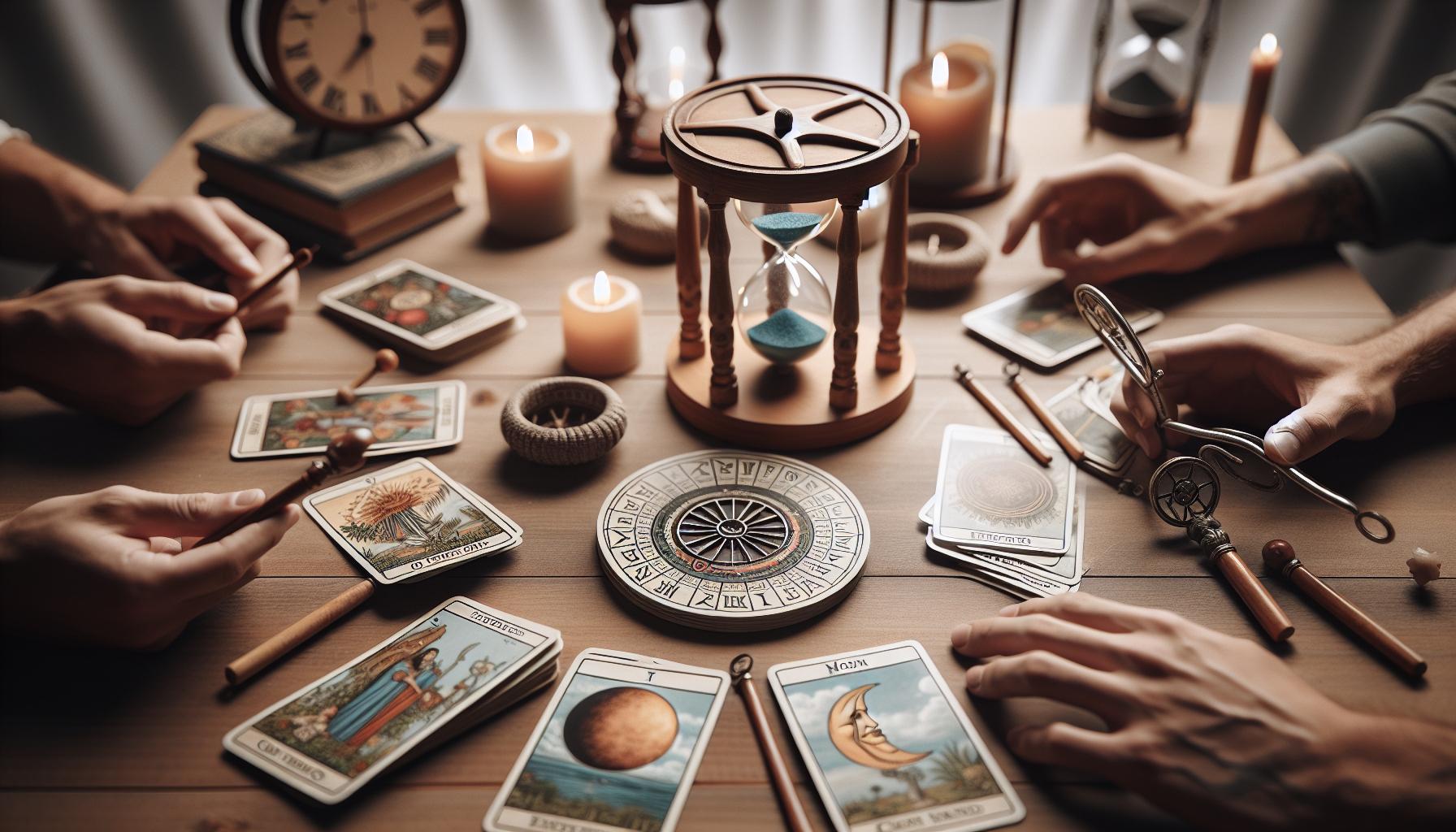
Understanding which tarot cards best indicate timing can elevate your reading practice. Certain cards are inherently more reflective of timeframes, cycles, or specific periods. By recognizing these cards, you can gain clarity on your inquiries about when events may unfold.
One significant card in this realm is the Wheel of Fortune. This major arcana card signifies cyclic changes and often suggests that events are influenced by larger forces. If drawn in a timing context, it may indicate that a pivotal event is approaching, influenced by external factors beyond your control, often within the next few months to a year.
Another card to consider is the Three of Wands. This card embodies anticipation and foresight, indicating that you may see results from your current efforts shortly, typically within a few months. It conveys a sense of waiting for the fruits of your labor to come to fruition, suggesting that what you seek is on the horizon.
When interpreting timing, the Ace of Pentacles deserves attention too. This card represents new beginnings in the material realm, pointing to opportunities or projects that may begin to materialize within a season, often linked to practical timing such as a change in seasons.
In contrast, the Ten of Swords serves as a stark reminder of imminent completions or endings. If this card appears in a timing question, it suggests that resolution is near, often immediately or in the very near term. It indicates that an ending must happen to pave the way for renewal and new growth.
Minor Arcana cards also provide rich insights into timing nuances. For example, the Two of Wands suggests planning and decisions are necessary, often implying that outcomes will unfold in the next few weeks to months. Similarly, the Page of Cups can signify a refreshing emotional development that may happen soon, prompting you to open your heart to new connections or experiences.
Using these cards as indicators in your readings can establish a framework for timing. Pair your readings with your intuitive understanding and the context of the inquiry to enhance accuracy. Remember, timing in tarot is often fluid and may vary based on the energy surrounding the question, so stay open and adaptable in your interpretations.
Interpreting Tarot Spreads for Future Predictions

Interpreting future predictions through tarot spreads is an engaging practice that invites you to explore the dimensions of time and potential outcomes. When you create a tarot spread focused on timing, you not only seek clarity about when events may unfold but also gain insights into the energies and circumstances surrounding those events. Understanding how to read these spreads can empower you to interpret the cards’ messages effectively.
A popular and effective spread for timing questions is the Three-Card Spread, where each card represents a different timeframe: past influences, present circumstances, and future outcomes. For example, consider a scenario where you draw The Lovers, The Chariot, and The Sun. The Lovers may signify a foundational relationship that influences your current decisions, represented by The Chariot, which suggests a significant stride forward. The Sun, representing joy and success, indicates an optimistic outcome likely coming within a few months to a year, depending on your actions and intentions.
To deepen your interpretation, pay attention to the individual meanings of the cards along with their positions in the spread. The Major Arcana, with its impactful symbolism, often highlights crucial influences and turning points. For instance, if a card like The Wheel of Fortune appears, it suggests that the timing may involve cycles or external factors beyond your control, prompting you to anticipate changes that will unfold in rhythm with these influences.
For a more complex analysis, you can use a Celtic Cross Spread, which provides a comprehensive overview that incorporates various factors, including challenges, subconscious influences, and hopes or fears related to timing. Each position can capture different facets of your inquiry, helping you understand how time interacts with your intentions. This multi-layered perspective can illuminate paths that may have been previously unseen, revealing not just when an event might happen, but the journey you will take to reach that point.
As you practice these spreads, it’s beneficial to maintain an intuitive approach. Engage with the energy of each card and listen to your inner guidance. Reflect on your initial impressions and allow them to guide you through the reading. Remember that timing in tarot is often fluid; external circumstances and personal choices can shift outcomes significantly. Thus, keeping an open heart and mind as you navigate your lessons from the cards can enrich your understanding and enhance your predictive accuracy.
How to Ask the Right Questions with Tarot
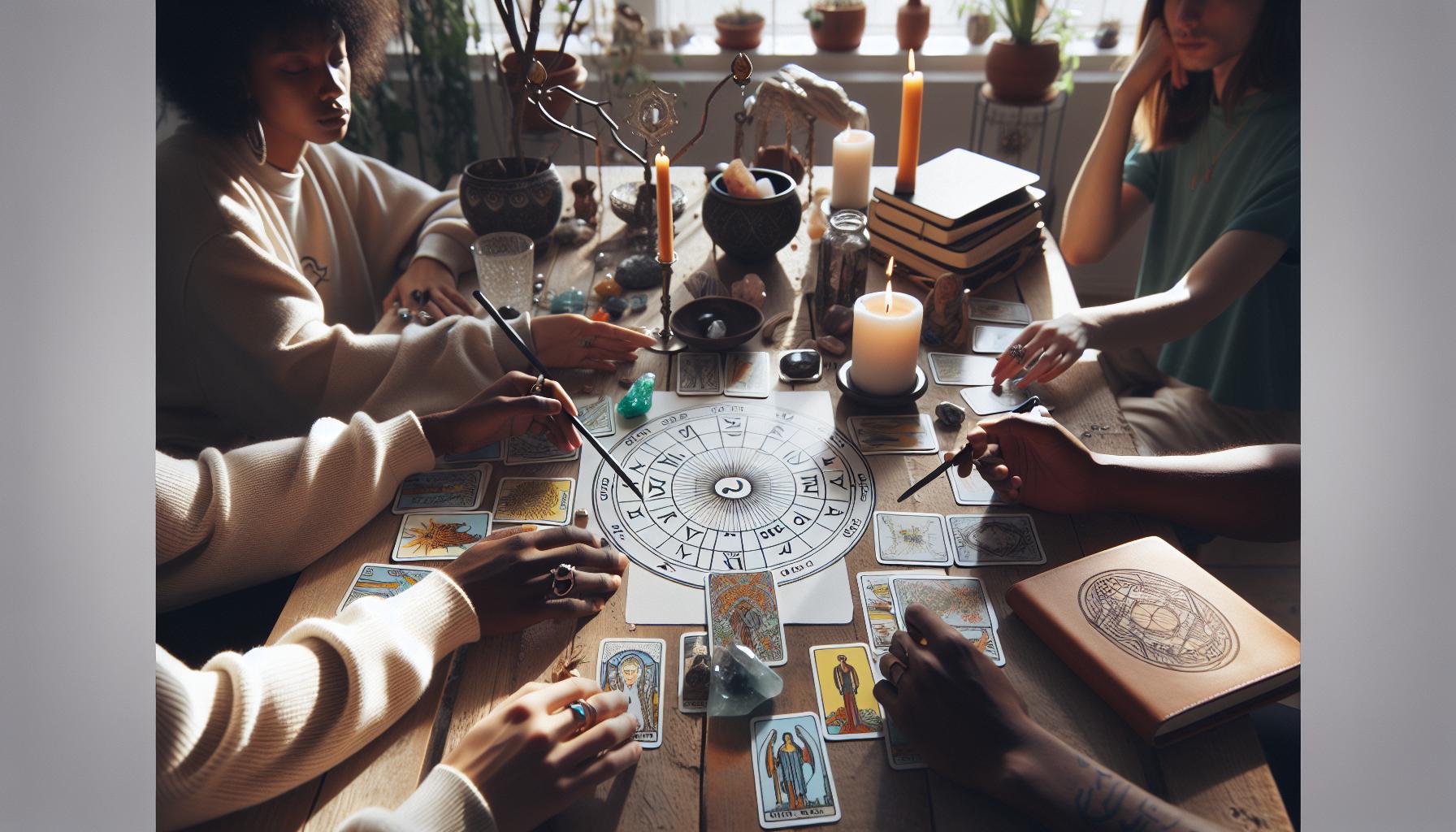
To unlock the profound insights that Tarot can offer about timing, it’s essential to ask the right questions. This foundational step can significantly enhance the clarity and relevance of your readings. Instead of simply inquiring, “When will this happen?” consider expanding your questions to explore the circumstances surrounding the event, the energies at play, and how your own actions could influence the outcome.
One approach is to use open-ended inquiries to delve deeper. For example, instead of asking, “Will I get a promotion next month?” you might frame your question as, “What energies do I need to align with to facilitate my chance of promotion?” This not only allows the cards to provide information about timing but also empowers you to understand the actions or changes needed on your part.
Crafting effective timing questions often involves tying your inquiry to specific Tarot traditions. Utilizing the structure of a three-card spread can help track timing nuances more effectively. For instance, you might ask, “What influences from the past impact my current situation, and how will these manifest in the next three months?” Each card drawn can signify a timeline or emotional phase, letting you interpret when an outcome might most likely occur versus when it might be more ambiguous.
Lastly, consider the emotional and spiritual aspects of your question. Emotional clarity can significantly affect timing in Tarot. Asking questions like, “How can I remain open to opportunities that may present themselves within the next month?” can lead to insights that guide your actions toward an anticipated event. Be receptive to the answers the cards provide, as they often serve to initiate deeper personal reflections and encourage personal growth alongside the inquiry about timing. Engaging fully with your questions can cultivate a richer understanding of both the timing of events and your personal journey within them.
The Influence of Major Arcana on Timing
The Major Arcana, comprising 22 key cards, plays a significant role in Tarot, particularly when it comes to understanding the timing of events in your life. Unlike the Minor Arcana, which deals with daily aspects and practicalities, the Major Arcana addresses deeper, transformative experiences and pivotal moments. These cards often signify events that are fated or have significant impact, making them essential for timing questions.
Each Major Arcana card carries its own unique timing signature, reflecting the energies and lessons it embodies. For instance, The Fool symbolizes new beginnings and spontaneity, indicating that a fresh opportunity may emerge sooner than expected. In contrast, The Hanged Man suggests a period of waiting and contemplation- a reminder that sometimes timing is not just about action but also about patience and gaining new perspectives.
When interpreting Major Arcana cards in timing spreads, it is helpful to consider their numerological significance. Cards like The Wheel of Fortune often represent cycles and life changes, suggesting that timing can be tied to external factors and the natural flow of life. Similarly, The World, which denotes completion and fulfillment, can indicate a culmination of efforts, signaling a timeframe when goals will be achieved or cycles will close.
To effectively integrate Major Arcana into your timing readings, focus on the contexts of your questions. For example, if you draw The Lovers in relation to a relationship, it may suggest that significant developments are on the horizon, aligning with key astrological or seasonal events. Always remain open to the way these powerful cards might reflect the broader themes at play in your life, as their messages can resonate with your personal journey and reveal the timing of transformative moments ahead.
By acknowledging the depth that the Major Arcana brings to your timing inquiries, you can enhance your understanding of not just when events will unfold, but also how to navigate the transformative currents that accompany them.
Minor Arcana and Their Timing Meanings
Understanding how the Minor Arcana influences timing can significantly enhance your Tarot readings. Unlike the Major Arcana, which speaks to major life lessons and transformations, the Minor Arcana focuses on daily events and specific details, making them essential for understanding the timing of more immediate situations.
Each suit in the Minor Arcana-Cups, Wands, Swords, and Pentacles-brings its own nuances to timing interpretations. For example:
Cups
Cards from the Cups suit are often associated with emotions, relationships, and personal connections. Timing with Cups may indicate that events related to feelings or relationships could unfold within weeks or months. For instance, drawing the Ace of Cups suggests a new relationship or opportunity for emotional growth could arise soon, likely within the next few weeks. Conversely, the Three of Cups indicates a gathering or reunion, suggesting that celebrations and friendships will bloom in the near term, often aligning with social seasons or festivals.
Wands
The Wands are connected to action, motivation, and creativity, suggesting quicker outcomes. If you draw cards like the Eight of Wands, this signals sudden change or quick progress in your endeavors, often happening rapidly within days. However, a card like the Seven of Wands highlights the need for perseverance and determination; it may advise you that while victory is possible, it will require sustained effort over a longer time frame, potentially spanning several months.
Swords
Swords deal with thoughts, challenges, and conflicts. Timing can be more variable with this suit, often hinging on mental clarity and communication. For example, the Page of Swords might indicate that new ideas and perspectives will emerge soon, but these may lead to conflicts or debates that unfold within a month. Conversely, the Ten of Swords typically represents endings; thus, it may suggest that a certain phase in your life will conclude, but only after a prolonged struggle, often taking many months to fully resolve.
Pentacles
The Pentacles relate to material aspects, work, and long-term goals. These cards infuse your readings with a sense of practicality regarding timing. Drawing a card like the Two of Pentacles might suggest a time frame of juggling priorities, hinting that balance will be needed over several weeks to months. In contrast, the Ten of Pentacles heralds stability and legacy, indicating that significant achievements in your financial or career-related questions may evolve over a longer period, possibly one to three years.
Utilizing the characteristics of the Minor Arcana can enrich your timing inquiries, providing specific cues about when events are likely to unfold. Pay attention to astrological influences and seasonal changes that may enhance the interpretations of these cards; for example, a card representing new beginnings might align with the spring season when growth is potential. Always remember that your intuition, combined with the meanings of the Minor Arcana, can yield powerful insights into the timing of events in your life.
Astrology’s Role in Tarot Timing Interpretations
Astrology and Tarot intertwine beautifully, particularly when it comes to understanding the timing of events. Many Tarot practitioners look to astrology as a guiding framework, enriching the interpretation of their readings. Each Tarot card carries not only its inherent meaning but also astrological correspondences that can suggest when something might happen. For example, major planets and signs linked with certain cards can provide clarity on timelines.
Incorporating astrological timing into your Tarot practice can be as straightforward as considering the element of the sign associated with each card. For instance, when working with the Cups, linked to Water signs (Cancer, Scorpio, Pisces), the timing might gravitate toward emotional matters unfolding in the more fluid, changing phases of the Moon. Therefore, a reading involving Cups could suggest that events will resonate with the waxing or waning of the Moon, suggesting a timeline of days to weeks.
Example of Tarot and Astrology Integration:
If you draw the Three of Cups, which symbolizes celebration and friendship, think about astrological aspects associated with group dynamics and emotions. Drawing this card during a waxing Moon might indicate upcoming social events or reunions in the near future. In contrast, if the Death card appears-linked to Scorpio, a sign that embodies transformation-you might interpret a more profound change possibly unfolding over several months, marking a significant shift or ending that aligns with the astrological cycles corresponding to Pluto.
Moreover, certain Tarot spreads can benefit from astrological insights. A popular example is the astrological houses spread, where each house corresponds to different life areas and can be influenced by the cards that land in them, alongside their astrological signs. This tailored approach allows you to assess periods that align best with the energies of the planets at play, providing a richer understanding of potential outcomes.
To apply astrological influences effectively in your Tarot readings, keep a Moon phase calendar handy. Observe how different cards resonate with the lunar cycles and astrological events. This practice not only enhances your understanding of timing but also builds your intuitive skills, allowing you to interpret how celestial movements may affect your life and others. With this knowledge, you can view your Tarot readings through a dual lens of celestial guidance and symbolic imagery, empowering you to navigate your life’s timeline with confidence and clarity.
Common Tarot Timing Techniques to Try
To unlock the magic of timing in Tarot, you can explore various techniques that bridge your intuitive insights with structured methods. Each approach offers unique perspectives, enabling you to identify when events might unfold with greater clarity. Here are some practical techniques to enhance your Tarot readings:
- Use Timing Cards: Designate specific cards in your deck as “timing cards.” For instance, the Wheel of Fortune may indicate cycles that repeat approximately every three months, while the Three of Wands might point to a timeframe of three weeks. When you draw these cards, use their meanings to estimate when an event may occur.
- Numerology in Tarot: Each Tarot card is associated with a number that can reveal timing. For instance, the Eight of Pentacles suggests a timeframe of eight days or weeks. Pay attention to the suit and its relevance; for example, Wands often point to quicker timelines compared to the slower-paced Pentacles.
- Seasonal Timing: Align your readings with the seasons, which resonate with the cycles of life. For example, cards from the Wands suit often hint at Spring (new beginnings), while Swords may indicate Winter (reflection and conclusion). Consider the season in which you are reading to help guide your interpretation of timing.
- Lunar Phases: Many Tarot practitioners use the lunar cycle to inform timing. Certain cards may resonate more strongly with specific moon phases. For instance, drawing a card during the Full Moon might signify peak energy and outcomes, while the New Moon could symbolize the start of new ventures. Keep a lunar calendar to see how your readings correlate with these cycles.
Experimenting with these techniques can deepen your understanding of timing in your Tarot readings. Start small, integrating one or two methods until you feel comfortable. With practice, your confidence will grow, allowing you to intuitively predict how and when events may unfold in your life or the lives of others. Remember, the goal is to foster a personal connection with Tarot, where its symbols and stories flow seamlessly into your experience, guiding you through the tapestry of time.
Enhancing Your Intuition with Timing Tarot
To tap into your intuitive powers of timing with Tarot, it’s essential to cultivate a deeper connection to both the cards and your own inner voice. Engaging with the Tarot can reveal not just what may occur in the future but also when these significant events might unfold. The process begins with establishing a mindful practice of observation and reflection during your readings.
Start by immersing yourself in each card’s imagery and symbolism. Take time to explore how specific cards represent time; for example, the Page of Wands often signifies the start of a new phase, inviting fresh energy and ideas, while the Ten of Pentacles may indicate long-term stability and growth. Keeping a journal of your readings can help clarify connections over time. Note down the cards drawn, your thoughts on them, and how they relate to any timing questions you had in mind. Over time, patterns will emerge that strengthen your intuitive understanding.
Another valuable technique is to cultivate an awareness of your emotional responses during readings. Pay attention to your feelings when you draw a card-do certain cards evoke excitement, anxiety, or calmness? Your emotional state can be a powerful indicator of timing. For example, a sense of urgency accompanying the Eight of Wands might suggest that something is on the brink of happening soon, while the serene vibe of the Four of Swords could point to a period of rest before action.
Lastly, engage with the energy of external factors such as the moon phases or seasonal changes, which often influence the timing of events. For instance, if you conduct your readings during a Full Moon, you may notice an amplification of energy, potentially signaling a time when events could come to a head. By combining card meanings with these outer cycles, you enhance your ability to anticipate when things might manifest, creating an encompassing framework for your intuitive insights.
Incorporating these practices into your Tarot routine not only strengthens your timing ability but also connects you more profoundly to the principles that guide the flow of time and events in your life. With each reading, allow yourself to explore, question, and, most importantly, trust your intuition. This journey is about building a relationship with the cards that resonates with your personal experience, making the art of timing in Tarot a truly rewarding endeavor.
Real-Life Examples of Timing Readings
In the realm of Tarot, deciphering the timing of events can be both intriguing and empowering. can illuminate how Tarot works in practice, helping individuals gain clarity about their futures. Let’s explore some relatable scenarios where Tarot has provided insight into when significant changes might occur.
Many Tarot practitioners begin by focusing on specific questions to receive relevant guidance. Consider a situation where someone draws cards inquiring about a job opportunity. Upon laying out the spread, the presence of the Three of Wands might suggest that the individual is on the verge of new horizons, potentially within three months. Conversely, the Knight of Swords could indicate swift developments, hinting that changes might unfold shockingly fast, possibly within weeks. Keeping track of the timeframes associated with each card can gradually enhance one’s intuition about when events are likely to happen.
Another powerful example involves relationships. A client seeking to understand when a romantic relationship might blossom might draw the Two of Cups, symbolizing partnership and mutual attraction. If this card appears alongside the Page of Cups, it might suggest that such developments could manifest within the following month, with the youthful energy of the Page indicating freshness and newness in emotions. Documenting these readings can reveal patterns over time, helping the reader connect specific cards with timing dynamics in their relationships.
In a more personal introspective reading, someone might reach for the cards to assess their personal development journey. If they draw the Hermit in conjunction with the Four of Swords, it could imply a time for reflection and inner work, likely spanning several months. This reading highlights the need for patience and self-care before making any significant moves, teaching that sometimes the timing indicates periods of rest or introspection as necessary steps before action.
By reflecting on these examples and journaling insights from their readings, Tarot users can cultivate a deeper understanding of how to interpret timing. Over time, noticing the recurring themes associated with specific cards can foster a more instinctive grasp of how the flow of time interacts with personal paths and decisions. Engaging with these practices not only demystifies the art of timing in Tarot but also empowers readers to use their cards confidently as trustworthy guides in navigating life’s cycles.
Tips for Practicing Timing with Tarot
Practicing timing with Tarot can feel like stepping into a vast sea of possibilities, but with a little guidance, you can develop a solid grasp of how to harness its insights effectively. One fundamental tip is to embrace your intuition. Start each reading by taking a moment to relax and center yourself. This connection can reveal deeper meanings and timing nuances that a simple card meaning may not convey. Each reader has a unique bond with the cards, allowing personal interpretations to flow naturally, especially when it concerns timing.
Another useful approach is to establish clear intentions and questions. Before laying out your cards, think deeply about what you want to know about timeframes. Questions like “When will I receive a job offer?” or “What can I expect in my relationship within the next few months?” direct the energy of the reading and make the messages clearer. This focus can lead to more accurate interpretations related to timing. After drawing your cards, consider creating a small log of timing-related insights. Documenting each reading can help you analyze patterns and correlations over time, making your understanding of timing with Tarot progressively more refined.
Engaging with specific cards known for their timing meanings is also essential. For example, the Wheel of Fortune often signifies cycles and can indicate pivotal moments that arise throughout the year. Similarly, cards like the Three of Wands hint at changes within three months, while the Knight of Swords signals quick developments. Comprehending these associations provides a foundational vocabulary for interpreting the cards as you explore timing. Try pairing cards together in a spread, noting how their meanings might interact to form a fuller picture of timing around events in your life.
Lastly, remember that timing in Tarot can often reflect broader themes appearing in your life rather than fixed predictions. Maintaining an open mind about how and when things might unfold allows for greater flexibility in your expectations. Life is filled with unexpected twists, and Tarot serves as a guide, illuminating possibilities rather than rigid timelines. By taking these steps, you can cultivate a richer, more insightful practice, enhancing your connection to the cards and their ability to navigate timing in your life.
Navigating Doubts: Overcoming Timing Challenges in Tarot
There’s an intriguing paradox that many Tarot readers face: while the cards can offer profound insights into timing, they may also evoke feelings of uncertainty and doubt. This often stems from our human desire for precision in an inherently fluid universe. When engaging with Tarot for timing, it’s essential to not only focus on the event itself but to also embrace the journey of interpretation and the insight it brings.
One effective method to overcome doubts is to reinforce your connection with the cards through practice. Regularly working with timing spreads, such as a simple three-card layout where you ask, “What influences my timing?” can reveal underlying themes. The layout allows you to see not just the answer to your question but also the subtle nuances that the cards bring to the surface. For example, if the Three of Wands appears, it may indicate that your situation is developing and can manifest within the next three months, encouraging patience and proactive planning. Over time, as you familiarize yourself with the personalities and rhythms of the cards, you’ll become more confident in your interpretations.
Another way to navigate timing doubts is to embrace a mindset of flexibility. Just as seasons change, so do circumstances in our lives. If you pull the Wheel of Fortune, acknowledge that this card represents cycles and fate, which might mean that certain events are beyond your immediate control. Instead of fixating on a strict timeline, accept that the universe may have a rhythm of its own. Trust that the cards are guiding you toward significant moments, even if they don’t happen precisely when you expect.
Lastly, consider the direct questions you ask the Tarot. Crafting queries that allow for broader interpretations can often yield richer insights. Instead of asking, “When will I get that promotion?” you could ask, “What can I do to prepare for my career advancement?” This approach helps you focus on actionable steps while still considering the timing of events. Overcoming doubt requires both trust-trust in the process-and practice. The more you engage with your Tarot practice in a thoughtful, open-ended way, the more you’ll find clarity and confidence in your readings on timing. Remember, the uncertainty is not a barrier; it’s a part of the enlightening journey of Tarot, where each card pulls back the veil on the future, guiding your path forward.
FAQ
Q: How can I ask Tarot about timing?
A: To ask Tarot about timing, frame your question clearly by specifying the event and timeframe. For example, “When will I find a new job?” This helps focus your reading. Use spreads designed for timing, such as three-card spreads, to enhance insight into your question. For more on asking the right questions, check out our article section on How to Ask the Right Questions with Tarot.
Q: What are the best Tarot spreads for timing predictions?
A: The best Tarot spreads for timing predictions include the Three-Card Spread, the Celtic Cross, and the One-Card Draw. Each spread offers different perspectives, with the Three-Card Spread providing clarity on past, present, and future influences. Explore our section on Interpreting Tarot Spreads for Future Predictions for detailed guidance.
Q: Can I use Tarot for specific dates?
A: Yes, you can use Tarot to gain insights into specific dates. Certain cards correlate with timeframes; for example, the Three of Wands can indicate three months. To hone your timing skills further, examine techniques in our section on Common Tarot Timing Techniques to Try.
Q: Are there Tarot cards that indicate timing?
A: Indeed, several Tarot cards are associated with timing. For instance, The Wheel of Fortune often points to cycles and change, while The Sun suggests positive outcomes within a year. Refer to our section on The Best Tarot Cards for Timing Questions for an in-depth look at this topic.
Q: How does astrology influence Tarot timing?
A: Astrology plays a significant role in Tarot timing, as planetary alignments can enhance the interpretation of Tarot cards. For precise timings linked to astrological events, explore how the phases of the moon affect your readings in our Astrology’s Role in Tarot Timing Interpretations section.
Q: What if I doubt my timing Tarot readings?
A: Doubts are common in Tarot readings. To overcome them, practice self-compassion and trust your intuition. It helps to keep a journal of past readings and their outcomes, strengthening your confidence. For more tips, see our Navigating Doubts: Overcoming Timing Challenges in Tarot section.
Q: How can I enhance my intuition for timing readings?
A: Enhancing your intuition for timing readings involves meditation, regular practice, and connecting with your inner guidance. Consider daily card pulls focusing on time-related inquiries. Our section on Enhancing Your Intuition with Timing Tarot offers further strategies to develop your skills.
Q: Can I predict timeframes with Tarot for love inquiries?
A: Yes, you can predict timeframes for love inquiries using Tarot. Cards like The Lovers indicate significant choices and relationships, while cards like The Two of Cups suggest partnership developments. Delve into timing for love in our article on the 3-Card Tarot Love Reading.
Future Outlook
As you continue on your journey to uncover when events will unfold in your life, remember that Tarot isn’t just about answers-it’s a powerful tool for self-reflection and empowerment. Whether you’re a beginner looking to explore the basics or an experienced reader diving deeper into advanced techniques, you have the ability to unlock the insights of the cards. Don’t hesitate to revisit your readings to extract further meaning and clarity. For a daily boost of guidance, check out our free Daily Tarot Reading and enrich your understanding of this mystical art.
If you’re eager to enhance your skills, consider exploring more on Tarot Card Definitions to grasp the meanings behind each card. Remember, the universe is speaking to you-trust your intuition and take action today! Share your thoughts below, and let’s foster a community of seekers together. Embrace the magic, and may your path be illuminated with each draw.
Get our latest guides, news, and insights highlighted in your Google Search & AI Overviews.