Have you ever felt at a crossroads, unsure of which path to take? You’re not alone. Tarot readings provide a powerful tool to navigate life’s uncertainties by tapping into your intuition and the wisdom of the cards. At their core, tarot readings are about gaining insight, clarity, and direction.
In this article, we’ll explore what a tarot reading is, how it works, and what you can expect from the experience. Whether you’re a curious beginner or someone searching for deeper understanding, tarot can help illuminate the way forward. With a mix of ancient symbolism and modern interpretation, tarot serves as a bridge between your questions and the answers that lie within you. As we delve deeper, you’ll discover how these mystical cards can empower you, guiding you to make informed choices that resonate with your true self. So, let’s embark on this journey together and unlock the transformative potential of tarot!
What Is Tarot and Its Origins?
Did you know that tarot cards have a rich history that dates back to the 15th century? Originating in Europe, tarot was initially created as a card game called tarocchi, played by nobility in Italy. The game’s mystique grew over time, evolving from a simple pastime into a tool for divination and introspection. By the 18th century, tarot began to be associated with the occult, particularly with the writings of mystics like Antoine Court de Gébelin, who proposed that these cards held ancient wisdom and could be used to unlock deeper truths about the self and the universe.
As you dive into the world of tarot, it’s essential to understand that the deck is not merely a collection of cards, but rather a profound system of symbolism. Each card, from the exuberant Sun to the mysterious Moon, conveys unique messages and emotions. A standard tarot deck comprises 78 cards, divided into the Major Arcana, which represents significant life themes and spiritual lessons, and the Minor Arcana, which encompasses daily experiences and challenges. This structured approach allows readers to connect with their intuition and analyze situations from various perspectives.
Engaging with tarot can be a transformative experience. Each card acts as a mirror, reflecting aspects of your life and illuminating areas for growth. Whether you’re seeking clarity in a relationship, guidance on career choices, or simply exploring your inner self, tarot reading offers a space for reflection and insight. It’s about building a personal relationship with the cards and trusting your intuition-something anyone can cultivate, regardless of their background or beliefs. Allow the cards to guide you on your journey, revealing possibilities and encouraging you to embrace your inner wisdom.
Understanding the Components of a Tarot Deck
Every tarot deck is a unique world of 78 cards, each rich with symbolism and meaning. At first glance, it might seem daunting, but can enhance your reading experience, whether you’re a novice or a seasoned practitioner.
Major and Minor Arcana
The tarot deck is divided into two main sections: the Major Arcana and the Minor Arcana. The Major Arcana consists of 22 cards that illustrate significant life themes and spiritual lessons. Cards like The Fool, The Lovers, and The World represent key events or profound shifts in life. They often carry deep lessons and insights.
On the other hand, the Minor Arcana is made up of 56 cards that focus on daily life and experiences. This section is further divided into four suits: Cups, Pentacles, Swords, and Wands. Each suit represents different aspects of life:
- Cups: Emotions and relationships
- Pentacles: Material aspects, career, and finances
- Swords: Thoughts, intellect, and conflict
- Wands: Creativity, action, and passion
Each suit contains cards numbered from Ace (1) to 10, as well as four Court Cards-Page, Knight, Queen, and King-that embody various personality traits or energies.
Card Imagery and Symbolism
Each tarot card features unique imagery and symbols that can reveal layers of meaning. For example, the imagery in the Seven of Cups might depict various chalices filled with different items, symbolizing choices and the need for discernment. Understanding these symbols can deepen your intuition and your readings.
Working with the Deck
When engaging with your tarot deck, it’s essential to build a connection. Start by simply handling the cards, feeling their texture and weight. You might want to spend some time meditating on each card to grasp its meaning on a personal level. Many readers also choose to cleanse their decks with rituals to remove old energies and invite fresh perspectives.
Remember, tarot is a tool for reflection, and each card can illuminate your thoughts and emotions. Whether you’re exploring the lesson of The Hanged Man or seeking guidance from The Empress, the components of your tarot deck are not just cards-they’re gateways to understanding your life’s journey. By familiarizing yourself with these foundational elements, you lay the groundwork for a meaningful and insightful reading experience that resonates with your life’s questions and concerns.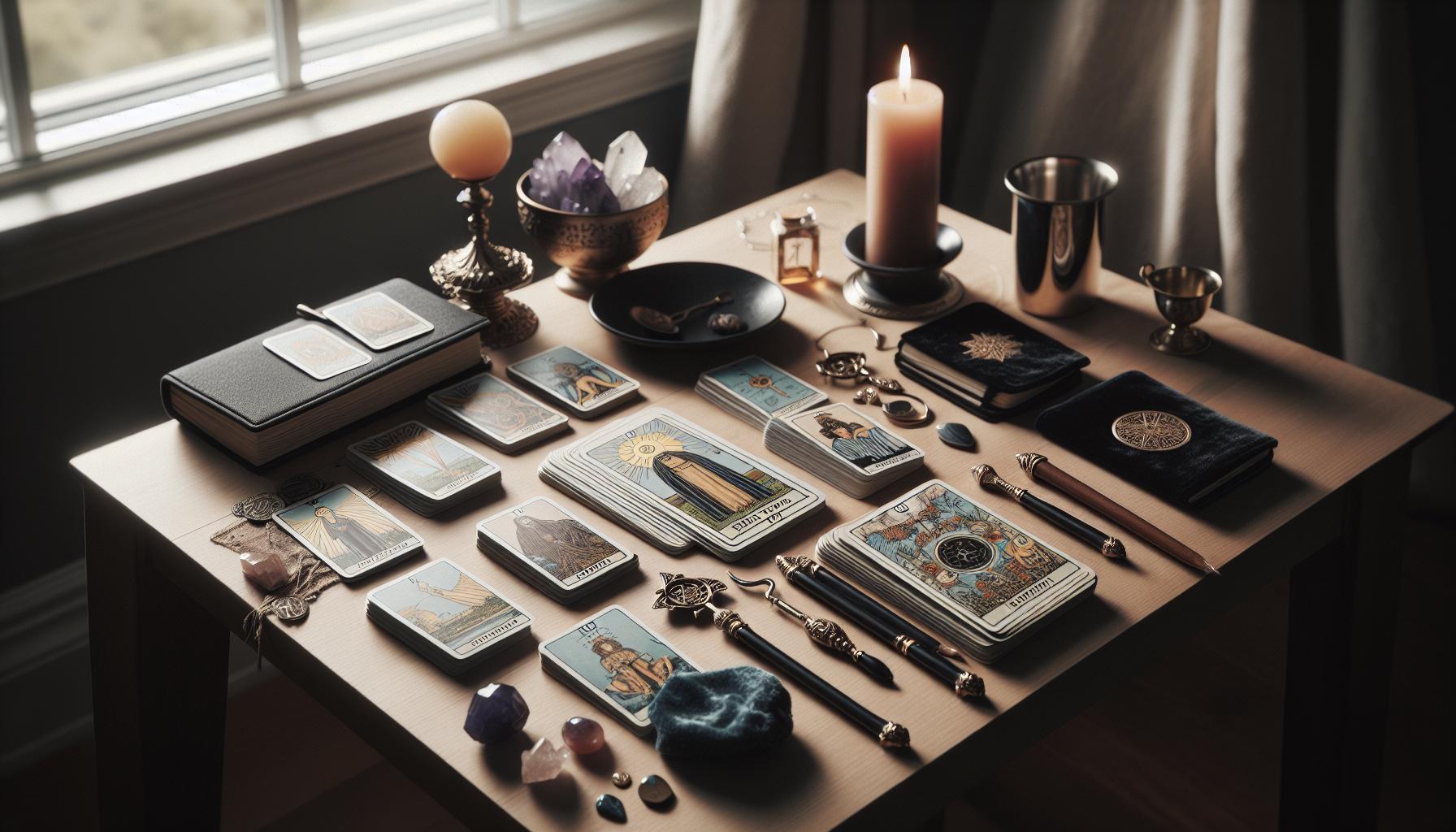
How Tarot Readings Work: The Process Explained
The experience of a tarot reading can feel both mystical and deeply personal, as it taps into the intuitive energies surrounding us. At its core, the process begins with the querent-this is you or anyone seeking insight-formulating a question or focusing on a specific area of concern. This could range from love and relationships to career decisions or personal growth. The clarity of your question often shapes the guidance the cards provide.
Once your intention is set, the next step is to shuffle the cards. This act not only energizes the deck with your unique vibrations but also creates a connection between you and the cards. There are various ways to shuffle, so choose a method that feels comfortable, whether it’s simple overhand shuffling or a more involved method like the riffle shuffle. After shuffling, draw the cards. Depending on the spread chosen-a layout determining how cards are interpreted-you may select anywhere from a single card to several positions across the table.
Understanding Card Positions
Each card drawn represents a particular aspect of your question or influence on your life. For example, if using a three-card spread, it might symbolize the past, present, and future related to your query. Here’s how a three-card spread works:
- First Card: Represents the past influences that have led to the current situation.
- Second Card: Reflects the present atmosphere and the choices currently available.
- Third Card: Indicates potential outcomes or future directions based on your current path.
After placing the cards, the reader interprets them based on their upright or reversed positions, their collective meanings, and the specific question asked. A card like The Lovers, for instance, could indicate a choice in a relationship, while the Nine of Swords might reveal anxiety related to that choice.
Engaging with Your Reading
The last part of the process is reflection. Each card holds multiple meanings and can resonate with you in unique ways. Take your time to journal or meditate on the insights gained. This reflective practice helps integrate the information into your life, empowering you to make decisions aligned with your intuition.
By understanding these steps, you’re well-equipped to traverse the intriguing world of tarot readings. Whether you approach it with a skeptic’s curiosity or a believer’s enthusiasm, this practice offers a profound path toward self-discovery and clarity. Embrace the experience; every reading is a personal journey that reveals the depths of your intuition and the wisdom of the universe.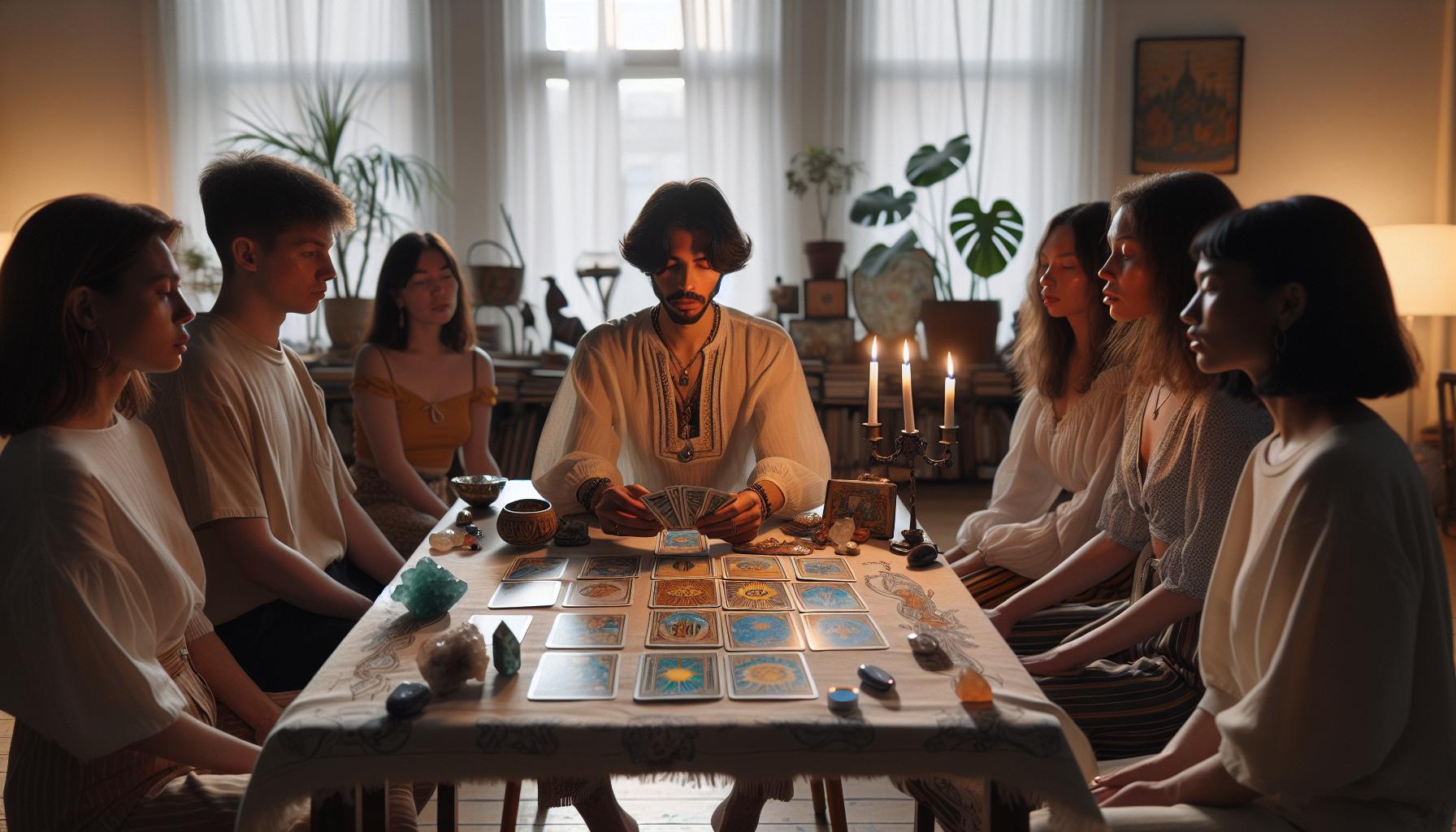
Different Types of Tarot Readings You Can Try
Exploring the different types of tarot readings can enhance your understanding of how this mystical tool can inform various aspects of your life. Each method serves a unique purpose, allowing you to tailor your experience to fit your specific inquiries or emotional states. Whether you’re a novice or more seasoned in the tarot world, there’s a reading style for everyone.
One popular approach is the Single Card Reading. This is ideal for quick insights or when you’re seeking clarity on a specific question. You simply shuffle the deck and draw one card, allowing it to represent the answer to your question or the primary influence at that moment. For example, drawing the Ace of Cups might signify new emotional beginnings or creative opportunities.
Another common method is the Three-Card Spread. This versatile spread can reflect past, present, and future energies regarding a situation. The first card addresses underlying influences, the second focuses on your current circumstances, and the third suggests potential outcomes. If, for instance, you draw The Tower for the past, The Chariot for the present, and The Sun for the future, it indicates a challenging past, a drive towards victory, and an optimistic resolution ahead.
For those looking for deeper insights, the Celtic Cross spread offers a more comprehensive analysis. This ten-card reading dives into various facets of a situation, such as your motivations, external influences, and potential outcomes. It’s especially useful for complex issues where multiple factors are at play.
Advanced Techniques
As you become more comfortable with tarot, you might explore advanced readings like Astrological tarot or Relationship readings. Astrology can be woven into tarot to analyze how planetary positions might influence your life and decisions, providing a cosmic perspective on the cards. Relationship readings focus on understanding dynamics between individuals, offering insights into compatibility and emotional landscapes.
Ultimately, each type of tarot reading invites you to reflect and connect with your intuition more deeply. Don’t hesitate to mix and match methods as you grow in your practice; the flexibility of tarot means you can customize your experience to resonate with your current needs and questions. Embrace the journey, knowing that each reading is a step toward greater self-awareness and enlightenment.
Setting Intentions for Your Tarot Reading
Setting clear intentions before your tarot reading can significantly enhance the experience, allowing you to focus your energy and open yourself to deeper insights. Intentions serve as a guiding light, helping you articulate what you truly seek guidance about. Whether you’re looking to understand a particular situation, gain clarity on a decision, or explore your emotional landscape, stating your intentions can steer the reading towards relevant interpretations.
Begin by taking a moment to center yourself. This can be as simple as taking a few deep breaths or engaging in a short meditation. Grounding your energy sets a positive tone for your reading. Once you feel settled, think about the questions or themes you wish to explore. Writing these down can be beneficial, as it formalizes the intention and allows you to reference it during the reading. You might consider framing your questions in an open-ended manner, such as “What do I need to know about my current relationship?” or “How can I best navigate my career path?”
As you begin your reading, hold your intentions in your mind. This mental focus will help you interpret the cards in relation to your specific queries. Remember, tarot is not a precise science but rather a reflective tool. If a card’s meaning feels relevant to your situation, trust your intuition. For example, if you draw The Empress, typically associated with fertility and nurturing, reflect on how this embodies your desires for growth or care in your life, whether it’s about a project, a relationship, or self-care.
Lastly, remain open to whatever unfolds. Sometimes, the insights gained may not directly answer your question but can lead to valuable realizations about your path. Embrace this process with curiosity and trust that the universe has a way of revealing what you need to know. Setting intentions transforms your tarot practice from a casual exercise into a profound journey of self-discovery and empowerment, ultimately allowing you to derive maximum benefit from each card drawn.
What to Expect in Your First Tarot Reading
The first time you experience a tarot reading can be both exhilarating and a bit daunting. Many people approach their first reading with a mix of curiosity and apprehension, wondering what to expect and how the cards will speak to them. It’s essential to understand that tarot is not about predicting an unchangeable future, but rather about providing insights and reflections that can help you navigate your current circumstances.
When you sit down for your reading, trust that you are entering a sacred space of guidance and exploration. Whether you are receiving the reading from a professional tarot reader or doing it for yourself, begin by grounding yourself with deep breaths. Hold your intentions and questions in your heart as the cards are shuffled and laid out. You might encounter various spreads; each spread serves a different purpose. For example, a simple three-card spread can illuminate your past, present, and future in relation to your question, while a more complex Celtic Cross spread offers a deeper dive into various influences surrounding your situation.
As the cards are revealed, pay attention to your immediate feelings and thoughts regarding each card drawn. Each card holds specific meanings, but your intuition is a powerful guide. For instance, if you draw The Tower, often associated with upheaval, reflect on how this may symbolize necessary change in your life rather than solely focusing on negative outcomes. A reading is a dialogue; be open to interpreting the cards collectively as well as individually, allowing them to weave a narrative that resonates with your inner self.
Expect openness and curiosity to enhance your experience. Tarot readings can sometimes lead to surprising insights that may not seem related to your original question but can shift your perspective in significant ways. Embrace the opportunity to reflect deeply on these messages; it might just open the doorway to self-discovery or clarify a path you hadn’t considered before. Through this process, you’ll not only learn about the cards but also about yourself, fostering a deeper connection to your intuition and the wisdom that resides within you.
Common Tarot Spreads and Their Purposes
When you embark on a tarot reading journey, choosing the right spread can guide the inquiry and enhance your understanding of the situation at hand. A tarot spread is simply the layout in which the cards are placed, and each configuration serves a unique purpose, allowing you to explore various aspects of life, thoughts, and emotions.
Popular Tarot Spreads
- Three-Card Spread: This straightforward spread is perfect for beginners. It typically explores the past, present, and future relating to a specific question. For example, you might draw a card for past influences, one for your current situation, and a third for potential outcomes. This spread provides a clear narrative arc and is easy to interpret.
- Celtic Cross Spread: A more complex layout consisting of ten cards, the Celtic Cross offers a deep dive into various influences surrounding your query. Cards represent different aspects, such as your current challenge, what’s crossing you, your foundational influences, recent past, and immediate future. This spread can reveal intricate details about your circumstances, helping illuminate hidden factors at play.
- Relationship Spread: If you’re seeking insights into a romantic partnership, this spread focuses on the dynamics between two people. It assesses individual feelings, mutual emotions, and the potential future of the relationship. It can help clarify misunderstandings and highlight areas that require attention.
- Career Spread: Tailored for professional inquiries, this spread addresses factors influencing your work life. It might include positions for current job satisfaction, obstacles, potential opportunities, and the best approach moving forward. This spread is instrumental in guiding career decisions and growth.
Choosing the Right Spread
Selecting a spread should align with your inquiry’s focus. Consider the complexity of the questions you have. For straightforward queries, a simple three-card spread suffices. When the situation feels multifaceted and layered, opt for a more intricate version like the Celtic Cross. Paying attention to your intention during the reading process can profoundly influence your experience and outcome.
When reading the cards in any spread, engage with your intuition-let the imagery and symbolism speak to you. Each card has a general meaning, but your personal associations play a vital role in crafting a narrative. Whether you are a seasoned reader or just starting, remember: the goal of each spread is not just to predict the future, but to spark self-reflection, inspire personal growth, and offer clarity on your path ahead.
Interpreting Tarot Cards: Key Meanings and Symbols
To truly harness the power of tarot, understanding how to interpret the cards is essential. Each card within the tarot deck is rich with meaning, symbolism, and emotional depth, helping to create a tapestry of insight tailored to your inquiries. For beginners, starting with the major arcana cards is a great way to connect with overarching themes and experiences, as these cards often address significant life events and spiritual lessons. For instance, The Fool signifies new beginnings and adventures, while The Tower can represent upheaval and unexpected change.
When you pull a card, consider its imagery and keywords. The imagery often conveys emotions and narratives that resonate on a personal level. For example, The Lovers card can symbolize love and connection but may also reflect choices and duality in relationships. Always ask yourself how the imagery aligns with your question and personal experiences.
Key Meanings of Common Tarot Cards
- The Magician: Manifestation, resourcefulness, power.
- The High Priestess: Intuition, unconscious knowledge, mystery.
- Death: Transformation, endings, change (not necessarily negative).
- The Sun: Joy, success, positivity, vitality.
Interpreting multiple cards in a spread requires an understanding of how their meanings interact. For instance, if you draw The Fool followed by The Devil, it might suggest that while you’re ready to take a leap of faith, there may be underlying fears or temptations that could hold you back. This interplay offers a deeper, more nuanced understanding of your situation.
Always remember that tarot is not just about memorizing meanings but about developing a dialogue with your intuition. Trust in your ability to find connections between the cards and your life. As you gain experience, consider expanding your readings to include reversed cards, which can convey an additional layer of meaning, often highlighting internal challenges or aspects that need attention. As you journey through the tarot, allow your interpretations to evolve, embracing the magic and mystery it brings to your life.
Tips for Reading Tarot for Yourself
Reading tarot for yourself can be an incredibly rewarding experience that taps into your intuition and personal insights. Start by creating a calming space that invites reflection. This could mean lighting a candle, playing soft music, or simply sitting in a comfortable chair surrounded by things that inspire you spiritually. Grounding yourself before a reading can clear mental clutter, allowing the messages of the cards to come through more clearly.
When selecting your cards, focus on your question or the area of your life you seek guidance on. It’s best to keep your question open-ended rather than asking for a simple yes or no. For instance, instead of asking, “Will I get the job?” try “What should I focus on during my job search?” This openness invites more nuanced insights. Shuffle your deck with intention, thinking about your question, and when you’re ready, draw your cards. Take note of both the images and the emotions they evoke within you. Your personal reactions to the cards are as significant as their traditional meanings.
Simple Card Spread for Self-Reading
Utilize a three-card spread to explore your situation further:
- Card 1: Represents your current situation.
- Card 2: Reflects the challenges or obstacles you may face.
- Card 3: Offers advice or a potential outcome.
After drawing and interpreting your cards, take a moment to journal about your reflections. Writing down your insights can help solidify the messages you’ve received and provides a reference for future readings. Consider the feelings each card invokes and how they connect to your life experiences.
Lastly, embrace the process with curiosity rather than pressure. Don’t feel the need to achieve perfection in your readings; every session is a chance to learn about yourself and develop your intuitive abilities. As you practice, you’ll discover your unique method of connecting with the cards and gain deeper insights into your journey. Remember, the most important aspect of tarot is not merely the cards themselves, but the personal dialogue they inspire within you.
Navigating Skepticism: Embracing Tarot’s Mystique
Opening yourself to the world of tarot can be a transformative experience, yet it often invites skepticism and doubt. Many people wonder what tarot truly represents: is it a mystical art, a psychological tool, or mere fortune-telling? The beauty of tarot lies in its multifaceted nature, providing something unique for everyone, regardless of their beliefs. By embracing its mystique rather than shying away from it, you can unlock deeper insights and a richer connection to your intuition.
It’s essential to approach tarot with an open mind. Think of tarot as a mirror, reflecting your inner landscape rather than predicting the future with absolute certainty. Each card drawn tells a story and provides guidance on your current path, but the interpretation of those cards is a collaborative process between you and the deck. This perspective allows skeptics to view tarot as a form of introspection rather than a definitive fortune-telling tool. For example, if you pull the Tower card, it might evoke feelings of upheaval or change. Instead of fearing it as a bad omen, consider what aspects of your life could be shifting or require your attention.
Creating a welcoming environment for your readings can also bridge the gap between skepticism and understanding. Set up a space that invites reflection and comfort-perhaps with candles, soft lighting, or calming music. When you’re at ease, your analytical mind softens, allowing deeper insights to surface. Share your experiences openly, whether skeptical or enthusiastic, as this dialogue can enrich your practice. Invite others who may be unsure about tarot to join you; seeing the cards in action might help dismantle preconceived notions and promote a more balanced view.
Finally, remember that it’s natural to question and explore this art. Embrace your skepticism as part of your journey. As you engage with the cards and reflect on their messages, you’ll cultivate your intuitive abilities and develop a personal, meaningful relationship with tarot. Invite curiosity over doubt, and watch how the cards reveal not just answers, but new questions that lead you toward greater self-discovery.
Enhancing Your Tarot Practice with Meditation
Meditation offers a profound way to deepen your connection with tarot, enriching both your practice and your personal growth. By setting aside time to meditate, you create a mental space that fosters clarity and receptivity, enabling more intuitive and insightful readings. Closing your eyes and breathing deeply can help quiet the mind and open your heart to the messages within the cards. Consider this: when you meditate before a reading, you are essentially tuning into your own inner wisdom, allowing you to approach the cards with openness and a fresh perspective.
To integrate meditation into your tarot practice, start with a simple routine. Find a quiet place where you feel comfortable and safe. Sit or lie down, and take a moment to ground yourself. Focus on your breath-inhale deeply through your nose, hold it for a moment, and then exhale slowly through your mouth. As you breathe, visualize a calming light surrounding you, protecting and guiding you. This light can symbolize your intention for the reading, whether it’s clarity, guidance, or insight. Once you feel centered, consider reflecting on the specific question or topic you’d like to explore during your tarot session.
Types of Meditations to Enhance Your Tarot Readings
There are various meditation techniques you can employ, each designed to elevate your tarot practice:
- Mindfulness Meditation: Focus on being present. Observe your thoughts, feelings, and sensations without judgment. This practice helps you to clear your mind, making space for new insights from the tarot.
- Guided Visualization: Use a guided meditation that incorporates tarot imagery. Visualize each card and allow the symbolism to resonate deeply within you.
- Chakra Meditation: Aligning your chakras can enhance intuition. Focus on each energy center, particularly the third eye (Ajna), encouraging a stronger intuitive connection during your readings.
By incorporating meditation into your tarot practice, you cultivate a deeper understanding of yourself and the messages you receive. Regular meditation not only enhances intuition but also builds a solid foundation for your interpretations, making your readings more enriching and relevant.
In addition to personal meditation practices, consider meditating with your tarot cards directly. Spend time simply holding your deck, feeling its energy, and allowing insights to flow. As you shuffle and draw cards, reflect on any sensations, emotions, or thoughts that arise. This practice can help you internalize the meanings of the cards more deeply, enriching your readings with personal significance.
By marrying meditation with your tarot practice, you embrace a holistic approach to self-discovery. This connection fosters a meaningful dialogue between you and the cards, inviting you to explore not just the answers they provide, but also the questions that lead to greater understanding.
Developing Your Intuitive Skills Through Tarot
Unlocking your intuitive skills through tarot can be a deeply transformative journey. Many people approach tarot with a mix of curiosity and skepticism, but the truth is that tarot is accessible to everyone, regardless of their background. Each card in the deck resonates with fundamental human experiences, offering insights that tap into our collective consciousness. As you learn to read the cards, you will not only uncover the messages they hold but also strengthen your own intuitive abilities, allowing you to make more meaningful connections with the cards and the guidance they provide.
To start developing your intuition, begin with a simple practice of daily card draws. Each morning, pull a card from your deck and take a moment to reflect on its imagery and symbolism. What feelings does the card evoke? How does it relate to your day ahead? Keeping a tarot journal can be immensely helpful; write down your interpretations and any intuitive nudges you experience. Over time, you’ll notice patterns and themes emerging that deepen your understanding of both the cards and your intuitive responses.
Another effective technique is to engage with the cards outside of traditional readings. Spend time simply holding your deck, letting your fingers graze over the cards. As you shuffle, pay attention to any sensations or emotions that arise. You may notice particular cards pulling at your attention or prompting thoughts. This physical interaction fosters an energetic connection, allowing your intuition to guide you more freely.
Lastly, don’t be afraid to ask questions while you read. When presented with a card, sit with it and inquire about its relevance to your life or situation. The more you dialogue with your cards, the more intuitively you’ll engage with them. Over time, these practices will empower you, enhancing not only your readings but also your personal growth and understanding of the world around you. In this nurturing space of exploration and discovery, we can all embrace our intuitive gifts and allow them to unfold effortlessly.
Faq
Q: What types of questions can I ask during a Tarot reading?
A: You can ask about *any aspect of life* during a Tarot reading, including relationships, career, personal growth, and health. It’s best to focus on *open-ended questions* that allow insights rather than just yes/no inquiries. This approach can yield a more meaningful interpretation of the cards’ messages.
Q: How can I prepare for my first Tarot reading?
A: To prepare for your first Tarot reading, *set clear intentions* about what you wish to gain from the experience. Reflect on your questions beforehand, and consider creating a calm environment by relaxing and meditating. This preparation can enhance your connection with the tarot and provide clearer insights.
Q: Can Tarot readings predict the future?
A: Tarot readings *do not predict the future* with certainty; instead, they offer guidance on potential outcomes based on your current path. The cards reflect energies and influences, allowing you to make informed decisions that can alter future events.
Q: What is the significance of Tarot spreads?
A: Tarot spreads are specific layouts of cards used in readings, each serving a distinct purpose. They help to *organize insights* and provide clarity on your questions. Common spreads, like the three-card spread or Celtic cross, guide interpreters in understanding the narrative presented by the cards.
Q: How often should I have Tarot readings?
A: The frequency of Tarot readings depends on your personal needs and circumstances. Many find it beneficial to have readings *monthly or seasonally* for reflection and guidance. However, consult the cards whenever you encounter significant changes or decisions, ensuring each reading feels relevant and impactful.
Q: Can I use Tarot for decision-making?
A: Yes, Tarot can be a powerful tool for decision-making by providing clarity on your options. The cards can reveal underlying emotions and influences related to your choices, allowing you to explore different perspectives. Always use your intuition alongside the insights revealed.
Q: Is it necessary to have a Tarot reader for a reading?
A: While a Tarot reader offers expertise in interpretation, *self-readings are also effective.* With practice, you can develop your intuition and understand card meanings on a personal level. Start with beginner-friendly methods and gradually deepen your practice for insightful self-readings.
Q: What should I do after a Tarot reading?
A: After a Tarot reading, *reflect on the insights* and feelings that arose during your session. Journaling your thoughts can help you integrate the messages into your life. Consider taking actionable steps based on the guidance received and remain open to revisiting the themes over time.
Future Outlook
Now that you understand what a Tarot reading is and how it works, you’re well-equipped to explore this mystical journey further. Remember, Tarot isn’t just a tool for divination; it’s a means of self-reflection and empowerment. By engaging with the cards, you unlock deeper insights into your life and emotions. If you’re curious to learn more, check out our guide on how to interpret Tarot spreads or explore various readings and reports that can provide further clarity.
Take the next step in your Tarot journey today by signing up for our newsletter for tips and exclusive insights. Don’t hesitate-your intuitive path awaits! And remember, whether you’re a beginner just starting or someone looking to refine their skills, every reading is a chance to connect more deeply with your inner self. If you have questions or want to share your experiences, drop a comment below or connect with our community; we’re here to support you!
Get our latest guides, news, and insights highlighted in your Google Search & AI Overviews.